Air Flow Meter Technology Specializations in a Factory
Defining the Core Sensing Technologies
An air flow meter factory typically develops its expertise around one or more fundamental physical principles used to measure airflow. The choice of technology dictates the meter’s accuracy, response time, durability, and suitable applications. The specialization of the factory is defined by its mastery of the specific manufacturing processes, calibration equipment, and quality controls required for its chosen technology type, whether for automotive engines, industrial processes, or HVAC systems.
Hot-Wire / Hot-Film Air Flow Meters
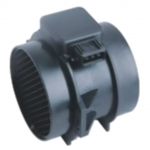
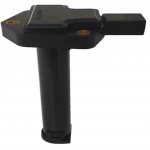
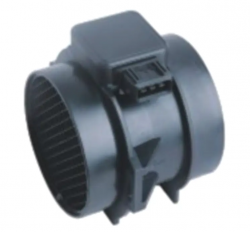
This is the dominant technology in modern automotive applications. A factory specializing in this type focuses on precision microfabrication. The core element is a thin, electrically heated wire or film placed in the air stream. As air flows, it cools the element, changing its resistance. The electronic control circuit adjusts the current to maintain a constant temperature; this current change is proportional to the mass air flow. An air flow meter factory in this field excels at producing the delicate sensing elements, assembling contamination-resistant housings, and performing precise electronic calibration. This technology is known for its fast response and ability to measure mass flow directly.
Vane-Type (Vane Air Flow Meter)
This is a traditional mechanical technology. A factory producing these specializes in precision mechanical assemblies. A spring-loaded flap (vane) is positioned in the intake stream. Airflow pushes the vane open, and its angular position is measured by a potentiometer. While largely superseded by hot-wire sensors in new automotive designs due to airflow restriction and slower response, an air flow meter factory may still produce these for legacy vehicle service parts or specific industrial applications where simplicity is valued.