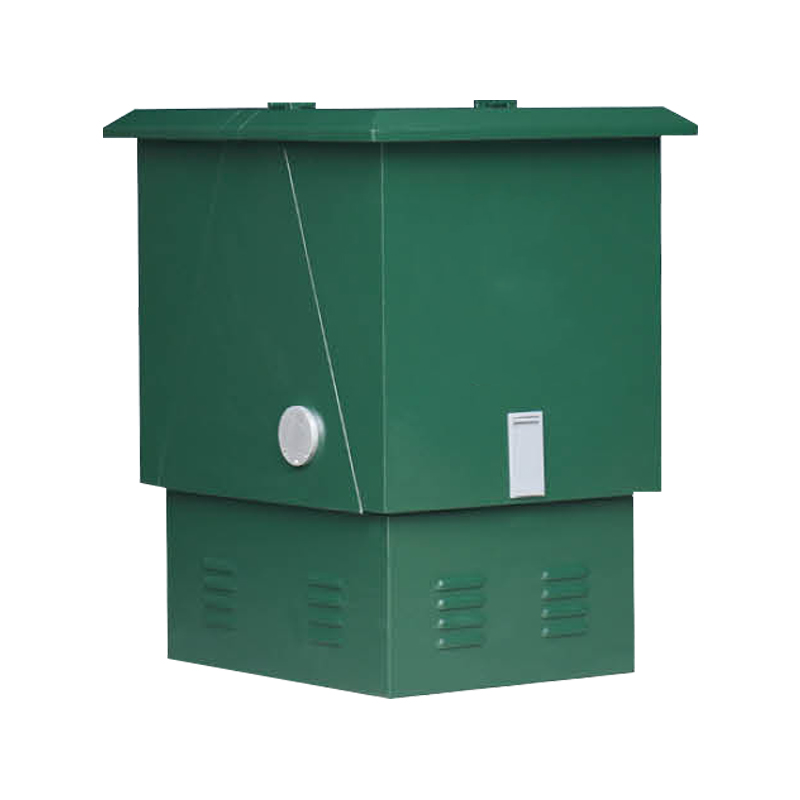
European Style Fully Insulated Ring Network Cable Branch Boxes: Where Insulation Is the Enclosure
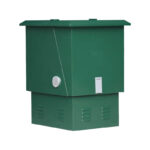
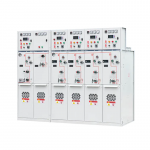
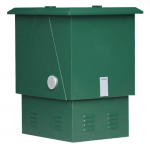
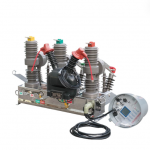
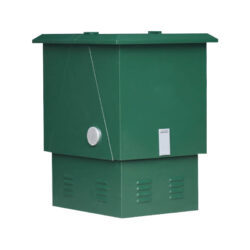
European style fully insulated ring network cable branch boxes are medium-voltage distribution components that split a ring main cable into multiple circuits without exposing live parts. The “fully insulated” designation means the live components are enclosed in solid insulation rather than air, and that design choice determines the box’s size, its safety characteristics, and its installation requirements.
The solid insulation is the defining feature. In an air-insulated box, the live parts are separated by air gaps and the enclosure provides the protection. In a fully insulated box, the live parts are encapsulated in epoxy or a similar material, and the insulation itself provides the dielectric strength. This allows the box to be smaller and to be installed in locations where an air-insulated box would not fit. The insulation must be free of voids and contaminants, because a void within the solid insulation can lead to a partial discharge and eventually to a failure. Factories that control the casting or the molding of the insulation and that test for voids produce boxes that hold their dielectric strength.
The cable termination is the second critical element. The cables must be connected to the box’s busbars without compromising the insulation. The termination must be designed for the cable type and the voltage, and it must be sealed against moisture. A termination that is not sealed allows water to reach the insulation, which degrades it over time. Factories that design the termination as part of the insulated system produce boxes that maintain their integrity.
The ring switch and the branch switch must be operable from outside the insulation. The operating mechanism must penetrate the insulation without creating a path for moisture or a partial discharge. Factories that design the mechanism and the insulation together produce boxes that are safe to operate.
The enclosure provides mechanical protection and environmental sealing, but it does not provide the dielectric strength. The enclosure must resist impact and corrosion, and it must allow access for maintenance without exposing live parts. Factories that design the enclosure for the installation environment produce boxes that last.
The testing must cover the insulation and the termination. A box that passes a dielectric test when new may fail after the insulation absorbs moisture. Factories that test the box after the termination is installed and that verify the sealing produce boxes that utilities can trust.
The market implication is that European style fully insulated ring network cable branch boxes compete on insulation quality and termination sealing rather than on the enclosure size alone. Utilities need the box to hold its dielectric strength for the life of the installation. Factories that treat the insulation and the termination as connected design requirements are better positioned than those that treat the enclosure as the primary product.