Fast Drying Resin and Epoxy Hardener: Improving Performance in Industrial Coatings
In the paints, coatings, and industrial manufacturing sectors, choosing the right resin is essential for achieving a durable finish, consistent quality, and efficient production. Manufacturers need materials that offer suitable drying times, hardness, adhesion, gloss, and resistance to environmental conditions. Selecting the right resin chemistry can help meet these requirements while supporting the performance expectations of the final product.
NirGlobal, also known as National Industrial Resin Company Limited, is a resin manufacturer based in Jeddah, Saudi Arabia. The company supplies resin solutions for paint, coating, and industrial applications, including short oil alkyd resin and styranated alkyd resin. Understanding these materials can help manufacturers identify suitable options for their coating formulations.
What Is Fast Drying Resin?
A fast drying resin is a resin formulated to help a coating form a dry film within a relatively short period under specified conditions. Drying performance depends on the resin chemistry, coating formulation, film thickness, temperature, humidity, airflow, and application method.
Fast-drying formulations are valuable in manufacturing environments where reduced waiting times can improve workflow and help products move through production more efficiently.
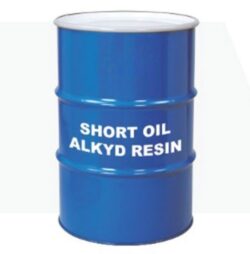
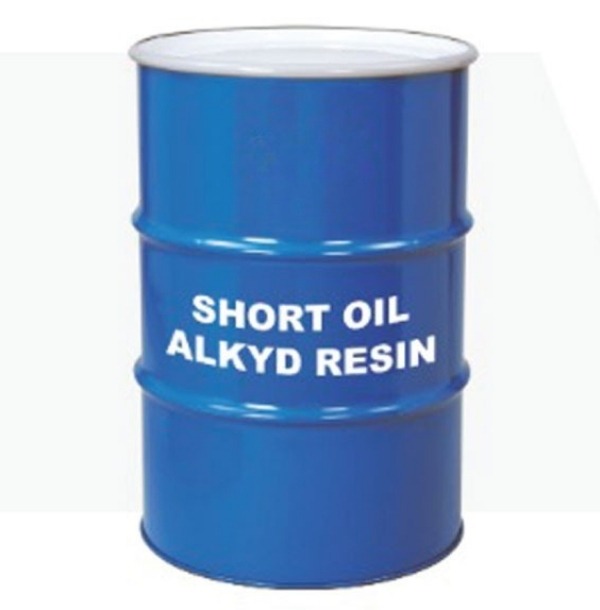
Short oil alkyd resins are commonly used in industrial coatings that require hardness, gloss, and chemical resistance. NirGlobal’s Short Oil Alkyd Resin is designed for applications such as baking enamels, industrial coatings, and metal finishes. Its listed properties include fast drying, good hardness, flexibility, and resistance to yellowing.
Benefits of Fast Drying Resin
1. Improved production efficiency
When a coating dries within the required timeframe, manufacturers may be able to reduce waiting periods between production stages. The actual improvement depends on the formulation and process conditions.
2. Hardness and durability
The appropriate resin can help a coating develop the hardness and durability needed for its intended environment. These properties are particularly important for industrial surfaces exposed to handling, wear, and routine use.
3. Attractive surface finish
Resin selection influences gloss, smoothness, adhesion, and film formation. Choosing a resin that suits the coating system can help manufacturers achieve a consistent finish.
4. Application flexibility
Different resin grades are developed for different coating needs. Manufacturers can select products based on whether their priorities include rapid drying, flexibility, gloss retention, or resistance to chemicals.
Understanding Short Oil Alkyd Resin
Short oil alkyd resin is a synthetic resin commonly used as a binder in industrial paints, enamels, and specialty coatings. Its relatively low oil content compared with medium and long oil alkyds influences its application characteristics and suitability for particular coating systems.
NirGlobal’s Short Oil Alkyd Resin is designed for applications where rapid drying, hardness, gloss, and chemical resistance are important.
Potential applications include:
-
Industrial and baking enamels
-
Metal finishing coatings
-
Automotive refinishing formulations
-
Furniture lacquers and finishes
-
High-gloss industrial paints
The most appropriate grade depends on the application method, curing conditions, substrate, and required film properties. Manufacturers should consult the relevant technical data sheet before selecting a resin for production.
What Is an Epoxy Hardener?
An epoxy hardener is a curing agent used in an epoxy coating or adhesive system. It reacts with a compatible epoxy resin to form a cross-linked structure, helping the material develop its final mechanical and chemical properties.
The type of hardener used can affect curing speed, adhesion, hardness, flexibility, chemical resistance, and performance under different environmental conditions. Selecting the right combination of epoxy resin and hardener is therefore essential.
It is important to distinguish epoxy hardeners from alkyd resins. Although both are used in coatings, they perform different chemical roles. An alkyd resin generally acts as a film-forming binder, while an epoxy hardener is a curing component designed for a compatible epoxy system.
NirGlobal’s linked product is Styranated Alkyd Resin, not an epoxy hardener. It is relevant to fast-drying coating applications but should not be treated as a direct substitute for a dedicated epoxy curing agent.
How Styranated Alkyd Resin Supports Coating Performance
Styranated alkyd resin is an alkyd resin modified with styrene. This modification can improve certain film properties, including drying speed, hardness, durability, and gloss retention.
NirGlobal’s Styranated Alkyd Resin is intended for decorative and industrial coatings where fast drying and a durable finish are desirable.
The product information identifies several key characteristics:
-
Fast drying with good gloss retention
-
Hardness and durability
-
Resistance to water, alkali, and certain chemicals
-
Adhesion to various substrates
-
Improved weathering and colour retention
Potential uses include decorative enamels, protective coatings, machinery paints, metal coatings, automotive refinishes, primers, and topcoats.
The actual performance of a finished coating will depend on the complete formulation, including pigments, additives, solvents, application conditions, and the selected substrate.
Choosing the Right Resin for Your Application
Selecting a resin should begin with a clear understanding of the coating’s purpose. A formulation intended for metal machinery may have different performance requirements from one designed for furniture, decorative finishes, or automotive refinishing.
Before choosing a product, manufacturers should consider the following factors.
Drying and Curing Requirements
Determine whether the coating needs to air-dry, undergo baking, or cure through a chemical reaction. Drying and curing are not always the same process, so technical specifications should be reviewed carefully.
Required Film Properties
Consider the necessary levels of hardness, flexibility, gloss, adhesion, chemical resistance, and weather resistance. No single resin is ideal for every application.
Compatibility With Other Materials
The resin must work with the other components in the formulation. Compatibility should be confirmed using product documentation and appropriate laboratory testing.
Operating Environment
Indoor decorative coatings, outdoor finishes, and industrial protective coatings can experience very different conditions. The intended environment should guide resin selection and testing.
Technical Documentation
Review the manufacturer’s Technical Data Sheet (TDS) and Safety Data Sheet (SDS). These documents provide information about product properties, recommended applications, handling precautions, storage, and processing requirements.
Why Consider NirGlobal for Resin Solutions?
NirGlobal provides resin products for paint and coating manufacturers, including short oil alkyd resin and styranated alkyd resin. Its product range supports different industrial and decorative coating requirements.
For manufacturers evaluating resin options, reviewing the company’s product specifications can help identify materials for further testing and formulation development.
Visit the NirGlobal website to explore its resin portfolio and request information about products suitable for your application. Confirm technical suitability, availability, and commercial terms directly with the supplier before placing an order.
Conclusion
Choosing the right resin is an important part of developing coatings that deliver the required appearance, durability, and production performance. A fast drying resin can help manufacturers improve workflow, while short oil alkyd and styranated alkyd resins offer useful properties for selected industrial and decorative coating applications.
An epoxy hardener serves a different purpose by chemically curing compatible epoxy resin systems. Understanding this distinction helps manufacturers choose materials based on the correct chemistry rather than relying on similar performance descriptions alone.
By reviewing technical documentation, evaluating application requirements, and testing formulations carefully, manufacturers can make informed material-selection decisions. NirGlobal’s resin portfolio offers options worth exploring for coating applications that require specific drying, hardness, gloss, and durability characteristics.
Frequently Asked Questions (FAQs)1. What is a fast drying resin used for?
Fast drying resins are used in coatings and finishes where reduced drying time is important. Depending on the resin type, applications may include industrial paints, metal finishes, enamels, primers, and furniture coatings.
2. What are the benefits of fast drying resin?
Potential benefits include shorter production waiting times, efficient coating processes, and suitable film properties such as hardness, gloss, and adhesion. Results depend on the formulation and operating conditions.
3. What is an epoxy hardener?
An epoxy hardener is a curing agent that reacts with a compatible epoxy resin to create a hardened material. The correct hardener depends on the epoxy system and its intended application.
4. Is alkyd resin the same as epoxy hardener?
No. Alkyd resin is generally used as a film-forming binder in coatings, while an epoxy hardener reacts with epoxy resin to initiate or complete curing. They serve different purposes.
5. What is short oil alkyd resin used for?
Short oil alkyd resin is used in selected industrial coatings, enamels, metal finishes, and other formulations requiring properties such as hardness, gloss, and drying performance.
6. What is styranated alkyd resin?
Styranated alkyd resin is an alkyd resin modified with styrene. It is used in certain decorative and industrial coatings where rapid drying, hardness, durability, and gloss retention are important.
7. How do I choose the right resin?
Consider the substrate, application method, drying or curing conditions, required film properties, operating environment, and compatibility with other formulation components. Consult the product’s TDS and conduct suitable testing.
8. Where can I find NirGlobal’s resin products?
Visit NirGlobal to explore its products. You can also review its Short Oil Alkyd Resin and Styranated Alkyd Resin pages for product-specific information.