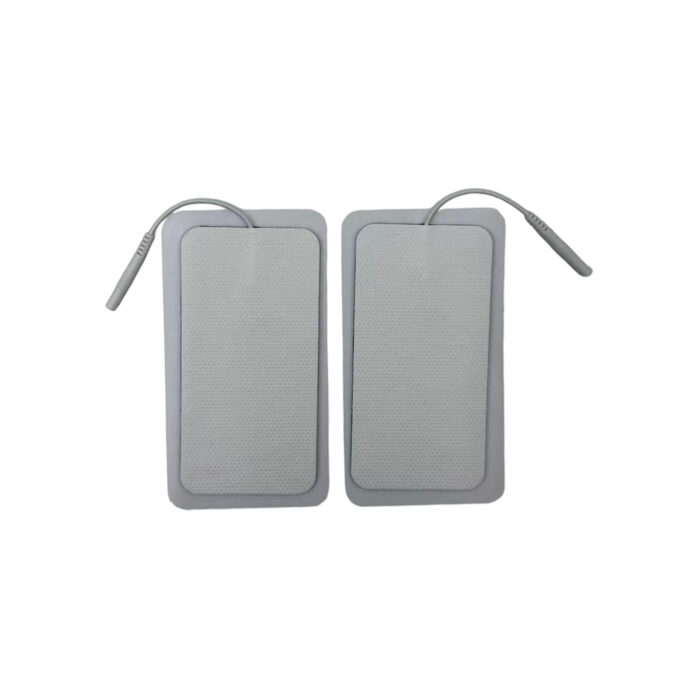
Physical Therapy Electrode: The Repeated-Cycle Contact Decides Steady Therapy Delivery
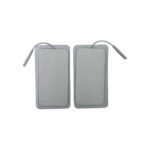
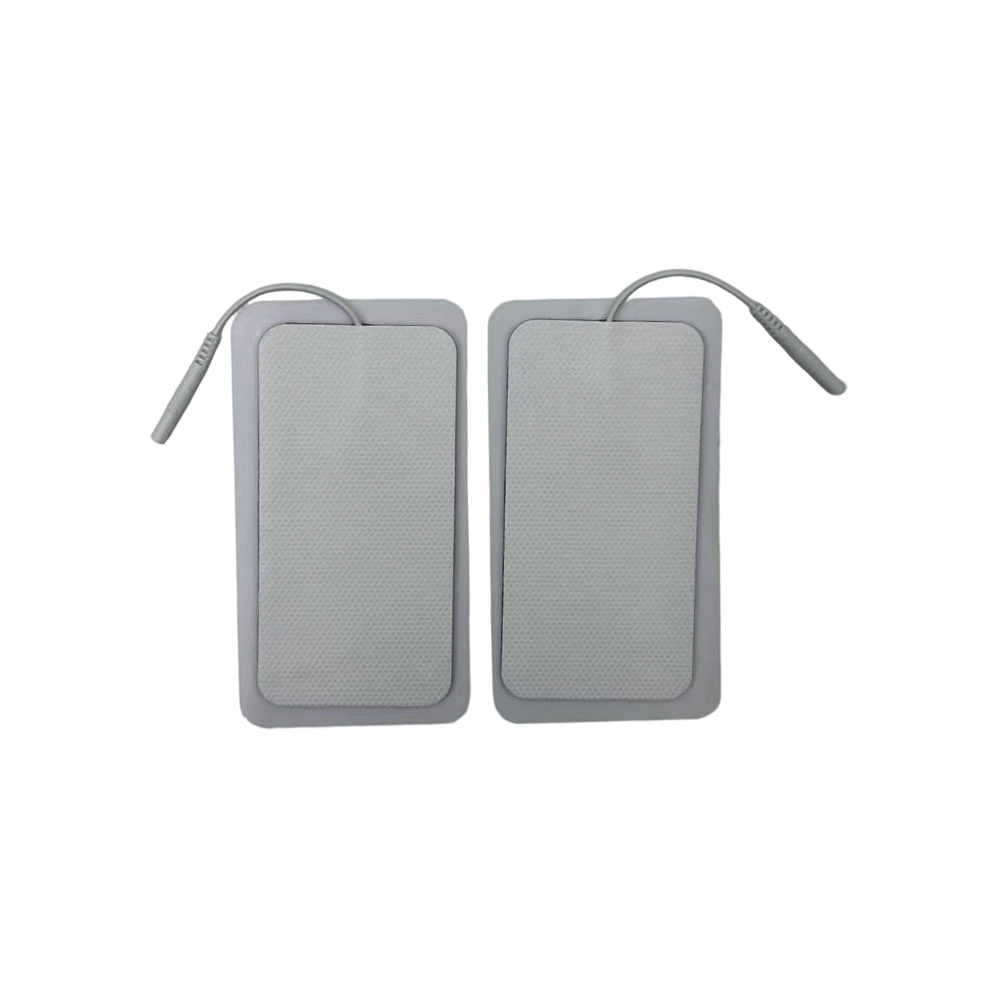
A physical therapy electrode is a pad applied to the skin over a treatment area to carry TENS, EMS, or other therapeutic current from the lead wire to the body, used in clinic sessions and home rehabilitation for pain relief and muscle stimulation. Buyers usually compare pad size, backing color, advertised gel brand, and the number of pads in a pack. The property that decides whether the electrode keeps a steady contact through a session and survives repeated uses without losing connection is the lead-interface grip and the gel’s cycle-to-cycle contact stability, and it is the detail most buyers overlook.
Connector grip holds the lead locked. The snap or pin where the lead meets the pad must seat firmly and stay engaged through movement, so the current path does not cut out when the patient shifts or the cable brushes against clothing. A loose connector drops contact mid-session and interrupts therapy; a firm, repeatable snap keeps the lead attached until deliberately removed.
Gel contact holds across repeated cycles. The conductive gel must keep its tack and conductivity use after use, retaining moisture so the pad does not dry out, harden, or leave patchy contact after several sessions. Gel that dries quickly shrinks the active contact area and causes uneven stimulation; gel that stays supple keeps the contact broad and steady over the pad’s service life.
Pad backing stretches and stays seated. The flexible backing must conform to the treatment site and hold the gel flat against skin during movement, without curling at the edges or lifting as the patient bends. A stiff backing peels away from a moving limb; a conformable pad keeps the whole contact area seated through the session.
Contact evenness and skin-friendly adhesion balance comfort. The active surface should conduct evenly across the pad, so stimulation spreads over the treatment area instead of concentrating at one point under the connector or at a lifted edge, and the bond to skin should hold securely without irritating the skin or leaving sticky residue after removal. Uneven contact produces sharp localized sensation; an aggressive adhesive irritates sensitive skin, while a weak one slips off during treatment.
Lead strain relief and storage protect the pad between uses. Where the wire exits the connector, the pad must flex with the cable so pulling does not tear the backing, lift the gel, or separate the connector, and the pad should come with a protective cover that keeps the gel from drying out and picking up lint between sessions. A rigid exit point wears a tear at the edge; a pad stored uncovered hardens and gathers dirt.
Batch consistency keeps every pad matching. Pads in a pack should repeat the same connector grip, gel suppleness, size, and adhesion one after another, so treatments use a dependable contact each time. Variable production leaves some pads gripping firmly and others loose or drying fast; controlled coating and final check keep the contact even across the batch.
Run a pad through several reuse cycles to judge real durability: snap the lead on and off repeatedly to confirm the grip stays firm, apply the pad to a moving or bent site and watch for edge lift, run a session and feel for any intermittent contact, remove the pad and check the skin for irritation or residue, re-cover the gel and store it, then repeat the next session to see whether the gel still lays flat and conducts evenly. These connector grip, gel cycle stability, backing conformity, contact evenness, skin-friendly adhesion, lead strain relief, storage protection, and batch uniformity qualities decide whether the physical therapy electrode delivers steady therapy over its life. A maker that locks the connector, keeps the gel supple across cycles, and backs the pad to conform sends out electrodes that stay in reliable contact; one that treats repeated-cycle contact and lead grip as secondary detail delivers pads that drop the lead, dry out after a few uses, curl at the edges, or irritate the skin.