STS prepayment electricity meter factory: How Product Tiers Shape Production Strategy
The prepayment metering market is not a single market. A STS prepayment electricity meter factory may serve rural electrification programs, urban apartment developments, industrial sub-metering, and utility-wide rollout contracts—and each of these segments places different demands on the same production floor. Understanding those differences is often what separates factories that win repeat orders from those that compete only on price.
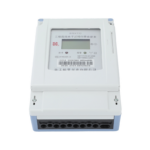
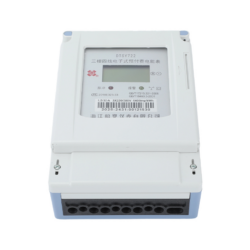
At the entry level, meters are typically single-phase, basic in function, and built to hit a cost target. These units still require STS compliance, but the design emphasizes simplicity: fewer communication options, simpler displays, and standardized enclosures. Production for this tier is volume-driven, and factories organize around automated calibration benches and fast assembly lines. Margins are thin, so any improvement in test throughput or reduction in rework translates directly into viability.
Mid-tier products add features that utilities request once basic prepayment is established. These may include keypad interfaces for manual token entry, load control relays, tamper detection, and sometimes PLC or RF communication for remote reading. Each added function increases the number of test points during production. A factory moving into this tier often finds that its calibration and functional test capacity becomes the bottleneck rather than assembly.
The upper tier includes meters with integrated communication modules, remote vending capability, and advanced data logging. These products sit closer to smart metering than to conventional prepayment, and they require firmware testing environments that simulate utility head-end systems. Factories serving this tier typically maintain separate engineering teams for hardware and firmware, and they invest in traceability systems that can support utility audits years after delivery.
Material selection varies across tiers as well. Entry-level enclosures may use general-purpose plastics, while higher tiers specify UV-stabilized materials and improved sealing for outdoor mounting. Terminal blocks, relays, and current sensors are similarly tiered. Factories that source across multiple tiers must manage approved vendor lists carefully, because a substitution acceptable in one tier may not be acceptable in another.