Automotive LPG Tanks and Bulk LPG Tanks Australia: A Practical Buyer’s Guide
LPG has been part of Australian life for decades. It powers vehicles, heats homes, runs commercial kitchens, fuels forklifts, and keeps remote properties supplied where mains gas is not available. Behind every one of those uses sits a pressure vessel that has to be strong, safe, and built for the job. Whether you are comparing automotive LPG tanks for a vehicle conversion or researching bulk LPG tanks Australia businesses and landowners depend on, understanding how these tanks differ will help you choose with confidence.
At Manchester Tank & Equipment, an Australian manufacturer of pressure vessels with our head office and main manufacturing facility in Echuca, Northern Victoria, we make gas storage solutions for commercial, industrial, and everyday applications across the country. This guide walks through the main tank types, what to consider before you buy, and how to keep your tank safe and reliable.
Why LPG Remains a Popular Choice in Australia
LPG, or liquefied petroleum gas, is valued for several reasons:
- Versatility: It can fuel vehicles, appliances, heaters, and industrial equipment.
- Portability and storage: It is stored as a liquid under moderate pressure, so a lot of energy fits into a compact tank.
- Availability: It is widely available across Australia, including areas without mains gas.
- Cleaner burning: It generally burns more cleanly than many other fuels.
- Cost flexibility: For many users, it offers an attractive alternative to petrol, diesel, or electricity.
Because LPG is stored under pressure, the quality of the tank matters enormously. A well-built tank protects people, property, and your investment.
Understanding Automotive LPG Tanks
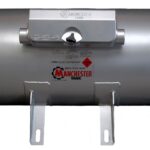
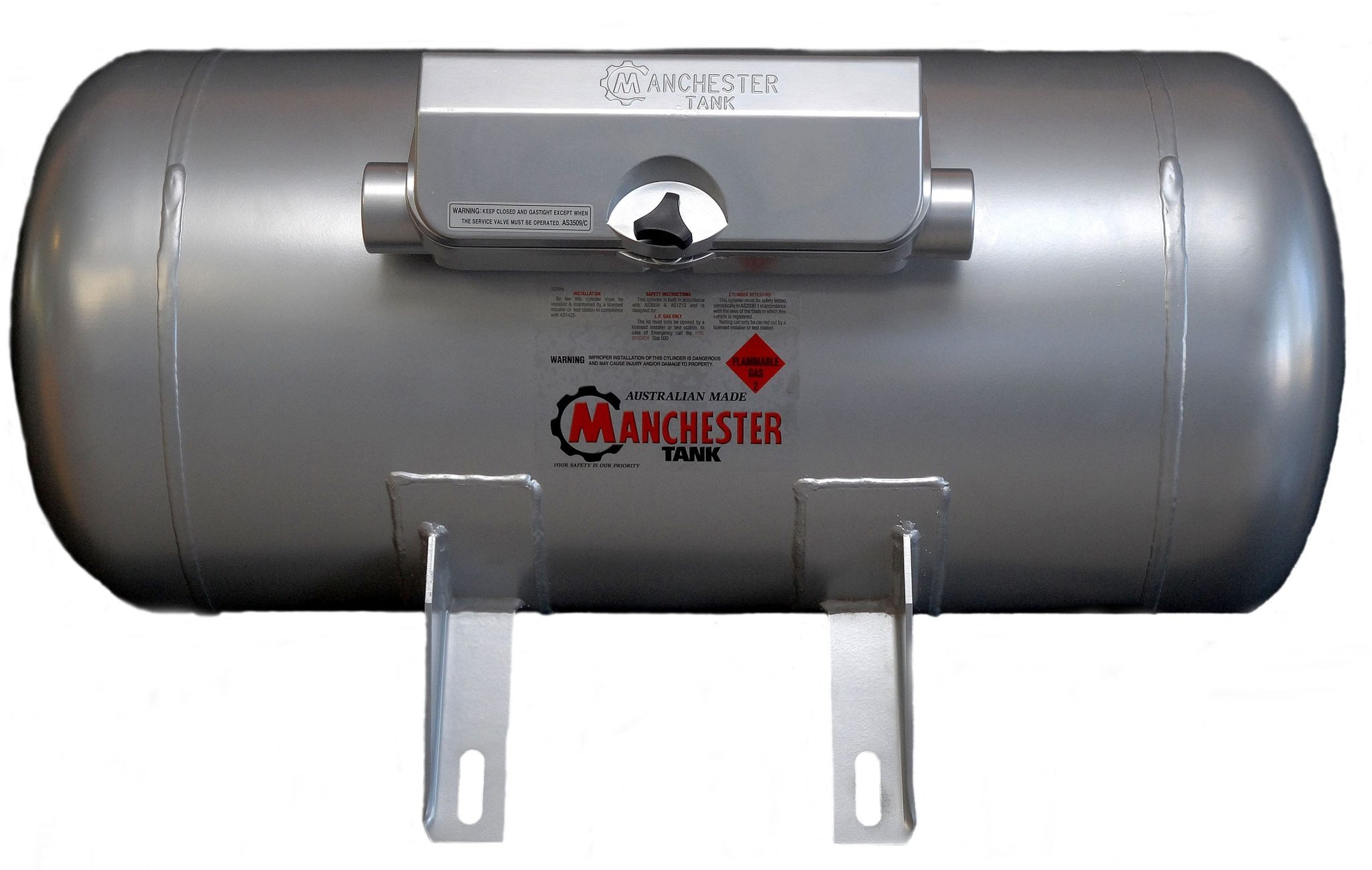
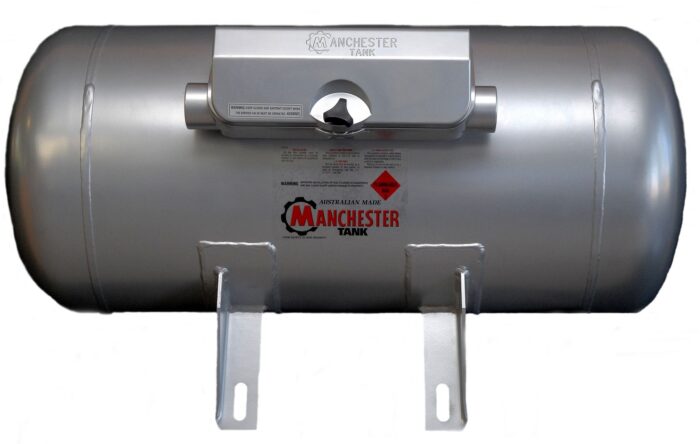
Automotive LPG tanks are designed specifically for fitting to vehicles. They store LPG safely under pressure and supply it to the engine through a gas system.
Key features of a good automotive tank include:
- Robust construction: Built to handle pressure, vibration, and the demands of road use.
- Suitable shape and size: Different vehicles need different tank formats, such as cylindrical tanks or ones designed to fit the spare wheel well.
- Safety fittings: Valves and relief devices that manage pressure and help protect against over-filling.
- Corrosion resistance: A durable finish keeps the tank in good condition under the vehicle or inside the boot.
- Compliance: Tanks must meet the relevant Australian standards and be installed correctly.
For drivers, the right tank balances capacity, fit, and safety. Larger tanks give more range, but they also need more space, so the choice depends on how you use your vehicle.
Who Uses Automotive LPG Tanks?
- Private motorists who want to lower running costs on regular driving.
- Fleet operators managing fuel budgets across multiple vehicles.
- Taxi and transport businesses that cover high kilometres.
- Tradespeople and work vehicles with predictable daily routes.
- Forklift and equipment operators who rely on LPG for indoor and outdoor use.
Understanding Bulk LPG Tanks
Bulk LPG tanks are larger fixed or semi-fixed storage vessels designed to hold substantial quantities of gas. They are installed on a property and refilled by a supplier on a regular schedule.
They are commonly used for:
- Homes and rural properties: Heating, hot water, and cooking where reticulated gas is unavailable.
- Farms and agricultural operations: Powering heaters, dryers, and equipment.
- Commercial kitchens and hospitality: Supplying high-demand cooking equipment.
- Industrial sites and workshops: Running machinery, furnaces, and process heating.
- Caravan parks, resorts, and accommodation: Providing a dependable gas supply for many users.
- Remote sites and construction projects: Delivering fuel where mains infrastructure does not reach.
The advantage of bulk storage is reliability. With a properly sized tank and a regular delivery schedule, you avoid frequent cylinder swaps and reduce the risk of running out.
Automotive vs Bulk LPG Tanks: Key Differences
Although both store LPG, they are built for very different jobs.
- Size: Automotive tanks are compact for vehicle fitting, while bulk tanks hold much larger volumes.
- Mobility: Automotive tanks travel with the vehicle, whereas bulk tanks are usually installed in a fixed position.
- Installation: Vehicle tanks must be fitted to the vehicle’s gas system, while bulk tanks need a suitable site, clearances, and compliant installation.
- Refilling: Vehicles refuel at LPG outlets, while bulk tanks are filled by tanker delivery.
- Application: One supports mobility, the other supports ongoing site supply.
What to Consider Before Buying
A few questions help you narrow down the right tank.
- What will it be used for? Vehicle fuel, heating, cooking, or industrial supply each have different needs.
- How much LPG do you use? Usage determines capacity and delivery frequency.
- Where will it be installed? Space, access, and safety clearances all matter.
- What standards apply? Ensure the tank meets Australian requirements for its type and use.
- Who is the manufacturer? Choose a supplier with a proven record in pressure vessel manufacturing.
- What support is available? Good suppliers can advise on sizing, fittings, and suitable options.
Safety and Maintenance Essentials
Pressure vessels demand respect. Following a few principles will keep your tank safe.
- Use licensed professionals for installation, repairs, and inspections.
- Follow testing and inspection schedules required for your tank type.
- Check for damage, such as dents, corrosion, or leaking fittings.
- Keep the area around bulk tanks clear of vegetation, debris, and ignition sources.
- Never modify or repair a tank yourself.
- Replace tanks that are damaged or out of compliance.
- Know the smell of LPG. If you suspect a leak, move away, avoid sparks or flames, and seek professional help.
Why Choose an Australian Manufacturer?
Buying from a local manufacturer gives you confidence in quality, standards compliance, and support. An Australian maker understands local regulations, climate, and usage conditions, and can offer practical advice that suits Australian customers. A focus on quality, safety, durability, and practical design means the product you receive is built for real-world use, not just to meet a price point.
Final Thoughts
The right tank makes everything easier. If you are fitting automotive LPG tanks to a vehicle, prioritise a safe, well-built unit that suits your driving needs. If you need bulk LPG tanks Australia wide for a home, farm, or business, choose a size and supplier that match your usage and site. In both cases, quality manufacturing, correct installation, and regular inspection are what keep your gas supply safe and dependable for years to come.
To explore Manchester Tank & Equipment’s range of gas storage solutions, visit mantank.com.au.
Frequently Asked Questions
1. What are automotive LPG tanks?They are pressure vessels designed to be fitted to vehicles, storing LPG safely and supplying it to the engine as fuel.
2. What are bulk LPG tanks used for?Bulk tanks store large quantities of LPG for homes, farms, commercial kitchens, industrial sites, and other locations that need a steady gas supply.
3. How do I choose the right size of automotive LPG tank?Consider your driving distances, available space in the vehicle, and how often you want to refuel. An LPG specialist can help match the tank to your vehicle.
4. How do I choose a bulk LPG tank?Think about how much gas you use, where the tank will be installed, and the clearances required. Your supplier can help you size the tank and plan deliveries.
5. Do LPG tanks need to meet Australian standards?Yes. LPG tanks must comply with the standards that apply to their type and use, and they should be installed by qualified professionals.
6. Can I install an LPG tank myself?No. LPG installations should be carried out by licensed professionals to ensure safety and compliance.
7. How often should LPG tanks be inspected?Inspection and testing requirements depend on the tank type and the regulations that apply. Follow the schedule for your tank and have it checked if you see any damage.
8. What should I do if I smell gas?Move away from the area, avoid any sparks or flames, don’t operate switches, and contact a licensed professional or emergency services right away.