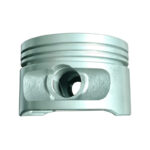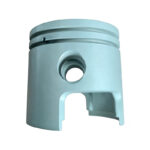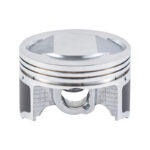
Automotive Pistons for Daewoo: Where the Engine Code Matters More Than the Brand
Automotive pistons for Daewoo are replacement components for engines used in Daewoo vehicles, which were produced across several model families and engine generations before the brand was absorbed into General Motors. That history matters for piston selection, because a Daewoo engine may share its architecture with a Chevrolet, an Opel, or a Suzuki model depending on the year and the platform. Buyers who select pistons by brand name alone may receive a part that fits the bore and not the combustion chamber, or that matches the dimensions and not the compression height.
The engine code is the specification that determines which piston fits. Daewoo produced several engine families, including the SOHC and DOHC variants used in the Lanos, Nubira, Leganza, and Matiz. Each family has its own bore diameter, stroke, compression height, and ring specifications. A piston designed for one family will not work in another, even if the two engines share a displacement. Factories typically organize their piston catalogs by engine code rather than by vehicle model, because the same engine may appear in several models and the same model may use different engines across model years.
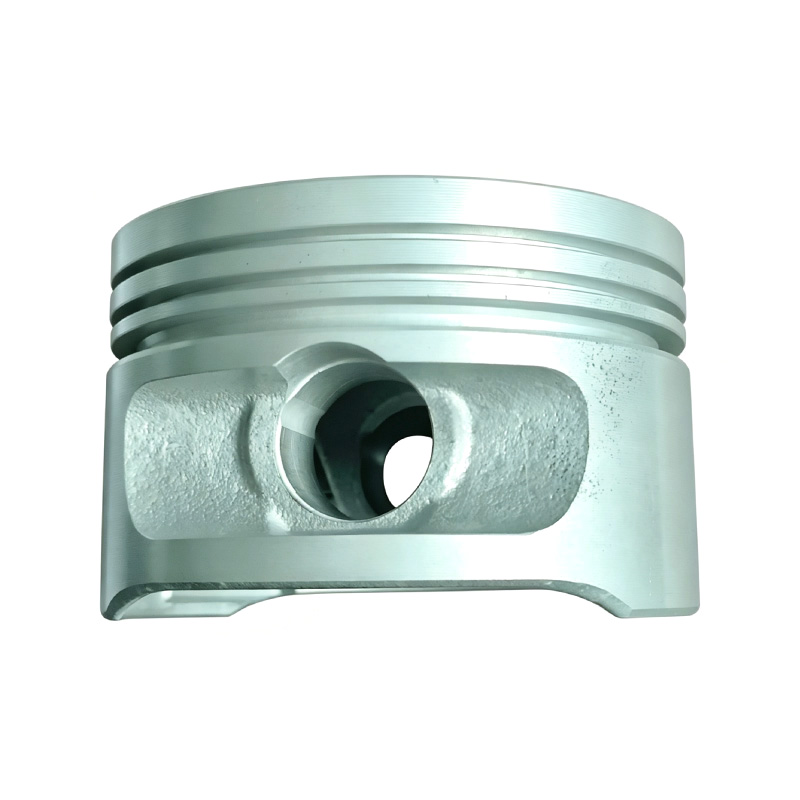
Compression height is a dimension that buyers often overlook when selecting a replacement piston. It is the distance from the piston pin center to the top of the crown, and it determines the compression ratio when the piston is installed. A piston with the wrong compression height may produce a compression ratio that is too high or too low, which affects performance, fuel consumption, and emissions. Factories typically specify the compression height for each engine code, and buyers who substitute a piston from a different application may find that the engine runs poorly even though the piston fits the bore.
The ring package is another specification that varies between engine families. Ring thickness, ring width, and ring material differ between engines, and a piston that is machined for one ring package may not accept another. Some pistons use a two-ring package and others use three. The ring lands must match the rings the engine was designed for, because a mismatch produces poor sealing and oil consumption. Factories typically supply the piston with a recommended ring set, and buyers who source rings separately should confirm that the dimensions match the piston’s ring lands.