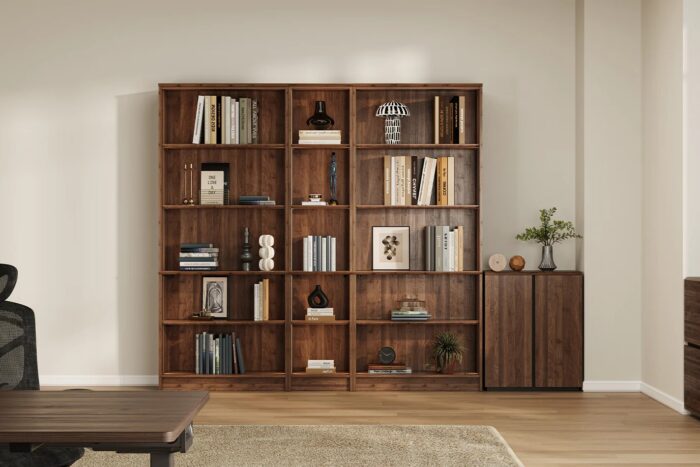
Bookcase Ideas for Small Flats and Compact Living Spaces
Making the most of a small flat requires thoughtful furniture choices, particularly when books, paperwork and everyday belongings begin to compete for limited floor space. The right shelving can transform an awkward corner into a useful reading area, create a more organised home office or add character to an otherwise plain wall. Rather than filling every available gap with furniture, focus on pieces that combine practicality, visual appeal and flexibility. With a few clever layout ideas, even the smallest living space can feel spacious, comfortable and beautifully organised.
Make Every Corner Count with Smart Shelving
Unused corners often provide valuable opportunities in compact homes. A narrow bookcase unit can fit beside a sofa, next to a desk or in an alcove that would otherwise remain empty. Before choosing a design, measure the available width, height and depth, allowing enough room for nearby doors, windows and walkways. Slim profiles can offer useful capacity without making a room feel crowded.
Consider what you intend to display. Paperbacks, ornaments and framed photographs usually require less depth than large reference books or storage baskets. Keeping frequently used items at accessible heights also makes daily routines easier. Leave a little empty shelf space to prevent the arrangement from appearing overcrowded.
Add Atmosphere with a Lighted Bookcase
Lighting can make a compact room feel warmer and more inviting, especially during darker evenings. Shelving with integrated illumination can highlight favourite books, decorative objects and photographs without requiring a separate floor lamp. This can be particularly useful in a reading nook, a windowless study or a dim corner of an open-plan living area.
Think about the purpose of the lighting before selecting a design. Soft illumination works well for displaying treasured possessions, while focused task lighting is more suitable for reading or working. Check the power supply, cable placement and control settings to ensure everything fits your room comfortably. Avoid excessive decorative lighting, as a simple, coordinated arrangement usually creates a calmer appearance.
Use Vertical Space for Better Storage
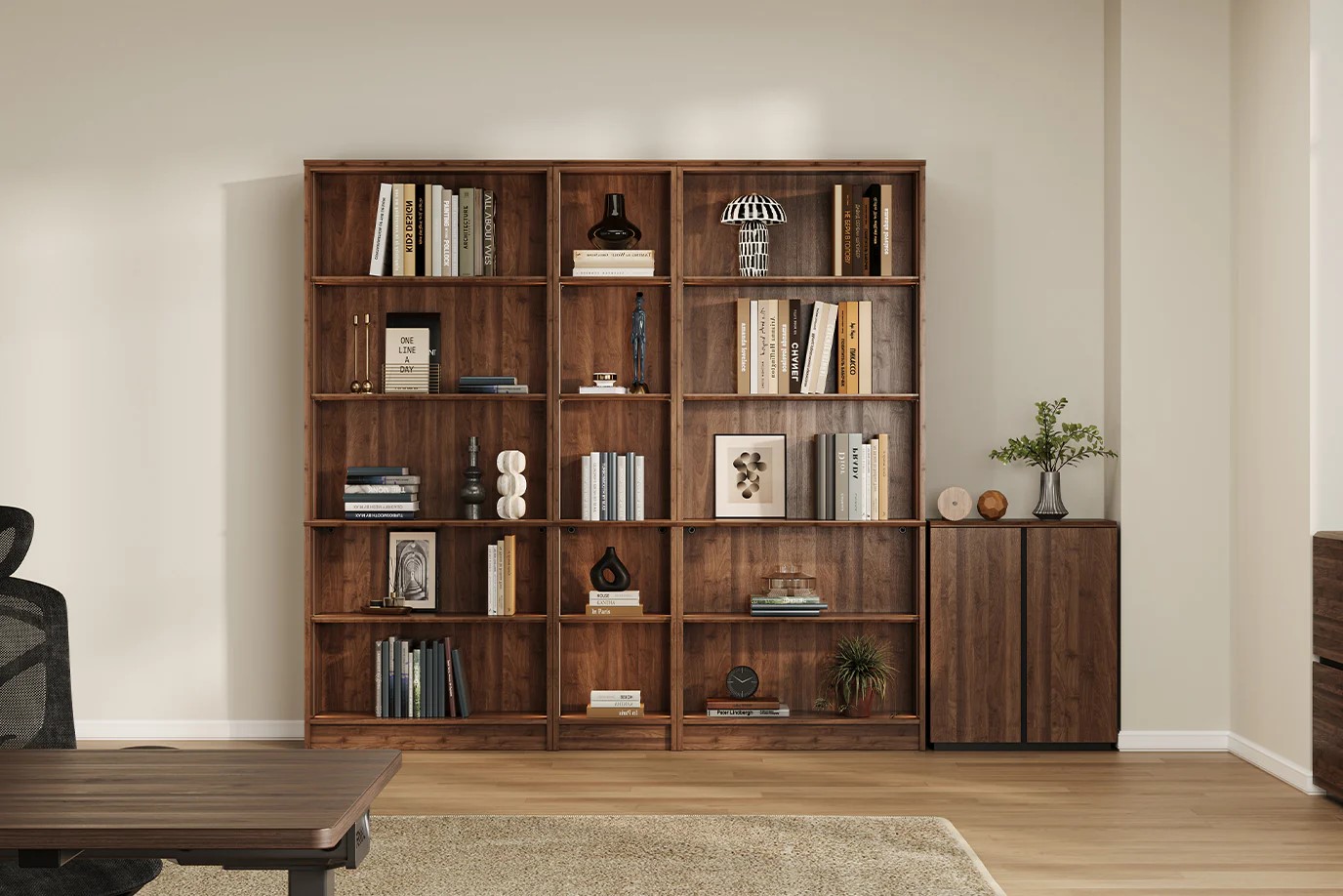
When floor space is limited, look upwards. Tall shelving makes use of wall height and can accommodate books, baskets and household essentials in one organised arrangement. It may also help draw the eye upwards, creating a greater sense of height in a low-ceilinged room.
Keep everyday essentials on lower or middle shelves and reserve higher sections for items you rarely use. Place heavier objects on lower levels to improve stability, and follow the manufacturer’s instructions about anchoring furniture securely. In rented accommodation, check the relevant property rules before drilling into walls. A carefully planned vertical arrangement can deliver useful capacity without obstructing the main living area.
Create a Compact Work Area with a File Cabinet
Many small flats double as offices, making paperwork difficult to manage without a dedicated system. A compact filing unit can keep household bills, contracts, instruction manuals and work documents together instead of spreading across the dining table. Look for drawers suited to your folders and check the internal dimensions before purchasing.
For the best results, organise documents into clearly labelled categories, such as household, employment and finances. Keep frequently accessed paperwork within easy reach and archive older records separately. If space is especially tight, choose a unit that fits beneath a desk or beside an existing workstation. A consistent filing routine can save time while keeping the room ready for other activities.
Protect Important Documents with a Locking File Cabinet
Shared living spaces can make privacy a concern, particularly when several people use the same desk or workspace. A lockable filing unit provides an additional layer of control over access to personal records, financial paperwork and confidential documents. It is a practical option for home workers, students and households that share communal areas.
Before choosing one, consider the number of documents you need to secure and how frequently you will access them. Check the locking mechanism, drawer capacity and overall dimensions. Keep keys in a designated place and avoid storing sensitive information carelessly elsewhere. Security furniture works best when combined with sensible document handling and a well-organised filing system.
Keep Clutter Hidden Behind a Storage Cabinet
Open shelves are excellent for displaying attractive possessions, but everyday essentials do not always look neat when left in view. Enclosed cupboards provide a convenient place for cleaning products, stationery, spare cables, board games and other miscellaneous items. This can be particularly valuable in studio flats, where the same room might serve as a lounge, dining area and bedroom.
Choose a finish that complements your existing furniture for a consistent appearance. Light colours and simple fronts often blend comfortably into smaller interiors, while textured finishes can introduce character. Check door clearance before positioning a unit beside a bed, sofa or narrow passage. Combining concealed storage with a few carefully styled displays creates a practical balance between convenience and visual calm.
Choose a Tall Storage Cabinet for Narrow Rooms
A narrow, high cupboard can offer substantial capacity while occupying relatively little floor area. It may be useful in a utility corner, entrance hall or compact kitchen where household supplies need to remain organised. Before buying, measure ceiling height and confirm that the furniture can be assembled and positioned safely in the intended location.
Internal shelf arrangements matter just as much as exterior dimensions. Adjustable shelves accommodate items of different sizes, while doors help keep contents out of sight. Put heavier belongings on lower levels and avoid placing regularly used items where reaching them becomes difficult. Good accessibility is essential when making a small home work efficiently.
Adapt Your Layout with a Modular Bookcase
Flexible furniture is especially useful when a home office, reading corner or collection of books grows over time. Modular shelving consists of sections that can be arranged to suit different layouts, allowing you to begin with a compact configuration and expand when necessary. Depending on the design, separate sections may also help define different zones in an open-plan room.
Plan the arrangement before assembly, considering how it will sit alongside desks, seating and other furniture. Confirm that the components are compatible and follow all connection and wall-fixing instructions. A flexible system can be a sensible long-term investment, particularly for renters or anyone expecting to move into a different property.
Choose Materials and Colours That Make Rooms Feel Larger
The visual weight of furniture can influence how spacious a room feels. Open-sided shelving, slim frames and raised legs can allow more of the wall or floor to remain visible. Pale finishes may help reflect available light, while glass or reflective accents can create a lighter overall impression when used sparingly.
Material choice should also reflect everyday use. Durable surfaces are helpful in busy households, and sturdy shelves are important for heavier books. Check the stated load limits, construction quality and assembly instructions rather than choosing solely on appearance. Matching a few finishes across the room can create a coordinated look without making the space feel overly uniform.
Arrange Your Furniture for Everyday Comfort
Even well-designed furniture can become inconvenient if the layout restricts movement. Keep main walkways clear, make sure cupboard doors open fully and avoid placing bulky units directly in front of windows. In a studio flat, use shelving to suggest a boundary between sleeping and living areas without completely blocking natural light. Baskets and labelled containers can help smaller possessions remain organised.
Before making a final purchase, compare dimensions, usable capacity, durability and total cost, including delivery and accessories. Prioritise furniture that serves a clear purpose instead of filling every gap. The most effective compact interiors combine accessible everyday essentials, concealed clutter and a few personal decorative touches.
Creating a comfortable small flat is ultimately about making thoughtful use of the space available. By exploring vertical arrangements, adaptable shelving, concealed cupboards and carefully planned work areas, you can build a home that feels organised rather than crowded. Measure first, choose furniture around your daily habits and leave enough breathing room for the space to remain welcoming. A practical layout can make even a modest home feel more versatile, attractive and enjoyable to live in.