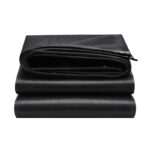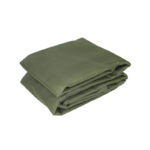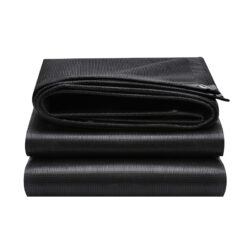
Black Shade Net Sunshade Mesh: Mesh Uniformity Decides Even Shading
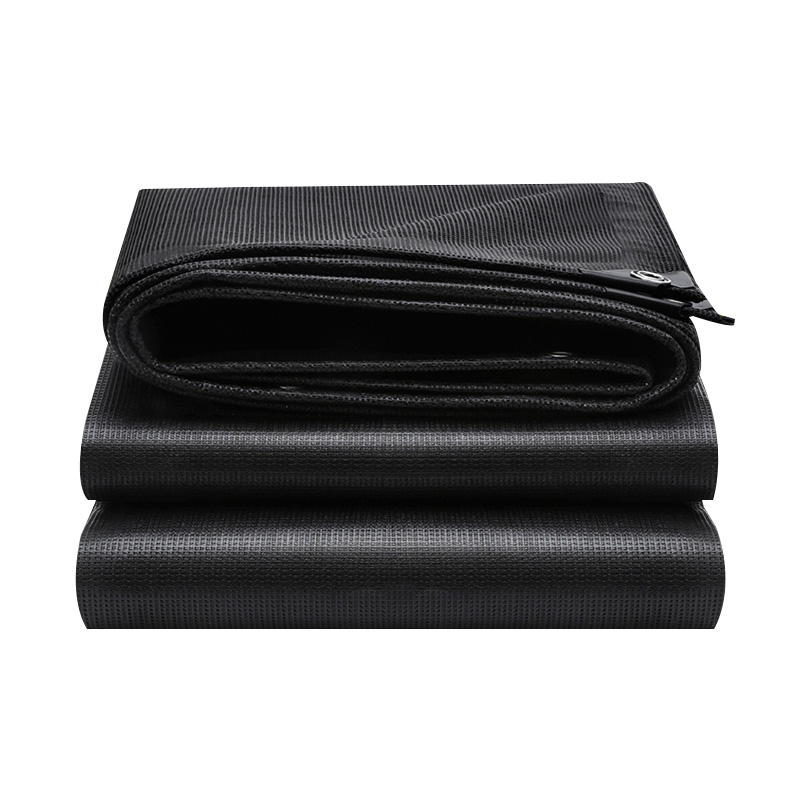
A black shade net sunshade mesh is a woven or knitted black mesh fabric used to filter sunlight over gardens, greenhouses, nurseries, livestock pens, and outdoor seating, cutting glare and heat while letting air and moisture pass through. Buyers usually compare advertised shade percentage, mesh width, roll length, and the net color on the pack. The property that decides whether the shade spreads evenly and holds up to wind and outdoor exposure is the uniformity of the mesh openings and the strength of its edge and selvage, and it is the detail most buyers overlook.
Mesh density stays even across the panel. The openings must repeat at a steady size and spacing from edge to edge, with no sparse bands, tight patches, or skipped stitches that leave some spots over-shaded and others exposed. A mesh that varies in density casts patchy shade; an even weave gives consistent light reduction over the whole cover.
Tape or thread resists wind and tear. The woven strands must hold together so the net does not rip or unravel when wind pushes through, and a small snag should not run into a long split. Weak strands tear easily under gusts; strong, interlaced material keeps the mesh intact outdoors.
Open mesh lets air pass through. The net should breathe, allowing breeze and rain to filter through instead of billowing like a solid sheet or trapping heat underneath. A mesh that closes up under load holds wind and lifts the cover; an open, stable weave lets air pass while still filtering sun.
Selvage and anchor points hold the net down. The finished sides must be bound or self-woven so strands do not fray or split back from the edge once stretched and tied, and the border should reinforce attachment points so ropes or clips do not tear through the mesh. A raw edge unravels under tension; anchors through plain mesh pull a hole around them, while a reinforced border spreads the tie-down load.
UV stability and batch consistency preserve the net outside. The black material should resist sun aging so it does not turn brittle, fade, or weaken after long outdoor use, and nets in a roll should repeat the same opening size, strand strength, and edge finish one after another. Sun-damaged mesh snaps and tears easily; variable production leaves some panels sparse and others tight.
Hold a sample net up to the light and check it: look for even opening size across the panel, stretch a section to feel strand strength, inspect the sides for fraying selvage, check the reinforced border, and compare two pieces for matching density and width. A maker that weaves an even mesh, reinforces the edges, and keeps the strands UV-stable sends out shade nets that cast steady shade and hold up in the wind; one that treats mesh uniformity and edge strength as secondary detail delivers nets with patchy light, unraveling sides, torn anchor points, or brittle strands after short outdoor use.