Double Top Umbrellas With Wave Flaps: Where the Vent Opening Must Be Tested, Not Assumed
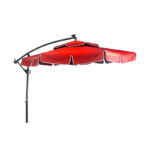
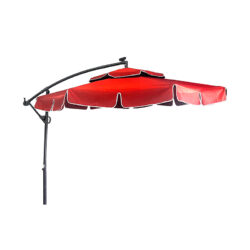
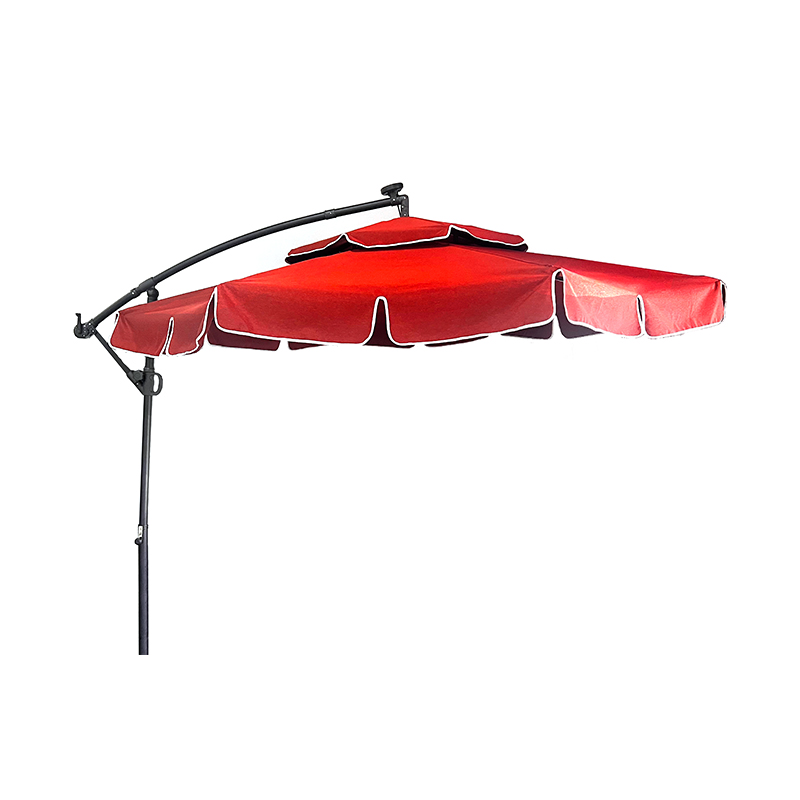
Double top umbrella with wave flap factories build canopies with a vented crown and a shaped lower edge. The vent releases wind pressure, and the wave flap diverts runoff. Both features are designed to improve the umbrella’s performance, and both can fail if the factory assumes they work rather than testing them.
The vent opening is the feature that determines wind stability. The double top creates a gap between the upper and lower panels, and air escapes through it. The size and the position of the gap determine how much pressure is released. A vent that is too small leaves the canopy vulnerable to inversion. One that is too large weakens the structure and allows rain to enter. Factories that test the canopy in a wind tunnel or under controlled wind conditions, rather than relying on the design’s appearance, produce umbrellas that stay stable.
The wave flap adds a second variable that the testing must cover. The flap hangs below the main canopy and moves independently. It must be attached securely enough to resist wind but flexibly enough to move with gusts. A flap that is too stiff catches the wind and pulls at its attachment. One that is too loose flutters and wears at the stitching. Factories that test the flap under wind and that inspect the attachment after the test produce umbrellas that keep their shape.
The interaction between the vent and the flap is what the testing reveals. When air escapes through the vent, it changes the pressure on the lower canopy, which affects how the flap behaves. A factory that tests the vent and the flap separately may miss the interaction. Factories that test the complete canopy under wind conditions catch the problems that appear only when the two features work together.
The frame reinforcement follows from the testing. The junction where the upper panel meets the main frame is a stress point, and the test shows whether the reinforcement is sufficient. Factories that adjust the reinforcement based on the test results produce umbrellas that do not fail at the crown.
The market implication is that double top umbrella with wave flap factories compete on testing discipline rather than on the design concept alone. Buyers who use the umbrella in wind and rain need the vent and the flap to work together. Factories that test the complete canopy are better positioned than those that assume the features will perform as intended.