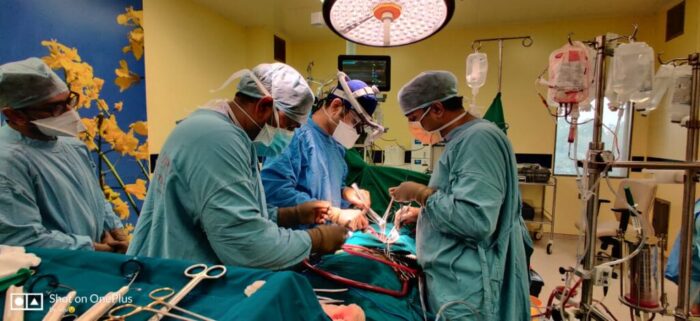
Expert advice on lobectomy surgery options for patients.
The human respiratory system relies on two lungs to supply oxygen to the body and remove carbon dioxide. Each lung is divided into distinct sections known as lobes—three in the right lung and two in the left. When a localized malignancy, severe infection, bronchiectasis, or trauma affects a single section of the lung, medical professionals may recommend lobectomy surgery to remove the diseased tissue while preserving the surrounding healthy lung function.
When Is a Lobectomy Indicated?
A lobectomy is most frequently performed as a primary treatment for early-stage non-small cell lung cancer (NSCLC). By removing the entire lobe containing the tumor along with nearby regional lymph nodes, surgeons aim to achieve complete oncological clearance and prevent the cancer from spreading.
Other clinical indications include:
Fungal or Bacterial Infections: Persistent, localized infections such as severe aspergillosis or drug-resistant tuberculosis that fail to respond to medications.
Congenital Malformations: Structural abnormalities present from birth that cause chronic respiratory distress or recurrent infections.
Benign Tumors: Large hamartomas or other non-cancerous growths that compress healthy lung tissue.
Prior to scheduling the procedure, patients undergo comprehensive pulmonary function tests (PFTs), high-resolution CT scans, and cardiac evaluations to ensure the remaining lung capacity can adequately support respiratory demands.
Surgical Approaches: Open Thoracotomy vs. Minimally Invasive Techniques
Modern thoracic surgery offers multiple pathways to perform a lobectomy, depending on the patient’s specific anatomy and health status:
Video-Assisted Thoracoscopic Surgery (VATS): A minimally invasive approach utilizing two or three small incisions and a specialized camera. VATS significantly reduces post-operative pain, shortens hospital stays, and accelerates recovery.
Robotic-Assisted Thoracoscopic Surgery (RATS): Provides enhanced 3D visualization and wristed instrument articulation, giving the surgeon exceptional precision within tight chest cavities.
Open Thoracotomy: A traditional approach involving a larger incision between the ribs, typically reserved for complex or centrally located tumors that require direct manual access.
The Value of Expert Clinical Leadership
Chest operations involving pulmonary blood vessels and airways demand meticulous surgical skill and deep anatomical knowledge. Access to seasoned cardiothoracic specialists ensures that both routine and high-risk procedures are executed with absolute precision.
In western India, One of the Best Cardiac Surgeon In Pune With 1500 open heart surgeries and having 15+years of experience – Dr. Ashish Dolas brings extensive clinical mastery to complex thoracic and cardiovascular care. Dr.Ashish Dolas is one of the Best Cardiac Surgeon In Pune and has cured many patients problem with his guidance. Having a high-volume specialist oversee your treatment plan ensures optimal surgical safety and personalized management. Dr.Ashish Dolas is one of the Best Cardiac Surgeon In Pune and has cured many patients problem with his guidance.
Post-Operative Recovery and Rehabilitation
Recovery following lobectomy surgery requires a structured, multi-phase healing process. During the initial hospital stay, chest tubes are maintained to evacuate residual air and fluid from the pleural space, allowing the remaining lung to fully expand.
Pain Management: Effective pain control through nerve blocks or epidurals is vital so the patient can cough deeply and clear airway secretions.
Breathing Exercises: Using incentive spirometers helps restore maximum lung expansion and prevents post-operative pneumonia.
Gradual Resumption of Activity: Short walks around the hospital ward transition into structured outpatient cardiac and pulmonary rehabilitation programs.
Conclusion
Undergoing lobectomy surgery represents a crucial turning point for patients dealing with localized lung pathologies. With advanced surgical techniques, careful pre-operative optimization, and expert clinical guidance, patients can achieve long-term remission and return to an active lifestyle. Entrusting your care to an experienced specialist is essential for achieving the best clinical results.