Household Appliances (Equipment) Wiring Harness: The Crimp Fit Decides the Reliability
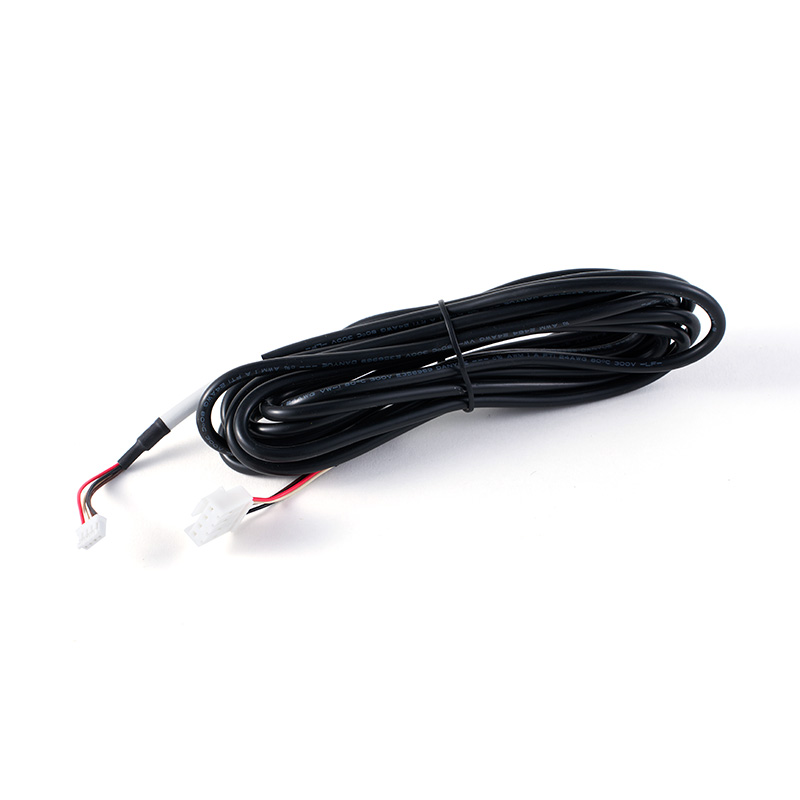
A Household Appliances (Equipment) Wiring Harness is an assembled set of wires, terminals, connectors, and sleeves that routes power and signals between components inside refrigerators, washing machines, air conditioners, ovens, and small kitchen appliances. Buyers usually focus on wire gauge, insulation color, length, and sleeve material. The specification that decides whether the appliance runs safely and consistently is the terminal-to-connector fit and crimp quality, and it is the part buyers evaluate least.
The crimp is the joint between terminal and conductor. Pressed onto the stripped strands, it must grip every strand evenly while keeping the copper intact. A loose crimp lets strands shift, raising contact resistance and generating heat. A crimp that is too tight cuts or breaks strands, weakening the wire under vibration. Loose strands outside the terminal can touch adjacent circuits and raise the risk of shorting. A harness that controls crimp height, width, and pull-out force stays stable through the appliance’s service life.
The connector’s dimensions must match the mating standard on the appliance side. A slightly undersized terminal rocks in the housing and contacts intermittently; a slightly oversized one cannot seat fully, leaving the current path weak. Contact plating must remain intact so repeated mating does not raise resistance. Verifying dimensions against the drawing before assembly, and sampling connectors for fit, produces harnesses that plug in cleanly every time.
The locking mechanism determines whether the terminal stays in place. A housing latch snaps over the plug to hold the halves together; a terminal lock keeps each pin from backing out when the harness is routed and pulled. A mismatch between terminal, housing, and appliance connector produces a loose connection that can separate after assembly. Matching the locking parts to the connector keeps the harness seated.
The wire must be sized for the current it carries: too thin heats under load, while too thick adds stiffness and cost. Routing and strain relief matter as much; a harness that exits the chassis without relief bends sharply at the attachment point and cracks over time.
Before the harness leaves the line, the circuit path must be checked. Continuity testing confirms each wire reaches the right terminal; insulation-resistance checks confirm circuits stay separated; pull-out and crimp tests confirm the joints hold. The practical question for a buyer is not the wire color or length. It is how the terminal is crimped, how the connector locks, and whether those joints are tested before shipment. Those answers decide whether the appliance receives stable power and signal for its full life. A harness that rattles loose or develops a hot spot after months of use treated the crimp and fit as a minor detail, not as the part that carries the current.