Land Capability Assessment and LCA Soil Report Melbourne: What You Need Before You Build or Subdivid
If your block is not connected to the sewer, one question comes before almost everything else: can the land safely handle its own wastewater? A Land Capability Assessment answers it, and the document that records the answer is the LCA soil report Melbourne councils and designers ask for. This guide explains what an LCA is, when you need one, what goes into the soil report, and what to look for in a provider, using The 4 Spheres, a geotechnical services company working across Melbourne’s south-east, as an example.
What Is a Land Capability Assessment?
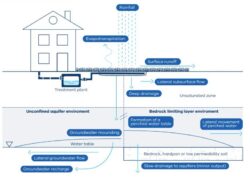
The 4 Spheres describes the purpose of a Land Capability Assessment (LCA) as assessing whether a site can sustainably use and manage wastewater within the allotment boundaries. LCAs are required for most unsewered developments, subdivisions, and existing developments, to work out whether wastewater can be treated and contained on site.
In plain terms, the assessment checks whether the land, not just the system you plan to install, can cope. A septic system that works on one block can fail on the next if the soil drains poorly, the water table is high, or the slope is wrong.
When You Need One
You will usually need an LCA when you are:
- Building on an unsewered block
- Subdividing land that has no sewer connection
- Extending or redeveloping an existing property that relies on on-site treatment
- Replacing a septic system that has failed
The 4 Spheres advises that LCAs should be done early in the planning phase of any development or subdivision. That timing matters because the result can affect where you place a building, how many lots a site can support, and what the wastewater system must look like. Finding out late can force redesigns.
What an LCA Soil Report Covers
An LCA soil report brings the field findings together in a document that a council or designer can use. Exact contents depend on the site and the council, so the following is general guidance rather than a description of any one provider’s template. Reports typically cover:
- The site: location, size, slope, vegetation, and nearby waterways or bores
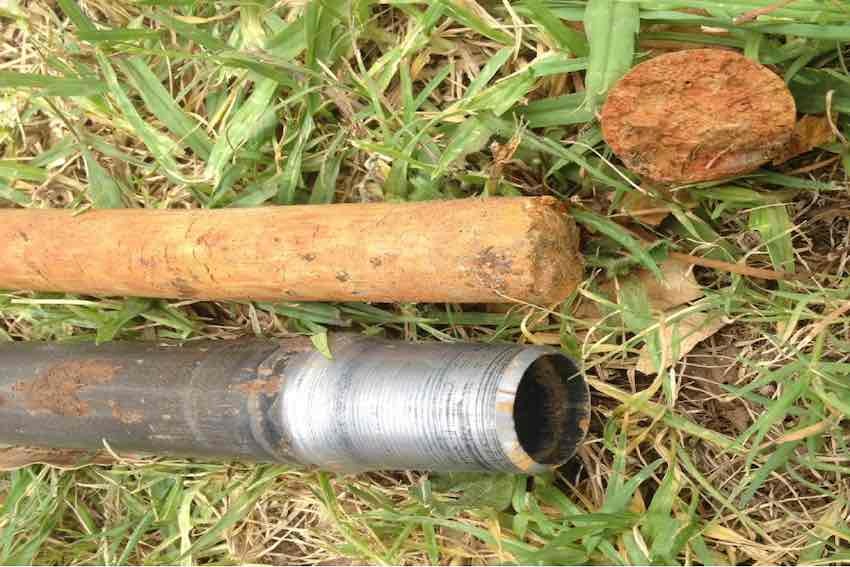
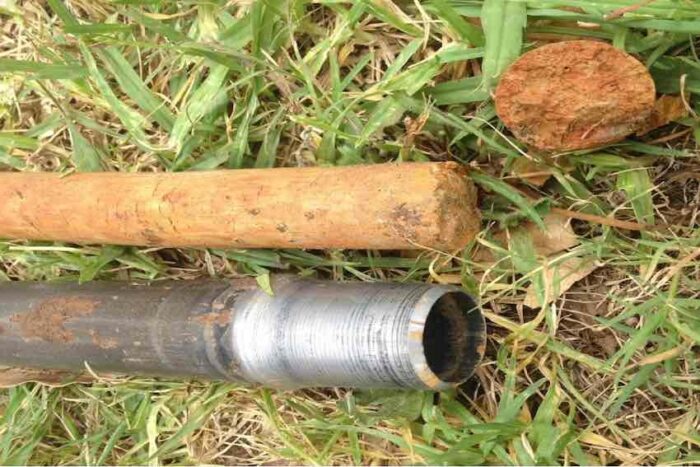
- The soil: what drilling or sampling found, how deep the soil profile goes, and how it behaves
- Drainage: how well the soil takes water, which affects how effluent will disperse
- Constraints: anything that limits wastewater treatment, such as high groundwater or restricted setback areas
- Conclusions: whether and how on-site treatment can work, which feeds into the system design
Ask your provider which guidelines the report follows and what your local council expects. In Victoria these usually include EPA Victoria’s guidance on on-site wastewater management, but confirm the requirement for your site with your council before you commission anything.
How The 4 Spheres Fits In
The 4 Spheres lists LCAs among a set of geotechnical services:
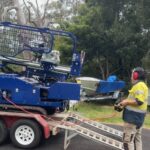
- Soil tests or “site classes”: for foundation design, with drill rig or specialised hand-drilled testing in difficult locations, up to three holes on standard projects, to comply with Australian Standard AS2870-2011
- Commercial and industrial soil testing: including strength testing and reporting to estimate bearing capacity
- Soakage pit testing: testing hydraulic conductivity to assess stormwater disposal through natural soil
- Land Capability Assessments: for on-site wastewater
- Environmental drilling: drilling, investigation, testing, and reporting for environmental assessment
- Indigenous heritage investigation: site investigation and drilling for cultural heritage identification
- Geo-drilling: drilling, soil logging, and reporting for pre-establishment works
Having several of these under one provider can be useful, since a site often needs more than one. A new home on a rural block, for example, may need a site classification for the slab and an LCA for the septic system.
Where It Works
The 4 Spheres says it serves South-East Metro Melbourne, Cranbourne, Clyde, Officer, Pakenham, Koo Wee Rup, Langwarrin, Pearcedale, Casey, Cardinia, Bass Coast, South Gippsland, and the Mornington Peninsula, including Phillip Island. It states that it offers low-cost soil testing from Frankston to the CBD and that its overheads are low, which it passes on to clients.
What to Look for in a Provider
- Relevant experience. Ask who will do the fieldwork and who writes the report.
- Clear scope and price. Find out what the quote includes, such as the number of test holes and the report.
- Turnaround. Your project may be waiting on the report, so ask how long it will take. The 4 Spheres says it prides itself on quick turnaround times.
- Council acceptance. Ask whether reports from this provider are routinely accepted in your council area.
- Access. Difficult access can change the method, so describe your site honestly. The 4 Spheres says it uses hand-drilling in difficult locations.
Tips to Save Time and Money
- Start early. An LCA that comes after the design is locked can mean redesign costs.
- Share what you know. Give the provider your site plan, any previous reports, and the planned building and bedroom count.
- Clear access. Make sure the testing team can reach the areas that need testing.
- Ask about bundling. If you need both a site classification and an LCA, ask whether they can be done together.
Getting Started
The 4 Spheres invites you to contact Chris to discuss your requirements, on 0400 372 763 or at [email protected]. Have your address, a site plan, and a description of the project ready, and ask for a quote.
Frequently Asked Questions
1. What is a Land Capability Assessment? An assessment of whether a site can sustainably manage wastewater within its own allotment boundaries.
2. When is an LCA required? For most unsewered developments, subdivisions, and existing developments, to determine whether wastewater can be treated and contained on site.
3. When should I get one? In the early planning phase of a development or subdivision, since it can affect design.
4. What is an LCA soil report? The report that records the assessment of the site and its soil, used by councils and designers. Contents vary, so ask your provider and council what is required.
5. Does The 4 Spheres do both site classifications and LCAs? Yes. It offers soil tests or site classes to AS2870-2011, and Land Capability Assessments, among other services.
6. Which areas does it serve? South-East Metro Melbourne, Cranbourne, Clyde, Officer, Pakenham, Koo Wee Rup, Langwarrin, Pearcedale, Casey, Cardinia, Bass Coast, South Gippsland, and the Mornington Peninsula.
7. Can it test hard-to-reach sites? It says it offers drill rig or specialised hand-drilled testing in difficult locations.
8. How do I get a quote? Contact Chris on 0400 372 763 or at [email protected].