Lithium Battery Handheld Lawn Mowers: The Cut Path Decides the Runtime
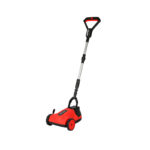
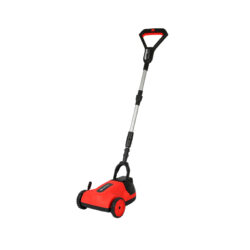
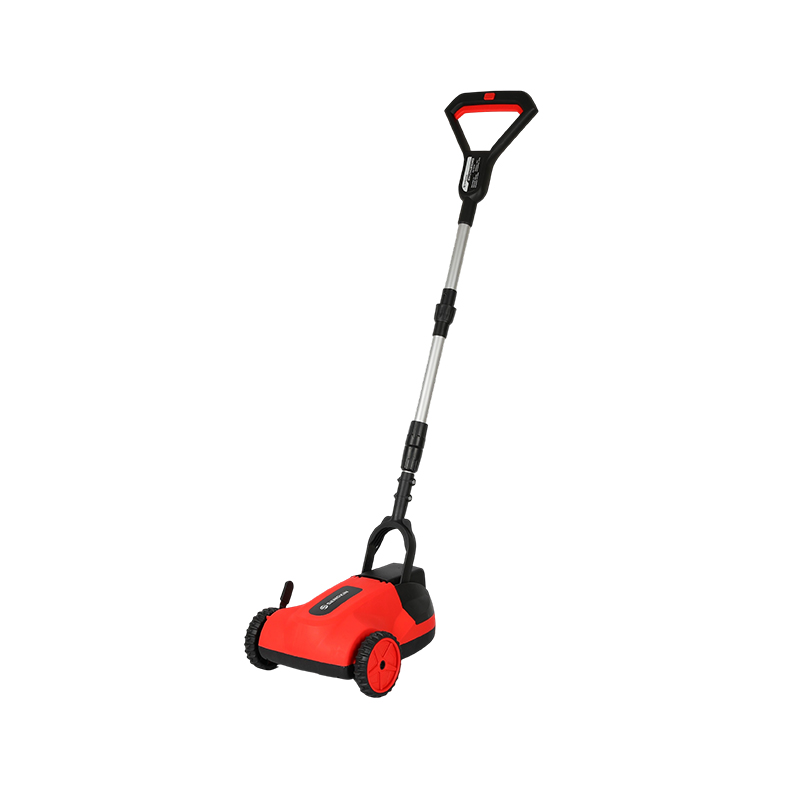
Lithium battery handheld lawn mowers are bought for small lawns, gardens, and edges where a full-size mower is impractical. The buyer compares deck width, battery voltage, and price. The specification that decides whether the mower finishes the lawn on one charge is the cut path, and it depends on how the mower is used as much as on the battery.
A handheld mower covers a narrow strip per pass. The number of passes required to finish the lawn determines the runtime needed. A mower with a wider deck finishes faster but is heavier to hold. One with a narrower deck is easier to control but requires more passes. Factories that specify the deck width for the lawn size produce mowers that complete the job.
The blade efficiency determines how much of the battery’s energy reaches the grass. A sharp blade with the correct geometry cuts cleanly with less resistance. A dull or poorly designed blade tears the grass and draws more power. Factories that design the blade for the motor and the grass type produce mowers that use the battery efficiently.
The motor’s efficiency under load determines whether the mower maintains its cutting speed through thicker grass. A motor that slows when it meets resistance leaves a ragged cut and drains the battery. Factories that match the motor to the blade and the battery produce mowers that hold their speed.
The weight and balance affect the operator’s fatigue. A mower that is heavy or nose-heavy is tiring to hold for the length of the lawn. Factories that position the motor and the battery to balance the deck produce mowers that the operator can control.
The grass collection or mulching affects both the cut quality and the cleanup. A mower with a collection bag must have a bag that is sized for the lawn and easy to empty. One with a mulch plug must distribute the clippings evenly. Factories that design the collection and the discharge as part of the mower produce machines that work.
The safety features affect the operator’s protection. A blade that stops when the handle is released reduces the risk of injury. Factories that include this feature and that test it produce mowers that meet the safety requirements.
The practical question for a buyer is not the deck width or the voltage. It is how many passes the mower needs to finish the lawn and whether the battery lasts for those passes. Those two answers decide whether the mower completes the job or stops halfway.