Making Room for Music in an Aledo Home Without Making Every Room Hear It
A piano can fill a room with beautiful music while making a nearby video call nearly impossible. Drums, amplified instruments, and recorded vocals introduce even greater challenges. Homeowners comparing Home Builders in Aledo TX may benefit from addressing sound during initial design if music practice or recording will be part of household life. Later fixes are often more limited than early construction choices.
The first decision is location. A music room beside a nursery or primary bedroom may create predictable conflict, even with attractive finishes. Study the house layout and identify rooms that can act as buffers. Closets, corridors, or other less sensitive spaces may help separate active sound sources from areas where silence is important.
Sound isolation and room acoustics are different subjects. Isolation concerns how much sound travels between spaces. Room acoustics concerns how sound behaves inside the room itself. A space can sound pleasant for a musician while still disturbing everyone next door. The design should address the actual goal instead of treating decorative acoustic panels as a complete solution.
Airborne sound can pass through walls, doors, ceilings, and unintended gaps. Construction details such as wall assemblies, insulation, door seals, and mechanical penetrations affect results. An acoustics professional can evaluate appropriate methods when noise control is a primary requirement. Ordinary residential construction should not be assumed to deliver studio-level isolation.
Structure-borne vibration creates another problem. A drum kit or powerful speaker may transmit energy through floors and framing even when a wall appears solid. Specialized isolation measures can sometimes reduce this transmission, but their suitability depends on the room and structure. Adding products without understanding the vibration path may accomplish little.
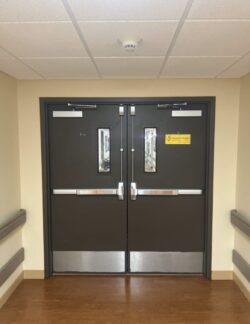
Doors deserve more attention than their appearance suggests. A heavy wall with a poorly sealed lightweight door can allow substantial sound to travel. The correct assembly depends on the performance target, safety requirements, and the home’s design. Discuss door placement and intended use before selecting decorative hardware or glass inserts.
Ventilation also needs consideration. Musicians practicing in a closed room still need comfortable air conditions, and noisy mechanical equipment can interfere with recording. Duct routing and equipment placement should be coordinated with the appropriate professionals. A room that must keep its door open for cooling will not provide the intended separation.
Electrical and network connections should follow the planned equipment layout. Consider where instruments, computers, microphones, or speakers will sit. Sufficient outlets and sensible cable routes reduce clutter. Electrical installations must meet applicable requirements, and specialized recording systems may call for additional planning by qualified installers.
Interior furnishings affect the listening experience. Rugs, curtains, upholstered seating, and shelves can change reflections, but their impact depends on the room. Some spaces need balanced sound for practicing an instrument; others require accurate monitoring for recordings. A professional assessment is valuable when performance matters more than casual use.
Schedule a design discussion around realistic activity levels. Occasional acoustic guitar practice has different needs from amplified rehearsals several evenings a week. Include the needs of household members who will not use the music room. That conversation establishes a sensible scope before someone invests in features that fail to address the actual issue.
It is also worth discussing how the room will be used by visitors. A rehearsal involving several people needs different circulation and seating from solo practice. Equipment storage should be secure without obstructing doors or required paths. Planning these practical details can help the room remain enjoyable between performances instead of becoming a crowded equipment closet.
A thoughtfully positioned music room can support creative interests without turning ordinary family life into a contest over the volume control.
Conclusion
Effective music-room planning combines sensible location, suitable construction assemblies, mechanical coordination, and realistic expectations. Clear goals early in design can reduce avoidable conflicts between creative activity and quiet living.
Call to Action
Share your musical equipment, practice schedule, and sound concerns with an Aledo custom builder. For demanding projects, ask how an acoustics specialist can contribute before construction plans are finalized.
Visit: https://fortresshomestx.com/