Notepad Factory: The Backing Board Decides the Desk Support
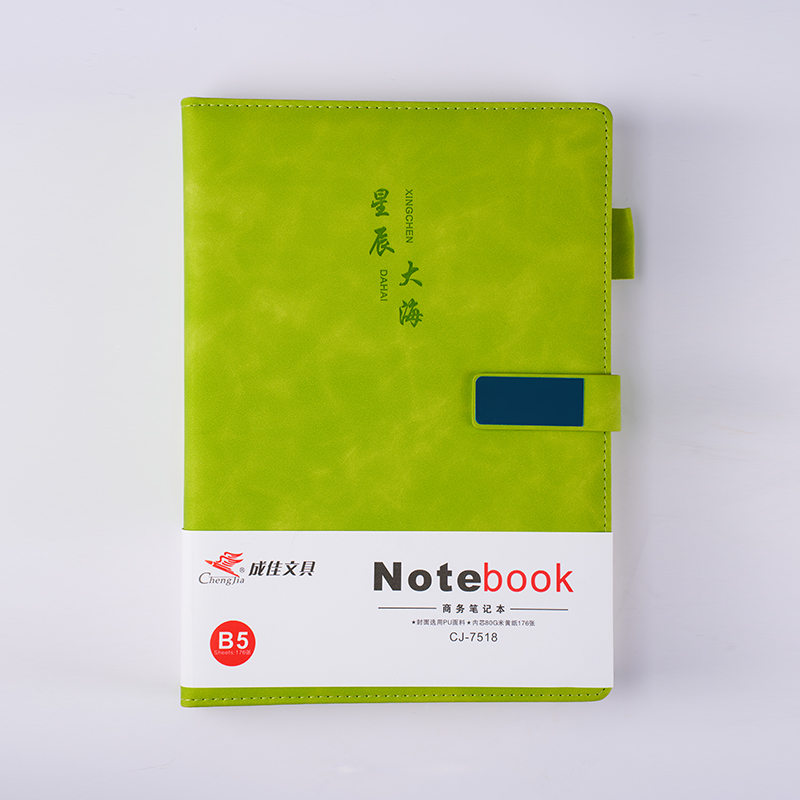
A notepad factory produces writing pads made up of stacked sheets bound along one edge, used for notes, lists, drafts, reminders, and quick records on desks, counters, and in pockets. Buyers usually compare pad size, paper color, page count, and any printed cover. The part that decides whether the pad writes steadily and keeps its shape through daily use is the backing board under the page block, and it is the part most buyers overlook.
The backing board supports the whole pad. Sheets rest on a firm base so the writer can press the pen against a solid surface instead of flexing against a soft stack. A thin or floppy backing bends under the hand, and the page waves with each stroke; a rigid base keeps the writing surface steady from the first line to the last. Board stiffness matched to pad size keeps the pad firm on the desk without adding unnecessary bulk.
Block-to-board alignment decides how neat the pad sits. The page stack must line up flush with the backing board along the edges, so the block does not overhang one side or sit recessed at the other. A block shifted off the board leaves paper exposed past the backing, catching on a desk or bag and wearing the corners; a board wider than the pages on one side looks uneven and fails to protect the sheet edge. Matching the block outline to the board, with every sheet matched in size and trimmed flush, keeps the pad even and square from top to bottom.
The board protects the pad’s bottom edge. Where the pad rests on a surface, the backing takes the abrasion instead of the lowest sheet. A backing that wears through or curls lets the bottom pages scuff and crumple, and the block loses its flat shape. A firm, edge-finished board resists that wear and keeps the stack supported across its full width through months of handling.
Binding along the edge holds the block to the board. Whether glued, stitched, or taped, the spine must keep the page stack attached to the backing without lifting away at the corners. A binding holding only the middle lets end sheets and board separate; one seated flat against the block keeps the pad as one rigid unit. A secure edge joint keeps pages and backing moving together through writing and removal.
Paper behavior on the pad affects daily writing. Sheets should lie flat against the backing instead of curling or lifting off the block, so the hand rests steady and the pen line stays even. Paper that waves or shifts under the stroke makes notes uneven and wears faster at the lifted edges. Flat, stable stock keeps each page open and supported on the board beneath.
Set the pad on a desk and press a hand across the top page: the test is whether the base stays firm, the block sits flush on the board, and the pages lie flat without shifting. These backing and alignment qualities, more than the paper shade or listed page count, decide whether the notepad holds up through everyday writing. A factory that matches board stiffness to pad size, keeps the block aligned and square, and binds the stack firmly to the backing sends out pads that stay steady on the desk; one that treats the backing as a thin liner delivers pads that bend, shift, or wear through at the bottom after short use.