Panelized Epoxy Board Factory: Sheet Flatness and Machining Allowance Define the Buyer’s Yield
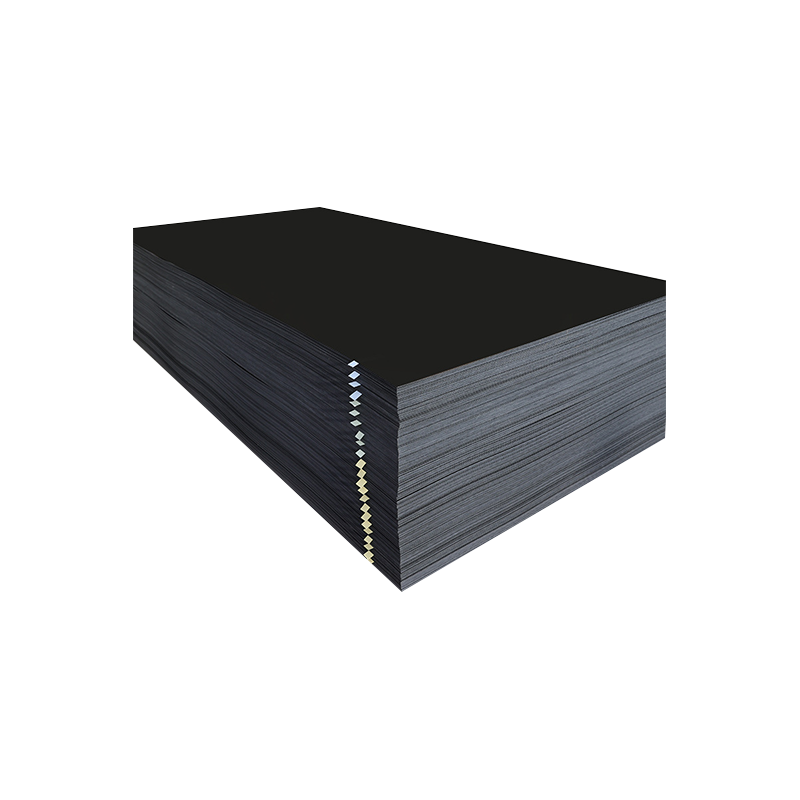
Panelized epoxy board factories supply standardized sheets that buyers cut and machine into insulation components for transformers, switchgear, and circuit substrates. The factory’s product is not a finished part. It is a sheet that must arrive flat, uniform, and thick enough for the buyer to machine away material without exposing defects. Two specifications determine whether the buyer gets a usable yield from each sheet: the sheet flatness and the machining allowance. Those two factors decide how much of each sheet becomes a part and how much becomes scrap.
Sheet flatness is the specification that determines whether the board can be machined accurately. An epoxy board that is bowed or twisted does not sit flat on the machining table, which produces parts of uneven thickness. A flatness deviation that is acceptable for a large panel may be unacceptable for a small precision part. Factories that control the press platens, the cooling rate, and the stacking after cure produce sheets that stay flat. Those that stack sheets while they are still warm may produce boards that bow as they cool.
Machining allowance is the specification that determines how much material the buyer can remove. The board must be thick enough that the buyer can machine it to the final dimension without cutting into a void or a delaminated area. A sheet that is supplied at the nominal thickness with no allowance may not clean up after machining. One that is supplied with excessive allowance wastes material and increases the machining time. Factories that control the thickness tolerance and that specify the allowance for the intended machining operation produce sheets that the buyer can use efficiently.
The resin-to-reinforcement ratio affects both the flatness and the machining behavior. A board with too much resin may warp during cure. One with too little resin may delaminate during machining. Factories that control the ratio produce boards that are stable and machinable.
The reinforcement material affects the board’s surface and its machinability. Glass fabric produces a board that machines cleanly but wears tools. Paper reinforcement machines more easily but produces more dust. Factories that specify the reinforcement for the buyer’s machining method produce boards that perform.
The trimming and the edge quality affect the buyer’s setup time. A sheet with clean, square edges can be clamped and located without additional preparation. One with chipped or uneven edges requires the buyer to trim it before machining. Factories that control the trimming and that inspect the edges produce sheets that reduce the buyer’s setup time.
The testing and the documentation affect the buyer’s confidence. Factories that test the dielectric strength, the flexural strength, and the dimensional stability of each lot, and that provide the records with the shipment, reduce the buyer’s incoming inspection burden.
The market implication is that panelized epoxy board factories compete on sheet flatness and machining allowance rather than on the sheet size alone. As buyers machine the sheets into precision components, suppliers who treat the sheet as a machining input rather than a finished product are better positioned than those who compete on price alone.