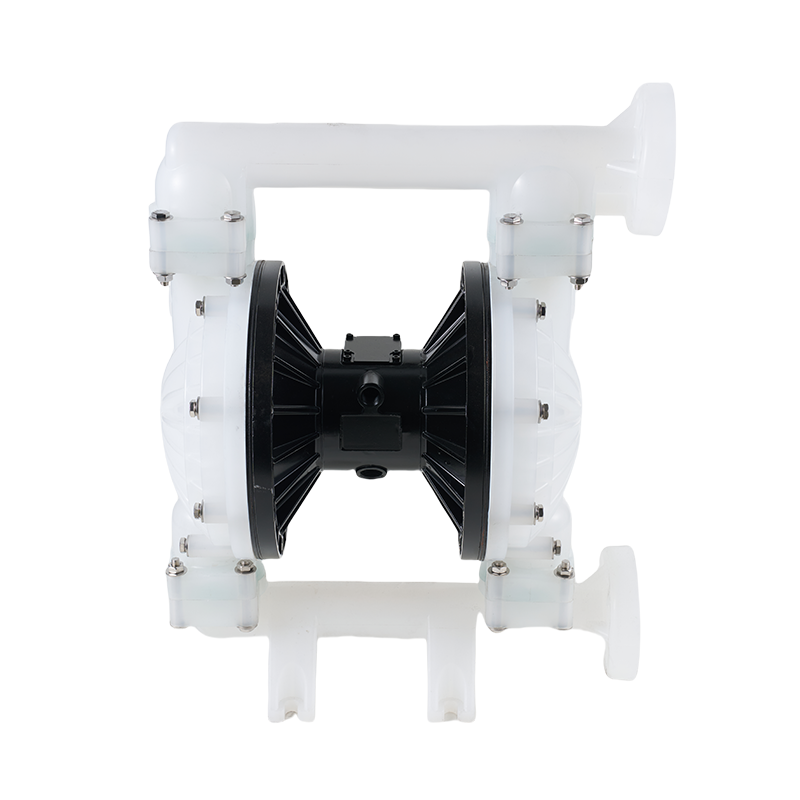
Polypropylene Pneumatic Diaphragm Pumps: Where Temperature Silently Defines the Limit
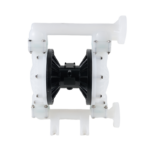
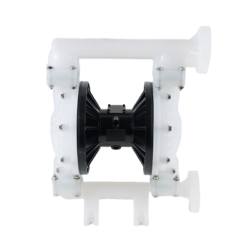
Polypropylene pneumatic diaphragm pumps are specified when the fluid would attack a metal body but the application does not require the temperature or pressure limits of PTFE or PVDF. Polypropylene occupies a specific middle ground. It resists acids, bases, and many solvents that would corrode aluminum or cast iron, it costs less than high-performance fluoropolymers, and it is lighter than metal. Those advantages define where it works. The limitation that buyers most often overlook is temperature, and it is the specification that quietly decides whether the pump survives.
Polypropylene loses strength as temperature rises, and its pressure rating drops accordingly. A pump rated for a certain pressure at ambient temperature may have a significantly lower rating at 60 or 80 degrees Celsius. Factories publish derating curves for this reason, and buyers who operate near the temperature limit should consult them rather than relying on the ambient rating. A pump that is within specification on paper may deform or leak in service if the temperature is higher than the rating assumes.
The pressure rating follows temperature in the same way. Polypropylene is not a high-pressure material compared with metal. It suits applications where the discharge pressure is moderate and where the pump is not required to overcome a large static head. Buyers who exceed the pressure rating risk deformation of the body or failure of the seals.
The non-wetted components determine compatibility alongside the body. Diaphragms, balls, seats, and O-rings are available in PTFE, EPDM, Viton, and other materials. A polypropylene body with PTFE diaphragms handles a broader fluid range than one with EPDM components. Buyers who select the body material first and the components afterward may find that the pump’s overall compatibility is narrower than the body material alone suggests.
Weight and installation are practical advantages. A polypropylene pump weighs less than a metal pump of similar size, which simplifies mounting and reduces the structural support required. It is also easier to move for maintenance. The trade-off is that polypropylene is more vulnerable to impact damage than metal. A pump that is dropped or struck may crack, and a cracked body cannot be repaired.
Ultraviolet exposure affects polypropylene in outdoor installations. Prolonged sunlight degrades the material, which causes discoloration and embrittlement. A pump installed outdoors without protection may fail earlier than one installed indoors. Factories serving outdoor applications sometimes offer UV-stabilized formulations, and buyers should confirm that the material suits the exposure.
The market implication is that polypropylene pneumatic diaphragm pumps compete on temperature and pressure honesty rather than on chemical resistance alone. Buyers who read the derating curves and select the components for the fluid get a pump that performs within its window. Factories that publish the limits clearly are better positioned than those that sell polypropylene as a universal chemical solution.