Precision Casting Butterfly Valve Bodies: Near-Net Shape Shifts the Cost Equation
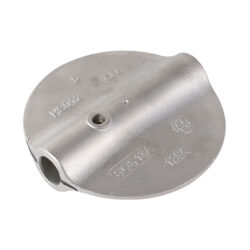
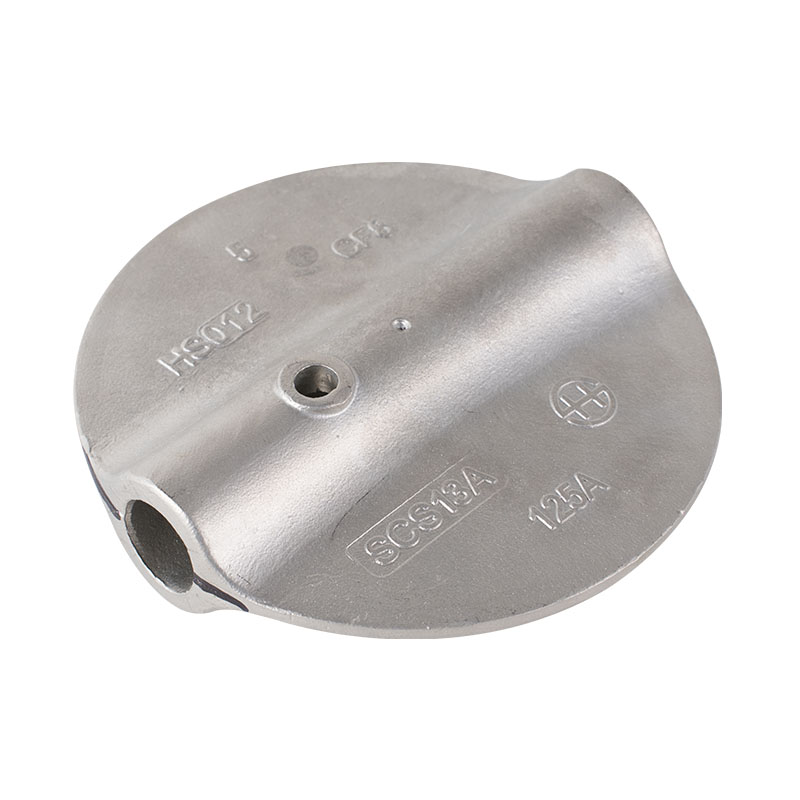
Precision casting butterfly valve body production is moving toward near-net shape as buyers in water treatment, HVAC, and industrial flow control weigh the total cost of a conventional sand casting against a precision casting. The shift is not driven by a new valve standard. It comes from buyers who have compared the machining time, the scrap rate, and the tooling investment and found that the higher casting price is offset by the savings downstream.
The tooling investment is the first consideration. Precision casting requires a metal die rather than a sand mold, and the die cost and lead time are higher. Buyers who expect to modify the body design late in the project may find that precision casting locks them into a design earlier than sand casting would. Suppliers are responding by offering both options and advising on the crossover volume where precision casting becomes the more economical choice.
Wall thickness consistency is the specification that buyers cite most often. A sand casting may vary in wall thickness around the circumference, which forces the machinist to remove more material to achieve the final dimension. That additional machining can expose porosity that was not visible on the as-cast surface. A precision casting with tighter wall control reduces both the machining allowance and the risk of exposing internal defects.
The bore roundness follows from the wall thickness. A butterfly valve seals when the disc meets the seat around the full circumference. A casting that distorts during solidification produces an oval bore after machining, and the valve leaks on two sides. Precision casting, with its controlled solidification, holds the bore closer to round.
Porosity remains a concern regardless of the method. Buyers in high-pressure applications continue to require radiographic or dye penetrant inspection. The difference is that precision casting tends to produce fewer porosity defects in the first place, which reduces the inspection burden.
Regional demand patterns vary. Buyers in markets with high labor costs place more value on reduced machining time. Buyers in markets where sand casting capacity is readily available and labor is less expensive may not see the same benefit. Suppliers that understand these differences position precision casting as a solution for specific conditions rather than a universal upgrade.
The practical question for a buyer is the total cost per finished body, including the machining, the scrap, and the inspection, not the casting price alone. A precision casting that costs more per kilogram and less per finished part is the better purchase. Suppliers that can quote both numbers help the buyer see the difference.