Retro Bowl: Discover the Ultimate Retro Football Management Experience
Retro Bowl is an exciting American football game that combines classic pixel graphics, strategic team management, and engaging on-field action. Designed for players who enjoy sports games with simple controls and meaningful decisions, Retro Bowl offers an entertaining way to experience the challenge of building a successful football franchise. Every match provides opportunities to improve your tactics, develop talented players, and move closer to championship glory.
Whether you are a football enthusiast or a casual gamer looking for something enjoyable, Retro Bowl delivers a satisfying combination of arcade gameplay and management strategy. Its nostalgic visual style and accessible mechanics make every season an opportunity to create a winning team.
What Is Retro Bowl?
Retro Bowl is an American football game developed by New Star Games. It features an attractive retro-inspired design that recalls classic sports games while introducing modern management elements. Players take responsibility for a football franchise, making important decisions away from the field and controlling offensive plays during matches.
Unlike football games that focus entirely on direct action, Retro Bowl combines coaching responsibilities with hands-on gameplay. You must build a competitive roster, maintain team morale, manage available resources, and make smart decisions when the game is on the line.
A Classic Pixel Art Experience
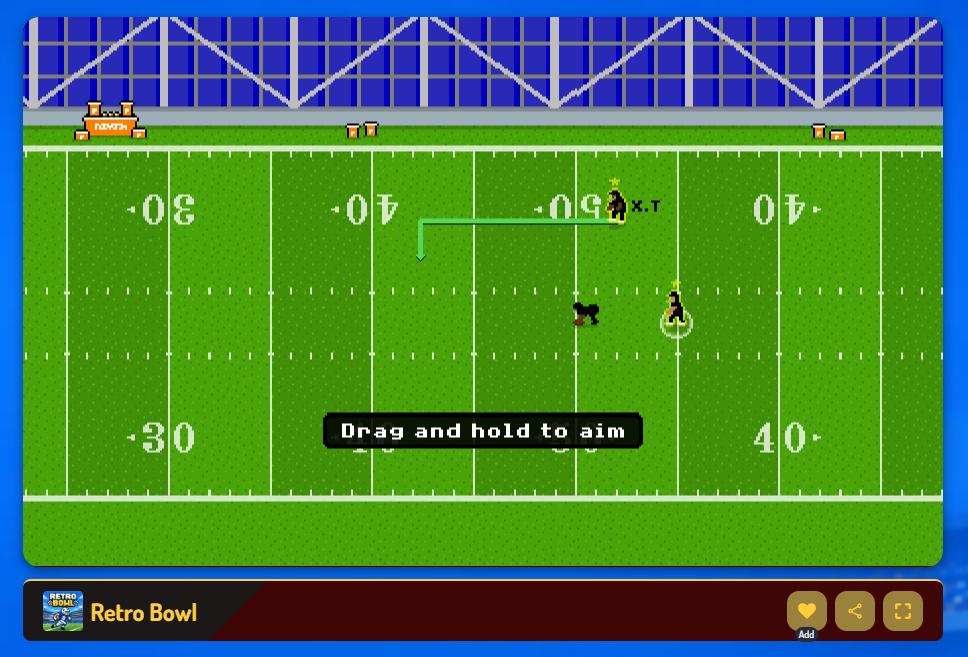
One of the most recognizable features of Retro Bowl is its pixel art presentation. The colorful stadiums, simple player animations, and retro interface create a nostalgic atmosphere without sacrificing gameplay excitement.
The straightforward graphics allow players to concentrate on the action. Instead of navigating complicated visual effects, you can focus on passing, running, scoring touchdowns, and making tactical decisions.
A Football Game With Strategic Depth
Retro Bowl offers more than quick matches. Managing a franchise requires careful planning throughout an entire season. Your choices influence team performance, player development, and long-term success.
A strong roster can help you win important games, but talent alone does not guarantee victory. Effective passing, clock management, and intelligent resource allocation are equally important.
How to Play Retro Bowl
Learning the basic controls is relatively easy, making Retro Bowl suitable for beginners and experienced sports gamers. However, mastering the gameplay requires practice, patience, and an understanding of football strategy.
Master Passing and Offensive Plays
Passing is one of the most important skills in Retro Bowl. You need to aim accurately, judge the distance between receivers and defenders, and release the ball at the right moment.
Short passes can provide reliable progress when the defense applies pressure. Longer throws offer opportunities for spectacular gains but require better timing and accuracy.
Running plays also create valuable scoring opportunities. When a defense focuses heavily on passing, running the ball can help your team gain consistent yardage and maintain possession.
Understand Downs and Time Management
Every offensive possession requires thoughtful decisions. You must gain enough yards to earn another set of downs while keeping an eye on the remaining time.
When your team leads late in a game, controlling the clock can protect your advantage. When trailing, you may need to use quicker plays and take calculated risks to reach the end zone before time expires.
Learning when to play safely and when to attack aggressively is essential for becoming a successful Retro Bowl player.
Build a Strong Team in Retro Bowl
Team management is a central part of the Retro Bowl experience. Your performance depends not only on your control skills but also on the players and coaches you recruit.
Recruit Talented Players
A balanced roster gives your franchise more options during difficult matches. A reliable quarterback can improve passing consistency, while talented receivers create opportunities for significant gains.
Running backs provide another offensive threat, and a dependable kicker can make a difference in close contests. Defensive players are also important because their abilities influence how effectively your team prevents opponents from scoring.
When recruiting players, consider their attributes, potential, and financial cost. Building a balanced team is often more effective than spending all available resources on a single superstar.
Manage Contracts and Team Resources
Financial management plays an important role in long-term progress. You must consider player contracts, salary limits, and the cost of improving your franchise.
Spending carefully allows you to address weaknesses without creating unnecessary financial pressure. Before signing a new player, evaluate whether that addition will solve an important problem or simply increase your expenses.
Smart roster decisions can gradually transform a struggling team into a championship contender.
Improve Player Morale and Facilities
Success in Retro Bowl involves more than winning matches. Team morale, training opportunities, and facility improvements can influence your franchise over time.
Keep Your Players Motivated
Player morale is an important consideration throughout a season. Poor performances, difficult results, and management decisions can affect the atmosphere within your team.
Press conferences provide opportunities to respond to questions and influence morale. Choosing appropriate responses can help maintain positive relationships with players and encourage better team chemistry.
A motivated roster creates a stronger foundation for consistent performance, especially during challenging stretches of the season.
Upgrade Training and Recovery Facilities
Investing in facilities can support player development and improve the overall condition of your team. Training facilities help players develop their abilities, while recovery facilities can assist with injury management.
These improvements require resources, so prioritize the areas that address your most urgent needs. A developing franchise may benefit more from player development than from spending heavily on stadium improvements immediately.
Over several seasons, carefully selected upgrades can contribute to a stronger and more competitive organization.
Essential Tips for Winning More Games
Improving at Retro Bowl requires a combination of offensive skill, preparation, and sensible management. Beginners should focus on consistent performance before attempting complicated strategies.
Choose Safer Passing Opportunities
Avoid forcing the ball into crowded areas when a receiver is closely guarded. Look for open passing lanes and aim ahead of your receiver when appropriate. This gives the player more space to catch the ball and continue running.
Short, accurate passes can keep drives alive and reduce unnecessary turnovers. As your confidence improves, experiment with longer throws to take advantage of defensive gaps.
Develop a Balanced Offensive Strategy
Relying on one type of play can make your offense predictable. Combining passing and running creates more options and helps you respond to different defensive situations.
Pay attention to the field position, remaining time, and score before selecting an aggressive play. A conservative approach may be ideal when protecting a lead, while a more ambitious strategy can help when your team needs a late touchdown.
Make Smart Decisions Before Each Season
Review your roster and identify weaknesses before investing in new players. Replace important gaps, consider promising young talent, and avoid spending resources without a clear purpose.
Consistency is especially valuable during long careers. A team built through careful decisions can remain competitive across multiple seasons rather than relying on temporary success.
Why Retro Bowl Remains So Entertaining
Retro Bowl appeals to players because it combines quick gameplay with meaningful long-term progression. Matches are easy to understand, but every decision can influence the result.
The management system encourages experimentation, allowing players to develop different approaches to team building. Some may prioritize offensive stars, while others focus on maintaining a balanced roster and improving facilities.
The retro presentation adds personality to the experience, while the challenge of competing for championships provides a clear goal. Each season offers another opportunity to learn from mistakes, improve the roster, and establish a winning tradition.
Retro Bowl is also accessible to casual players who prefer straightforward controls over complicated sports simulations. Its combination of strategy and arcade action makes it suitable for short gaming sessions as well as extended franchise careers.
Conclusion
Retro Bowl delivers an enjoyable football experience by combining nostalgic pixel graphics, accessible controls, and thoughtful franchise management. Players can develop their passing skills, recruit talented athletes, improve facilities, and guide a struggling team toward championship success.
The key to success is finding the right balance between on-field execution and off-field planning. Accurate passes, intelligent play selection, responsible spending, and positive team morale all contribute to long-term progress.
Whether you are beginning your first season or working toward another championship, Retro Bowl offers plenty of opportunities to improve your skills and build a memorable football franchise. If you enjoy sports games that reward both strategy and execution, Retro Bowl is an excellent choice for your next gaming session.