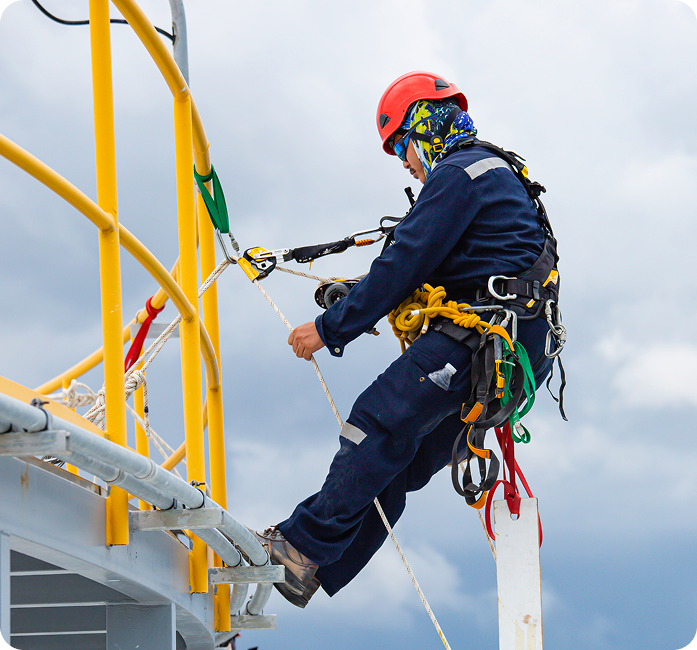
Roof Fall Arrest System: Protecting Workers at Every Height
Roof work often looks straightforward from the ground, but even a familiar rooftop can become dangerous when surfaces are slippery, edges are unprotected, or weather conditions change unexpectedly. A roof fall arrest system provides an important layer of protection for workers performing maintenance, inspections, installations, and repairs at elevated levels. Choosing appropriate equipment and following safe working procedures can help reduce the consequences of accidental falls. Businesses exploring workplace protection solutions can visit Indianinovatix to discover available safety products and investigate options for demanding work-at-height environments.
Why a Roof Fall Arrest System Is Essential
Roofs are common workplaces across residential buildings, commercial properties, factories, warehouses, and infrastructure facilities. Workers may climb onto them to repair air-conditioning units, inspect solar panels, clean drainage systems, or maintain electrical installations. Despite the familiarity of these tasks, a single misstep near an exposed edge can cause severe injury.
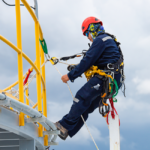
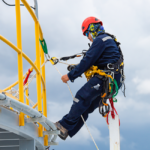
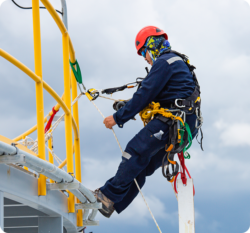
A properly selected roof fall arrest system is designed to stop a worker after a fall begins. Depending on the roof design and working requirements, the arrangement may include a full-body harness, connecting device, energy absorber, lifeline, and suitable anchorage.
The correct configuration depends on roof structure, available clearance, worker movement, and the equipment manufacturer’s specifications. Employers should assess hazards before selecting equipment and consider whether safer alternatives can eliminate the need to work near exposed edges.
Understanding the Main Components of Rooftop Protection
A reliable fall protection arrangement combines multiple components that must function together. Each element should be appropriate for the intended application and compatible with the rest of the equipment.
1. Full-Body Harness
A full-body harness connects the worker to the fall protection arrangement. When fitted and used correctly, it is designed to distribute the forces associated with a fall across appropriate areas of the body.
Workers should inspect the harness before each use, checking the webbing, stitching, buckles, and attachment points. Damaged equipment should be removed from service and assessed according to the manufacturer’s instructions.
A correctly adjusted harness is essential for comfort and proper performance. Workers must also understand how to connect it to the designated attachment point without introducing unsafe modifications.
2. Lifelines and Connecting Devices
Lanyards, lifelines, and self-retracting devices connect the harness to an appropriate anchorage. The correct option depends on the work being performed, the distance from the roof edge, and the potential for swing falls.
Energy-absorbing components may help reduce forces transmitted to the worker during a fall. However, equipment selection must account for total fall clearance, including the device’s deployment distance and other relevant factors.
Workers should never combine components simply because their connectors appear to fit together. Compatibility and correct use must be confirmed through manufacturer guidance.
3. Secure Roof Anchorages
An anchorage provides the structural connection that supports the protection arrangement. It must be suitable for the intended use and verified according to applicable requirements.
Roof materials differ considerably. A connection that is appropriate for one structural system may be unsuitable for another. Qualified personnel should evaluate the anchorage, installation method, and surrounding structure before the system is used.
How Indianinovatix Can Support Equipment Selection
Selecting suitable safety equipment begins with understanding the specific roofing task. Indianinovatix offers an online destination where businesses can explore available safety products and investigate options for their workplace requirements.
Before purchasing, employers should consider roof type, work frequency, environmental exposure, worker mobility, and the availability of safe anchorage points. Metal roofs, fragile roof panels, and surfaces affected by moisture may present different hazards and require different control measures.
Buyers should also review product specifications, applicable certifications, installation requirements, and inspection guidance. Consulting qualified safety professionals helps ensure that selected equipment is suitable for the intended roof structure and work conditions.
Best Practices for Safer Rooftop Work
Reliable equipment must be supported by practical procedures, worker training, and a clear understanding of workplace hazards.
Inspect the Roof and Equipment Before Starting
Workers should examine access routes, walking surfaces, roof edges, skylights, and other potential hazards before beginning a task. Fragile panels and concealed openings deserve particular attention because they may not support a person’s weight.
Harnesses, connectors, lifelines, and anchorages should also be checked according to established procedures. Defective components must not remain in service.
Train Workers in Correct Equipment Use
Training should cover harness adjustment, proper connections, safe movement, fall clearance, and equipment limitations. Workers must know when conditions make rooftop work unsafe and understand the procedures for reporting hazards.
Supervisors should provide task-specific instructions and reinforce safe practices when weather, equipment, or site conditions change.
Prepare a Practical Rescue Plan
Stopping a fall is only part of an effective safety strategy. A suspended worker may experience serious medical complications if rescue is delayed.
Employers should establish rescue procedures before work begins, identify suitable rescue equipment, and ensure that trained responders can act promptly. Emergency communication and rescue arrangements should be realistic for the building and roof configuration.
Common Mistakes to Avoid
One frequent mistake is assuming that wearing a harness automatically makes rooftop work safe. The equipment must be connected correctly, supported by a suitable anchorage, and used within its intended limits.
Other problems include ignoring fragile roof sections, overlooking skylights, choosing incompatible components, and failing to account for swing-fall hazards. Poor weather and inadequate access planning can also increase the likelihood of an incident.
Where practical, employers should prioritize eliminating work at height or using collective protection, such as guardrails and suitable working platforms, before relying on personal fall protection alone.
Conclusion: Making Rooftop Safety a Daily Priority
Effective roof safety depends on careful hazard assessments, appropriate equipment, consistent inspections, and well-prepared workers. A properly selected roof fall arrest system can help reduce the consequences of accidental falls when installed and used according to its specifications. By reviewing workplace requirements and exploring available solutions through Indianinovatix, businesses can make informed decisions about protecting employees during rooftop maintenance and construction. A safer roof begins with preparation, but lasting protection comes from making safe practices an essential part of every working day.