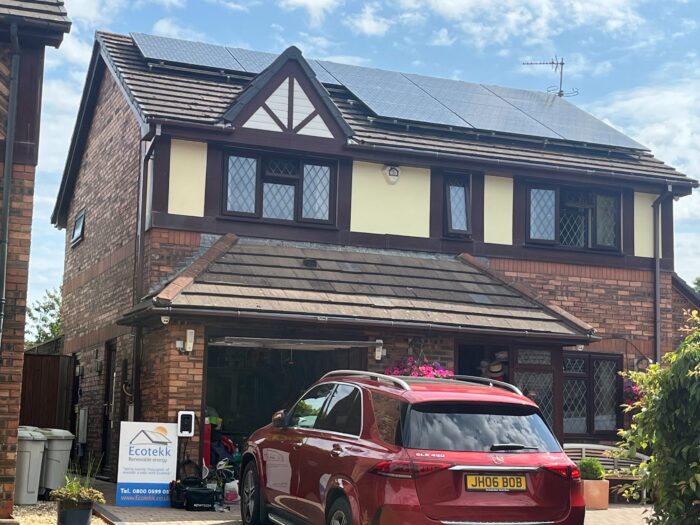
Solar Panel Installation: Make Your Home More Energy Efficient with Ecotekk
As energy prices and environmental concerns continue to influence household decisions, more homeowners across the UK are exploring renewable energy solutions. Solar power offers an opportunity to generate electricity from daylight, reduce reliance on the national grid, and make a home more energy efficient.
Ecotekk is a renewable energy and home improvement company offering solar photovoltaic (PV) systems, solar water heating, battery storage, heat pumps, insulation, and other energy-saving solutions. With a focus on professional installation and practical advice, Ecotekk helps homeowners explore options for improving their property’s energy performance.
Why Consider Solar Panel Installation?
Professional solar panel installation allows homeowners to generate electricity using sunlight rather than relying entirely on electricity supplied by the grid. A properly designed system can help reduce electricity purchases and support a more sustainable household.
Solar panels use photovoltaic cells to convert daylight into electricity. The electricity generated can power household appliances, lighting, and other electrical equipment. The amount produced depends on factors such as roof orientation, shading, panel capacity, weather conditions, and the time of year.
There are several potential benefits of installing solar panels:
Lower electricity costs: Using solar-generated electricity at home can reduce the amount purchased from an energy supplier.
Reduced carbon emissions: Solar power generates electricity without directly producing carbon emissions during operation.
Greater energy independence: Generating electricity at home can reduce reliance on the national grid.
Battery storage opportunities: A compatible battery can store surplus solar electricity for later use.
Long-term energy planning: A well-designed system can help households manage their future energy needs.
Actual savings depend on the system’s design, household consumption, installation costs, electricity tariffs, and how much of the generated electricity is used or exported.
Solar Installation in Home: What Homeowners Should Know
Planning a solar installation in home begins with understanding the property’s energy requirements and whether the roof is suitable for solar panels.
Before recommending a system, an installer should consider the available roof space, roof direction, shading from trees or nearby buildings, the condition of the roof, and the household’s typical electricity consumption.
These details help determine the appropriate number of panels, system capacity, inverter requirements, and whether battery storage would be beneficial.
1. Roof Suitability and Available Space
A roof with suitable orientation and minimal shading can help maximise solar electricity generation. However, solar panels can work on different roof orientations, and the best arrangement depends on the property’s specific conditions.
The installer should also check whether the roof is structurally suitable and whether any repairs are needed before installation.
2. Choosing the Right Solar Panels
Solar panels vary in efficiency, size, output, and warranty terms. Selecting the right equipment involves balancing available space, budget, expected generation, and long-term performance.
An experienced installer can explain the available options and recommend a system that meets the household’s requirements.
3. Selecting an Inverter
An inverter converts the direct current electricity generated by solar panels into alternating current electricity used by most household appliances.
The appropriate inverter depends on the system size, roof layout, shading conditions, monitoring preferences, and whether battery storage is included.
4. Considering Battery Storage
Solar panels may generate more electricity during daylight hours than a household uses at that moment. A compatible battery can store some of this surplus electricity for use later, such as in the evening.
Battery storage can increase the proportion of solar electricity used within the home, although the financial benefit depends on battery costs, usage patterns, system design, and energy tariffs.
The Solar Panel Installation Process
Understanding the installation process can help homeowners plan their transition to renewable energy.
Step 1: Initial consultation. The installer discusses the property’s energy needs, budget, and expectations.
Step 2: Site assessment and system design. Roof suitability, shading, electricity consumption, and equipment requirements are evaluated.
Step 3: Quotation and planning. The homeowner receives information about the proposed equipment, installation costs, expected generation, and relevant requirements.
Step 4: Installation. Qualified installers fit the panels, mounting equipment, inverter, and any agreed battery storage system.
Step 5: Electrical testing and commissioning. The installation is checked to ensure the system operates correctly and safely.
Step 6: Handover and monitoring. The homeowner receives relevant system information and guidance on monitoring performance.
Depending on the property and project, electrical connection arrangements, distribution network notifications, or planning permission may also need to be considered.
Why Choose Ecotekk for Solar Energy Solutions?
Choosing a suitable installer is an important decision because system design and installation quality affect performance, safety, and long-term reliability.
Ecotekk offers solar PV systems alongside other home energy improvement services. Its broader approach allows homeowners to explore solar generation, battery storage, heating, insulation, and glazing solutions when planning improvements to their properties.
The company highlights its free design and quotation service, experienced technicians, consultation support, and financing options subject to eligibility and approval.
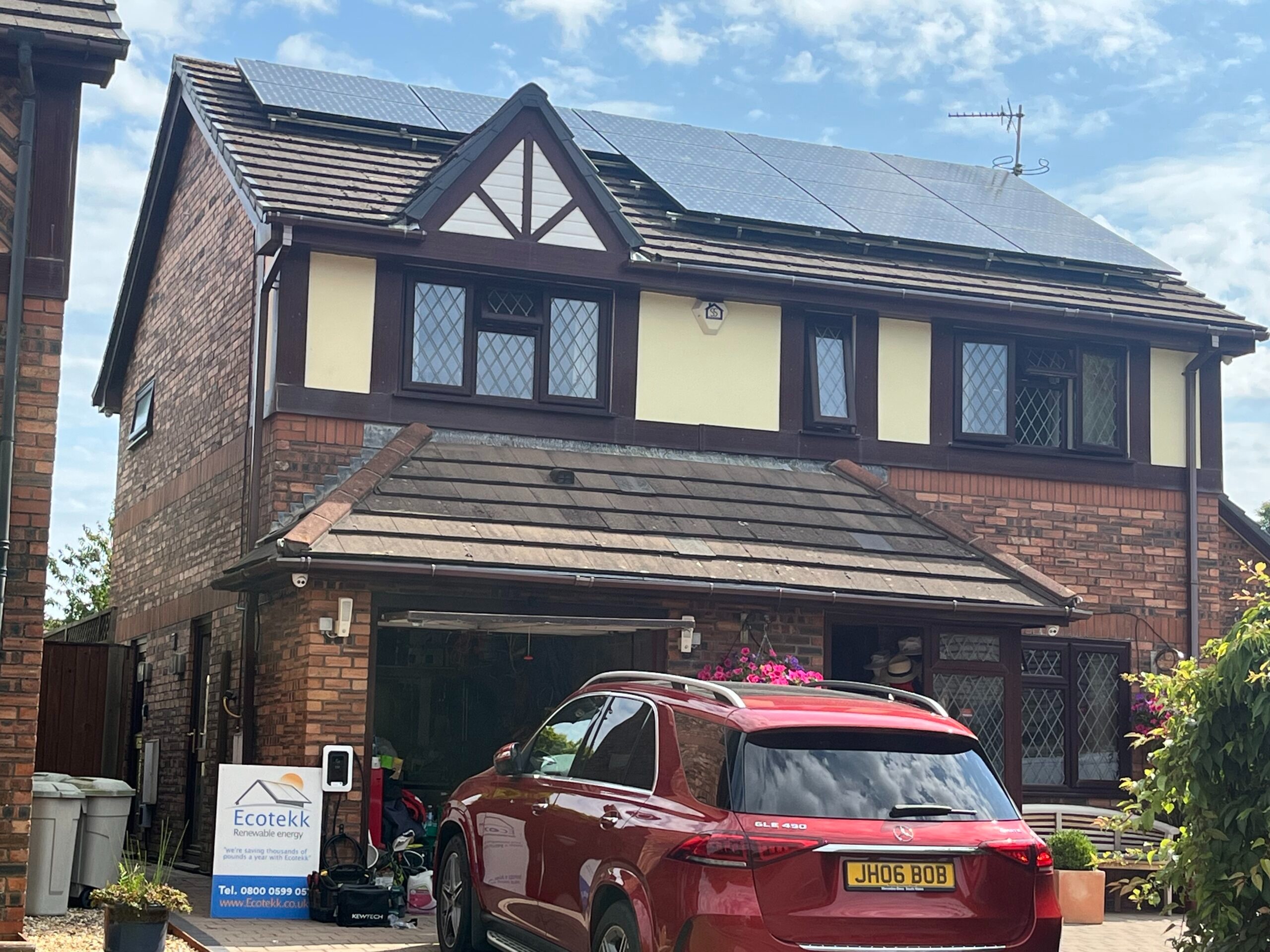
Ecotekk also publishes solar case studies that describe installations and battery upgrades for residential customers. These examples can help prospective customers understand how different renewable energy solutions may be incorporated into a home.
When comparing installers, homeowners should review relevant certifications, equipment specifications, workmanship guarantees, product warranties, and the details of the proposed installation. It is also sensible to compare multiple written quotations before making a decision.
Solar Energy for Homes Across Wales and South West England
Ecotekk installs solar panels and other energy-saving home improvements across Wales and the South West of England. Its listed service areas include Swansea, Cardiff, Neath, Newport, Bridgend, Bristol, Bath, Gloucester, Swindon, Carmarthen, and surrounding locations.
Local installation support can help homeowners arrange a consultation, understand their property’s suitability, and discuss the equipment needed for their project.
Whether you are considering solar panels for a new property or upgrading an existing home with battery storage, a site-specific assessment is an important starting point.
Start Your Solar Journey with Ecotekk
Solar power can be a practical way to improve household energy efficiency and reduce dependence on purchased electricity. However, the best results come from selecting a system that reflects the property’s roof conditions, energy consumption, budget, and future requirements.
Ecotekk offers solar PV installation and complementary energy-saving solutions to help homeowners explore their options.
To learn more about solar panel installation and solar installation in home, visit the official website or contact the team to request a consultation and quotation.
Contact Ecotekk
Website: https://ecotekk.co.uk/
Phone: 08000 599057
Email: [email protected]
Frequently Asked Questions (FAQs)1. What is solar panel installation?
Solar panel installation involves fitting photovoltaic panels, mounting equipment, an inverter, and associated electrical components to generate electricity from daylight for household use.
2. Is solar installation in home suitable for every property?
Not every property is equally suitable. Roof condition, available space, shading, orientation, electricity usage, and installation costs should be assessed before choosing a system.
3. Can solar panels work on cloudy days?
Yes. Solar panels can generate electricity from daylight in cloudy conditions, although output is generally lower than during bright sunshine.
4. Is battery storage necessary with solar panels?
No. A solar system can operate without a battery. Battery storage may be useful if you want to store surplus daytime generation for use later, but its value depends on your energy usage and costs.
5. How much can solar panels save on electricity bills?
Savings vary according to system size, electricity consumption, self-consumption, energy tariffs, installation costs, and any export payments. An individual assessment is needed to estimate potential savings.
6. Does Ecotekk offer solar consultations?
Ecotekk advertises a free design and quotation service. Contact the company to discuss your property, energy requirements, and available installation options.
7. Where does Ecotekk install solar panels?
Ecotekk lists installation coverage throughout Wales and the South West of England, including areas such as Swansea, Cardiff, Neath, Bristol, Bath, and Gloucester. Contact the company to confirm coverage for your postcode.