The Biological Nightmare of Residential Living Walls and Green Roofs
The push for sustainable, deeply integrated architecture in 2026 has popularised the installation of living walls and green roofs on residential properties. Architects and homeowners eagerly celebrate the aesthetic beauty and cooling benefits of planting dense vegetation directly onto the exterior surfaces of a house. While the environmental intentions are highly commendable, the biological reality of this design choice is an absolute nightmare for property maintenance. By attaching thousands of pounds of wet soil, dense root systems, and living plants directly to your building’s envelope, you completely erase the required defensive distance between nature and your home. You are intentionally building a highly saturated, perfectly sheltered ecosystem right against your structural timber.
The most immediate threat generated by a living wall or green roof is the relentless accumulation of moisture. These installations require constant, heavy irrigation to keep the plants alive. This means that a massive volume of water sits permanently against the waterproof membranes of the house. Over time, these membranes inevitably degrade or shift, allowing moisture to seep directly into the underlying fascia boards and masonry. This chronically saturated wood is the exact material that carpenter ants and subterranean termites require to establish massive satellite colonies. They will silently excavate the rotting timber, completely compromising the load-bearing capacity of the wall or roof while remaining entirely hidden behind the lush foliage.
Beyond wood-destroying insects, green roofs provide a luxurious, elevated sanctuary for aggressive rodents. Roof rats and squirrels no longer have to struggle to find shelter in your gutters; you have provided them with a heavily insulated, densely planted garden directly on top of your house. They will aggressively burrow into the soil medium to build their nests, completely protected from aerial predators. Once established on the roof, it takes very little effort for these rodents to chew through the underlying ventilation covers or damaged roof tiles, gaining direct, unrestricted access to the warm, dry attic space immediately below them.
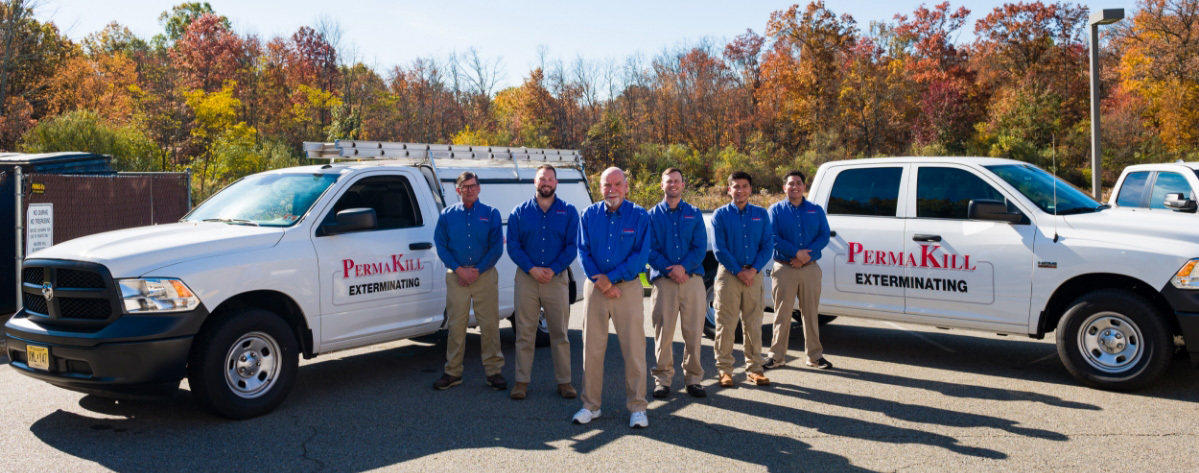
Managing the intense biological pressure created by green architecture requires an aggressive departure from standard pest management. You cannot simply ignore the ecosystem you have attached to your home. Property owners invested in living walls must secure highly specialised Pest Control Summit NJ to establish a rigid, uncompromising chemical and physical perimeter. Expert technicians possess the knowledge required to navigate complex architectural installations safely. They apply highly durable, weather-resistant barrier treatments that specifically deter colonising insects from transitioning out of the soil medium and into the structural framework of the property.
Professional intervention must be paired with aggressive, ongoing structural audits. The waterproof membranes and drainage systems beneath the vegetation must be inspected continuously to ensure absolutely zero moisture is breaching the building envelope. Technicians can install discreet monitoring stations directly into the living wall framework, allowing for the early detection of carpenter ant activity before the damage becomes catastrophic. Homeowners must understand that adopting green architecture legally and financially obligates them to a much higher standard of biological vigilance than a traditional property requires.
True sustainability cannot come at the expense of your home’s fundamental structural integrity. Embracing living architecture is a beautiful concept, but it demands an incredibly disciplined, data-driven approach to property security. By acknowledging the severe risks associated with attaching wet soil to your house and partnering closely with licensed extermination specialists, you maintain absolute control over the situation. This uncompromising strategy ensures that your home remains a safe, structurally sound environment, allowing you to enjoy the benefits of green design without surrendering your property to a devastating biological invasion.
Conclusion
Green roofs and living walls hold massive amounts of wet soil directly against the building, attracting destructive carpenter ants and nesting rodents. Rigorous moisture management and aggressive professional barrier treatments are mandatory to prevent catastrophic structural degradation.
Call to Action
Protect your home’s structural framework from the risks of living architecture by scheduling a comprehensive professional barrier treatment today.
Visit: https://permakillexterminating.com/pest-control-summit-nj/