The Toxic Chemical Hazards Hidden Within Storm Water Leaks
The immediate aftermath of a severe weather event is a chaotic period filled with anxiety and rapid decision-making. When high winds or heavy precipitation breach the exterior envelope of a residential property, the homeowner’s primary focus is usually on stopping the visible water from ruining the carpets and furniture. This understandable reaction entirely ignores a much more severe, hidden danger. When storm water violently penetrates the structural layers of an older home, it does not remain pure. The water interacts with decades-old building materials, creating a highly toxic chemical solution that carries serious biological and respiratory hazards directly into the family living spaces.
Properties constructed before the late twentieth century often contain highly dangerous materials that have been safely sealed away within the ceiling cavities. Old thermal insulation, degraded asbestos-containing mastics, and historical lead-based paints are commonly found in these undisturbed spaces. Under normal, dry conditions, these materials pose very little risk to the occupants below. However, when sudden structural destruction exposes these cavities to heavy rainfall, the rushing water agitates and dissolves these toxic compounds. The water dripping through your ceiling fixtures is no longer just rain; it is a contaminated chemical slurry carrying microscopic hazardous fibres and heavy metals.
When this contaminated water pools on interior floors or saturates the drywall, the moisture eventually evaporates, but the toxic chemical residue remains firmly embedded in the living environment. As the drywall dries, microscopic asbestos fibres and lead dust can become airborne, circulating freely through the household air conditioning system. Occupants who inhale these particulates face severe, long-term respiratory diseases and neurological complications. The physical danger to children and pets, who spend significant time playing on the affected floors, is particularly acute. Treating this situation as a simple water leak is a massive underestimation of the actual threat facing the household.
Furthermore, the sudden introduction of massive amounts of water into a dark, stagnant ceiling cavity creates an immediate biological hazard. The raw timber framing and paper-backed insulation become thoroughly saturated. Within forty-eight hours, this damp environment will trigger the explosive growth of toxic black mould colonies. As these colonies expand rapidly, they release thousands of allergens and mycotoxins into the air, further compounding the respiratory dangers facing the family. The combination of chemical contamination and aggressive fungal growth turns the home into a genuinely hazardous environment that requires immediate, specialised intervention to secure and sanitise completely.
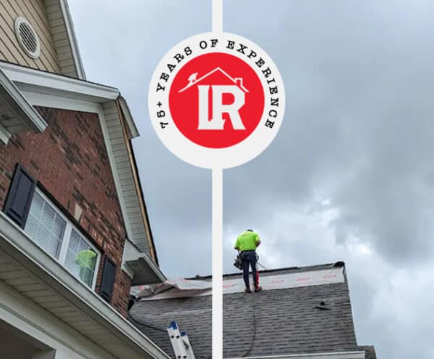
Managing this complex crisis requires far more than placing a few plastic buckets on the floor. Addressing severe Roof Storm Damage Louisville KY must be treated as a hazardous material containment operation. Emergency response teams must immediately secure the exterior breach with heavy-duty tarpaulins to stop the flow of water and prevent further agitation of the internal materials. Once the exterior is temporarily sealed, the interior must be evaluated by professionals trained to identify and safely remediate chemical and biological contaminants, ensuring that the wet materials are removed legally and without spreading toxic dust through the home.
The physical destruction of a home’s exterior by severe weather is distressing, but the secondary chemical and biological hazards represent the true threat to your family’s safety. Recognising that storm water passing through an older structure is highly contaminated changes the entire approach to disaster recovery. Securing immediate professional assistance guarantees that the structural breach is sealed rapidly, the toxic materials are handled with the correct safety protocols, and the indoor environment is fully sanitised, completely restoring the health and safety of your personal sanctuary.
Conclusion
Storm water breaching older properties rapidly creates a highly toxic slurry of dissolved chemicals and biological hazards that requires immediate, professional containment to protect family respiratory health.
Call to Action
Do not expose your family to toxic chemical runoff; contact our rapid response team immediately to securely seal structural breaches and contain internal water damage safely.