The Ultimate Guide to Structural Timber Screws & Timber Frame Screws
When it comes to modern construction and woodworking, the choice of fasteners plays a critical role in ensuring durability, safety, and long-term performance. Among the most reliable fastening solutions available today are structural timber screws and timber frame screws. These advanced fasteners are designed to deliver superior strength, ease of installation, and long-lasting results across a wide range of timber applications.
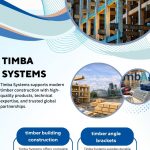
At Timba Systems, high-quality timber fixing solutions are engineered to meet the demands of both professionals and DIY builders. Whether you’re constructing a timber frame home, installing decking, or working on large structural projects, choosing the right screws can make all the difference.
What Are Structural Timber Screws?
Structural timber screws are heavy-duty fasteners specifically designed for load-bearing timber connections. Unlike traditional nails or standard wood screws, these screws are engineered to withstand high stress and provide superior holding power.
These screws are typically made from hardened steel and feature aggressive threading, allowing them to penetrate timber efficiently while maintaining a strong grip.
Key Features:
High tensile and shear strength
Deep, aggressive threads for maximum holding power
Corrosion-resistant coatings for outdoor use
Self-drilling or self-tapping capabilities
No need for pre-drilling in most applications
Because of their strength and efficiency, structural timber screws are often used as an alternative to lag bolts or traditional fastening methods.
Understanding Timber Frame Screws
Timber frame screws are specifically designed for connecting timber components in framing applications. These screws are widely used in construction projects such as residential housing, pergolas, decking, and structural frameworks.
They are typically longer and thicker than standard screws, ensuring deeper penetration and stronger connections in timber structures.
Common Characteristics:
Long length for deep timber penetration
Strong clamping force
Suitable for softwood and hardwood
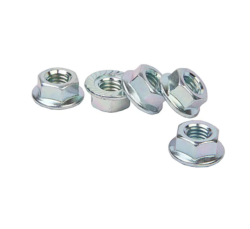
Available in multiple head types (hex, countersunk, flange)
Ideal for structural and non-structural framing
Timber frame screws are essential for creating stable frameworks that can support loads and resist environmental stress over time.
Applications of Structural Timber Screws
Structural timber screws are widely used in both residential and commercial construction due to their strength and versatility.
1. Timber Frame Construction
They are essential for connecting beams, posts, and joists in timber frame buildings.
2. Decking and Outdoor Structures
Perfect for securing deck joists, ledger boards, and pergolas where durability and weather resistance are required.
3. Roof and Truss Connections
Used to attach rafters and trusses securely to wall plates, ensuring structural stability.
4. Engineered Wood Systems
Suitable for materials like:
Glulam (glued laminated timber)
CLT (cross-laminated timber)
LVL (laminated veneer lumber)
These screws create strong connections between engineered wood components.
Applications of Timber Frame Screws
Timber frame screws are versatile and widely used across many construction and woodworking projects.
1. House Framing
Used for assembling walls, floors, and roofs in residential construction.
2. Landscaping Projects
Ideal for building retaining walls, fences, and garden structures.
3. Furniture and Joinery
Provides strong joints for heavy wooden furniture and cabinetry.
4. Renovation and Repair Work
Great for reinforcing existing timber structures and repairs.
Benefits of Using Structural Timber Screws1. Superior Strength
Structural screws provide excellent load-bearing capacity, making them suitable for critical applications.
2. Faster Installation
Most structural screws are self-drilling, eliminating the need for pilot holes and saving time.
3. Reduced Labour Costs
Faster installation means less labour, making projects more cost-effective.
4. Improved Safety
Their high strength reduces the risk of joint failure, enhancing structural integrity.
5. Versatility
Suitable for wood-to-wood and wood-to-metal applications.
Benefits of Timber Frame Screws1. Strong and Reliable Connections
These screws provide tight, secure joints in timber frameworks.
2. Easy to Use
Compatible with standard tools and easy to install.
3. Wide Range of Sizes
Available in different lengths and diameters for various applications.
4. Cost-Effective Solution
More affordable than heavy-duty structural fasteners for non-load-bearing uses.
Types of Timber Screws
There are several types of timber screws available, each designed for specific applications:
1. Countersunk Screws
Provide a flush finish, ideal for visible surfaces.
2. Hex Head Screws
Offer high torque and are perfect for heavy-duty applications.
3. Flange Head Screws
Distribute load over a larger surface area, reducing stress on timber.
4. Fully Threaded Screws
Ensure maximum grip and are often used for reinforcement.
5. Self-Tapping Screws
Designed for quick installation without pre-drilling.
Each type serves a specific purpose, and selecting the right one is essential for optimal performance.
Choosing the Right Screw for Your Project
Selecting the right structural timber screw or timber frame screw depends on several factors:
1. Load Requirements
For heavy loads, always choose structural-grade screws.
2. Timber Type
Hardwoods may require specialized screws to prevent splitting.
3. Environmental Conditions
Outdoor projects require corrosion-resistant coatings like galvanized or stainless steel.
4. Screw Length and Diameter
Longer screws provide deeper penetration and stronger hold.
5. Head Type
Choose based on the finish and application (e.g., countersunk vs hex head).
Installation Tips for Best Results
To ensure maximum performance, follow these best practices:
Use the correct drill or driver bit
Maintain proper spacing between screws
Avoid over-tightening
Follow manufacturer guidelines
Check alignment before fastening
Proper installation ensures durability and prevents structural issues over time.
Why Choose Timba Systems?
Timba Systems is a trusted name in timber construction solutions, offering high-performance screws designed for reliability and efficiency.
What Sets Timba Systems Apart?
Premium quality materials
Industry-compliant products
Wide range of structural and framing screws
Engineered for durability and performance
Suitable for professional and DIY applications
Their product range is designed to meet modern construction needs while ensuring safety and long-term value.
Conclusion
Structural timber screws and timber frame screws are essential components in modern timber construction. While structural screws are designed for heavy-duty, load-bearing applications, timber frame screws are ideal for general framing and woodworking projects.
Choosing the right screw ensures not only the strength of your structure but also the efficiency of your construction process. With advanced solutions from Timba Systems, builders and contractors can achieve superior results with confidence.
Whether you’re working on a large-scale construction project or a simple DIY task, investing in the right timber screws will guarantee durability, safety, and long-lasting performance.