Aluminum Alloy Diaphragm Pump Castings: The Foundry’s Real Customer Is the Machining Floor
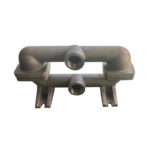
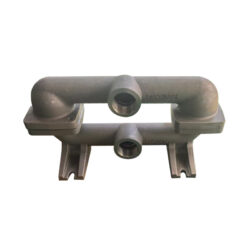
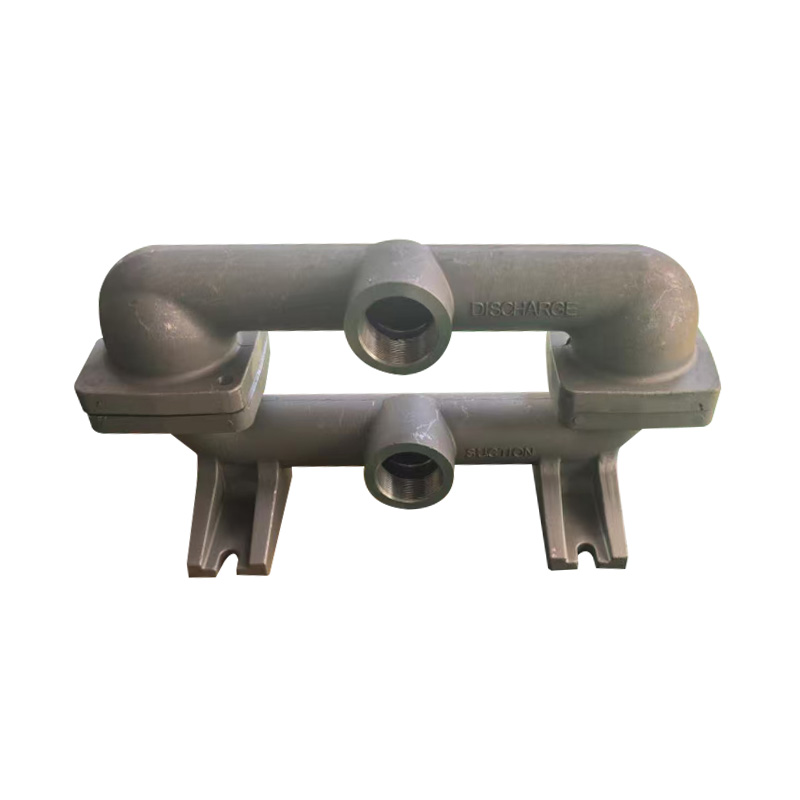
Aluminum alloy diaphragm pump casting factories tend to describe their product in terms of alloy grade and casting method. The pump manufacturer who buys the casting evaluates it differently. For the buyer, the casting is an input to a machining operation, and the question is whether it will yield a finished pump body with the minimum of scrap and rework. The foundry that understands this positions itself better than one that treats the casting as a finished product.
Machining allowance is the first thing the machining floor notices. A casting that arrives at the nominal dimension with no allowance may not clean up after the first cut, particularly if the casting has warped during cooling. A casting with excessive allowance forces the machinist to remove more material, which takes time and wears tools. The foundry that controls the casting dimensions within a narrow band and that specifies the allowance for the pump manufacturer’s machining process gives the buyer a casting that machines predictably.
Porosity is the second thing the machining floor notices, because it appears when the cutter opens the surface. A casting with subsurface porosity may look sound on the outside and reveal voids when the ports and the diaphragm chambers are machined. At that point, the casting is scrap and the machining time is lost. Foundries that inspect the castings before shipment, using radiography or dye penetrant testing on the critical sections, reduce the scrap rate at the customer’s plant.
The alloy and the heat treatment affect the machining behavior. An alloy that is too hard wears tools quickly. One that is too soft produces a poor surface finish and may smear during machining. The heat treatment must produce a consistent hardness across the casting, because a casting with hard and soft zones machines unevenly. Foundries that control the alloy and the heat treatment give the machining floor a consistent material.
Dimensional stability matters after machining. A casting that retains residual stress may move after the material is removed, which changes the dimensions of the finished pump body. Foundries that stress-relieve the castings before shipment reduce the risk of movement and the rework that follows.
The market implication is that aluminum alloy diaphragm pump casting factories compete on how well their castings perform on the customer’s machining floor, not on the alloy grade alone. Pump manufacturers value a foundry that delivers castings that machine cleanly, hold their dimensions, and arrive with the inspection records that support the pump’s pressure rating. Foundries that treat the machining floor as their real customer are better positioned than those that treat the casting as the end of the process.