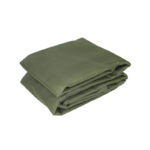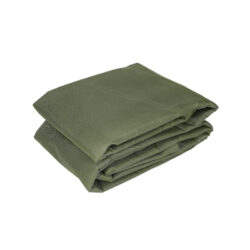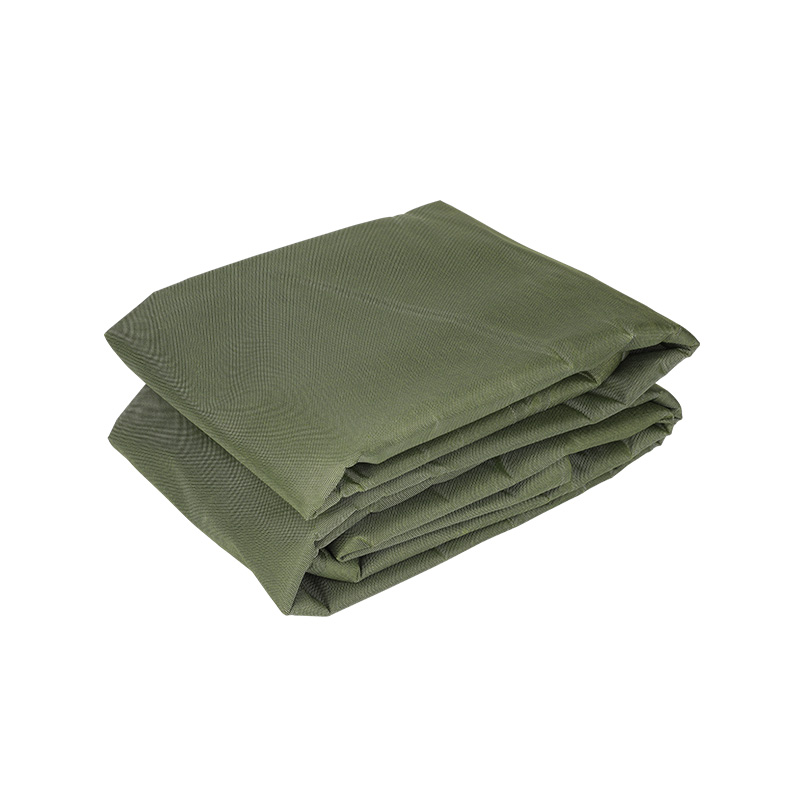
Outdoor Car and Truck PE Tarpaulins: Where Wind Damage Starts at the Eyelet
Outdoor car and truck PE tarpaulins are bought to protect vehicles from rain, sun, and dust, and most buyers judge them by the fabric’s thickness and its price. The failures that matter happen at the attachment points. A tarpaulin that holds its fabric intact but tears out its eyelets in the first strong wind has failed just as completely as one that lets water through.
The eyelet reinforcement is the first line of defense. The eyelet concentrates the load from the tie-down rope or the bungee cord onto a small area of fabric. A tarpaulin that uses a plain eyelet punched through the base fabric tears out under load. A tarpaulin that uses a reinforced patch or a folded hem with the eyelet set through multiple layers distributes the load and resists tearing. Factories that treat the eyelet as a structural detail rather than a finishing step produce covers that survive the wind.
The corner reinforcement matters even more. The corners carry the highest load when the tarpaulin is tied down, and they are the first place to tear. A corner that is reinforced with a double layer of fabric and a diagonal seam resists the load. One that is simply hemmed tears at the seam. Factories that reinforce the corners as standard produce covers that stay on the vehicle.
The fabric’s tear strength determines how the tarpaulin behaves once a small tear starts. A fabric with a high tear strength resists the propagation of a tear. One with a low tear strength allows a small nick to become a large rip. The weave, the yarn denier, and the coating all affect the tear strength. Factories that specify the fabric for the wind conditions the cover will face produce tarpaulins that hold together.
UV resistance affects the tarpaulin’s service life. A PE tarpaulin that is exposed to sunlight degrades over time, and the degradation reduces both the fabric’s strength and its waterproofing. The UV stabilizer package must be sufficient for the expected exposure. Factories that test the tarpaulin under accelerated weathering produce covers that last more than a season.
The fit affects both the protection and the wind resistance. A tarpaulin that is too large flaps in the wind and abrades the vehicle’s paint. One that is too small leaves the vehicle exposed. Factories that offer a range of sizes keyed to common vehicle dimensions, and that provide tie-down points at the correct locations, produce covers that fit and stay in place.
The market implication is that outdoor car and truck PE tarpaulins compete on eyelet and corner reinforcement rather than on the GSM alone. Buyers who need a cover that stays on the vehicle in the wind need a tarpaulin that is built for the conditions. Factories that treat the reinforcement as a structural requirement are better positioned than those that compete on price alone.