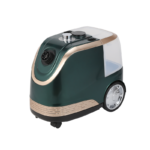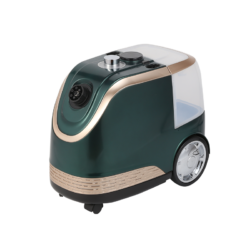
Electric Garment Steamer Factories: The Element’s Sheath Decides the Warranty
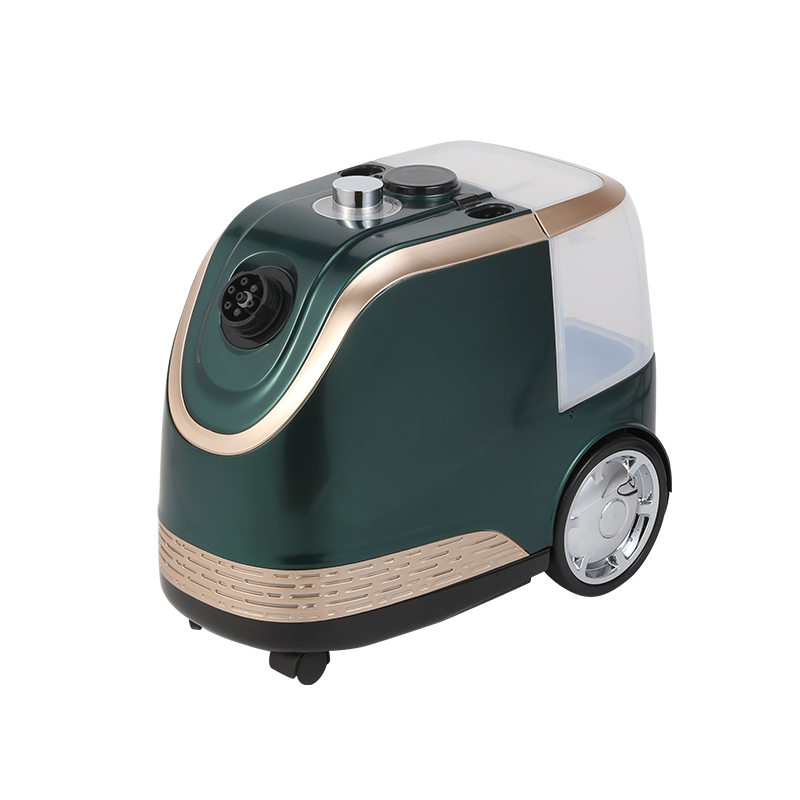
Electric garment steamer factories produce the appliances used in households, hotels, and retail, where the steamer runs for years and the buyer’s satisfaction depends on whether it still produces steam at the rated output after that time. Buyers compare wattage, tank capacity, and heat-up time. The specification that decides the warranty cost is the heating element’s sheath, and it is the component the buyer never sees.
The heating element converts electricity into heat, and it is immersed in water. The sheath separates the element from the water, and its material determines how long the element survives. A bare element corrodes quickly. A sheathed element with a magnesium or titanium coating resists corrosion better, particularly in areas where the water is hard. Factories that specify the sheath material for the target market’s water quality produce elements that last.
Scale is the second factor. Tap water contains minerals that precipitate when heated, and those minerals deposit on the sheath. A layer of scale insulates the element, which raises its temperature and accelerates its failure. It also reduces the steam output, which the user notices as a decline in performance. Factories that design a descaling method into the steamer, or that specify a removable cartridge, give the user a way to maintain the output.
The boiler material affects both scale adhesion and corrosion. Stainless steel resists corrosion and releases scale more easily than aluminum. A plastic boiler reduces cost but may deform at high temperatures. Factories that specify the boiler for the steamer’s duty cycle produce machines that hold up.
The thermostat and the safety cutoff protect the element from overheating. A thermostat that is not calibrated allows the element to run hotter than intended, which shortens its life. A thermal fuse that is not rated for the operating temperature may fail prematurely. Factories that test the thermostat and the fuse under operating conditions produce steamers that are safe and durable.
The steam hose and the nozzle affect the user’s experience and the machine’s safety. A hose that is not rated for the operating temperature may soften or burst. A nozzle that is not sealed may leak steam. Factories that pressure-test the hose and the nozzle produce machines that are safe.
The practical question for a buyer is not the wattage or the heat-up time. It is how the element’s sheath resists corrosion and how the steamer manages scale. Those two answers decide the warranty cost. A steamer that performs on the bench and fails after a year in hard water was built with an element that treated water quality as a detail.