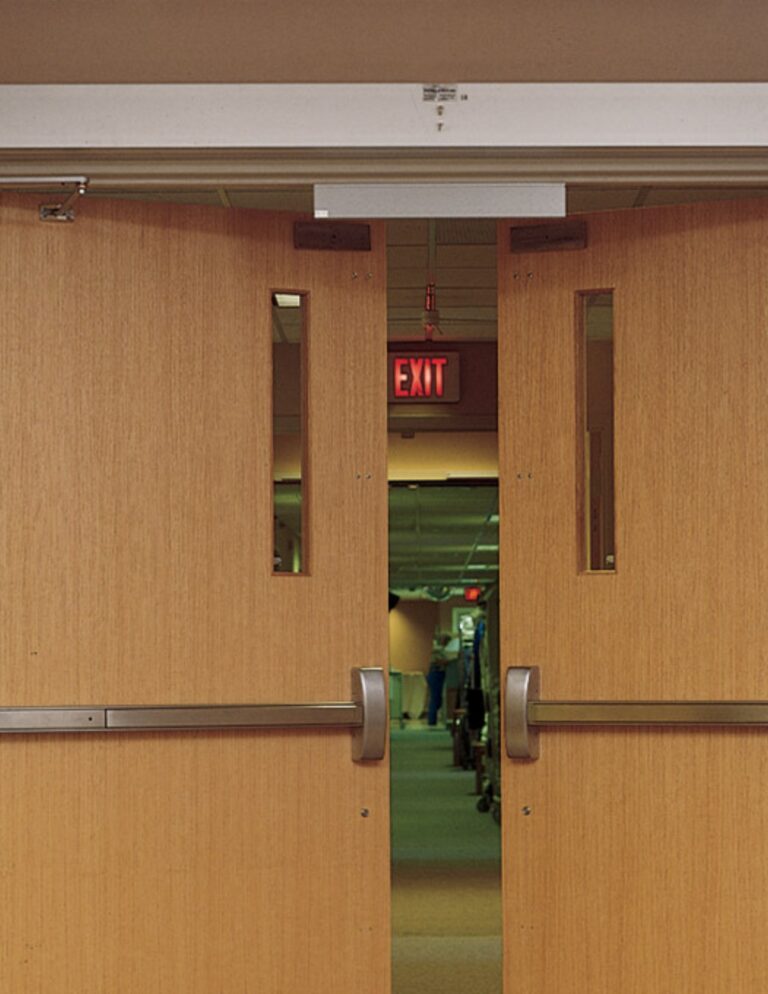
Commercial Fire Exit Doors: A Complete Guide to Safety, Security, and Compliance
Commercial buildings need reliable exit systems to protect employees, customers, visitors, and other occupants during emergencies. Whether you manage an office, retail store, warehouse, restaurant, or industrial facility, choosing the right exit doors is an essential part of building safety. Commercial Fire Exit Doors help people leave a building quickly during a fire or other emergency while supporting the overall fire protection system.
Understanding door types, safety requirements, maintenance needs, and professional installation can help business owners make informed decisions. With the right solutions from DJ Commercial Door, businesses can improve emergency access and maintain dependable commercial door systems.
Why Commercial Fire Exit Doors Are Important
Emergencies can happen without warning, and every second matters when people need to evacuate a building. Properly selected and maintained commercial fire exit doors provide designated escape routes that help occupants move toward safety.
These doors are especially important in buildings with high foot traffic, multiple floors, large workforces, or complex layouts. They should be easy to identify, accessible when required, and suitable for the building’s specific safety needs.
Depending on the building design and applicable regulations, certain exit doors may also need to provide fire resistance, smoke protection, or other protective features. Selecting the correct door system helps businesses support emergency planning and protect the people who use their facilities.
Understanding Different Types of Commercial Exit Doors
Commercial Exit Doors are available in different styles and configurations. The right choice depends on the building layout, occupancy, security requirements, and applicable building codes.
1. Fire-Rated Exit Doors
Fire-rated doors are designed and tested to resist fire for a specified period when installed as part of an appropriate assembly. They can help limit the spread of fire and smoke between designated areas when used correctly.
These doors may be required in stairwells, corridors, service areas, and other locations identified by building regulations. Their ratings, hardware, frames, and closing mechanisms must match the approved application.
2. Panic Bar Exit Doors
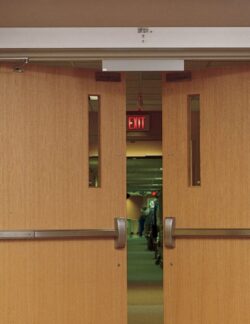
Panic bars allow occupants to open an exit door by pushing a horizontal bar. They are particularly useful in commercial buildings where many people may need to leave quickly.
When correctly selected and installed, panic hardware helps occupants operate an exit without needing to locate a handle or turn a key. Requirements for panic hardware depend on the building’s occupancy and applicable codes.
3. Metal Commercial Exit Doors
Metal doors are commonly used in warehouses, industrial facilities, offices, and service entrances. They can offer durability and security while accommodating suitable fire-rated or non-fire-rated configurations.
The correct construction, hardware, and frame should be selected according to the door’s intended purpose and environmental conditions.
4. Emergency Exit Doors for Retail and Office Spaces
Retail stores and office buildings need practical exit solutions that support everyday operations as well as emergency evacuation. Doors should be positioned and maintained according to the approved building layout and applicable safety requirements.
A professional assessment can help determine which type of exit door is appropriate for each location.
Key Features to Consider When Choosing Commercial Exit Doors
Before purchasing or replacing commercial exit doors, evaluate the following features.
Fire rating: Determine whether the opening requires a listed fire-rated door assembly and identify the required rating.
Exit hardware: Choose suitable handles, panic bars, closers, hinges, and locking systems that meet the applicable requirements.
Ease of operation: Occupants must be able to use required exits without unnecessary difficulty. Doors should not be obstructed or secured in ways that prevent lawful emergency egress.
Durability: Commercial doors should withstand frequent use, weather exposure, and the demands of the facility.
Security: Select hardware that protects the premises while allowing emergency exits to function as required.
Code compliance: Local fire and building codes determine the requirements for exit access, door swing, hardware, accessibility, signage, and fire protection.
Considering these factors helps businesses choose doors that balance safety, performance, and daily convenience.
Installation and Maintenance Matter
Even a high-quality door can become unsafe if it is installed incorrectly or poorly maintained. Commercial fire exit doors should be installed according to the manufacturer’s instructions and the requirements of the applicable building codes.
Fire-rated assemblies require particular attention because changing components or using incompatible hardware may affect their approved performance. Door frames, hinges, closers, latches, seals, and other components should be appropriate for the assembly.
Regular inspections can identify problems before they become serious. Look for damaged hinges, loose hardware, doors that fail to close or latch correctly, visible damage, and obstructions along exit routes. Where fire-rated doors are installed, confirm that required labels remain legible and that the assembly operates as intended.
Businesses should arrange qualified repairs whenever a defect affects safe operation. Exit doors must never be blocked, and locking arrangements must not prevent occupants from leaving as required by law.
Common Problems With Commercial Fire Exit Doors
Several issues can affect the performance of commercial exit doors over time.
Faulty panic hardware: A damaged or sticking panic bar can make emergency operation difficult.
Misaligned doors: Poor alignment may prevent proper closing or latching.
Damaged door closers: A malfunctioning closer can affect the door’s intended operation.
Incorrect locks: Inappropriate locking hardware may interfere with emergency egress or fire door requirements.
Neglected maintenance: Small defects can develop into costly repairs or safety concerns.
Obstructed exits: Stored equipment, furniture, or merchandise can prevent occupants from reaching an exit.
Addressing these problems promptly helps maintain reliable door operation and supports a safer environment for employees and visitors.
How DJ Commercial Door Can Help
Businesses need commercial door solutions that support dependable operation, security, and safety. DJ Commercial Door provides commercial door services for businesses that need professional assistance with their door systems.
If your facility requires new commercial exit doors, fire door service, repairs, or an assessment of existing hardware, working with an experienced commercial door provider can help you identify suitable options. The right service approach considers the building’s requirements, the condition of the existing doors, and the intended use of each opening.
Conclusion
Commercial fire exit doors play an essential role in workplace safety and emergency preparedness. Selecting the correct door type, using compatible hardware, following applicable building codes, and arranging regular maintenance can help businesses keep their exit systems dependable.
From fire-rated assemblies to panic bar hardware, every component should support the intended function of the door. If your business needs assistance with commercial exit doors, DJ Commercial Door can help you explore suitable commercial door service options for your facility.
FAQs 1. What are commercial fire exit doors?
Commercial fire exit doors provide safe evacuation routes and may also help contain fire and smoke when designed as rated assemblies.
2. Which commercial exit doors are best for businesses?
The best option depends on your building layout, occupancy, security needs, and applicable fire and building codes.
3. How often should commercial fire doors be inspected?
Inspection frequency depends on applicable codes, building requirements, and the type of fire door. Follow the required inspection schedule.
4. Can damaged commercial exit doors be repaired?
Yes. Qualified technicians can assess and repair faulty hardware, hinges, closers, and other components when appropriate.