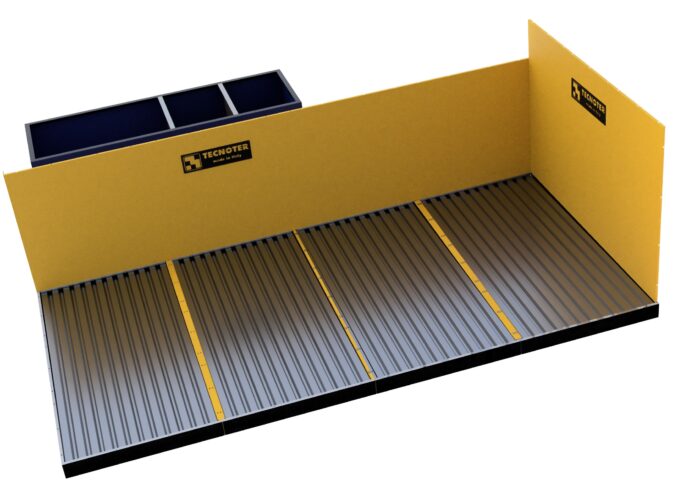
Tecnoter Group: Why Modular Wash Bases Are Changing How Industrial Sites Clean Their Equipment
Cleaning heavy equipment used to mean a hose, a patch of ground, and a lot of muddy runoff. Today, that approach is a liability. Environmental regulations are tighter, water costs are rising, and site managers are under pressure to show that contaminated wash water is captured and treated rather than left to seep into soil or drains. The answer many operators are turning to is a purpose-built, factory-engineered system. Tecnoter Group, at tecnotergroup.com, designs exactly this kind of infrastructure, including modular wash bases that combine cleaning surfaces, water collection, and filtration into one organized solution.
The Problem With Traditional Washing Areas
Many sites still rely on concrete slabs poured on location, or even bare ground, as their washing area. These setups create a chain of problems:
- Uncontrolled runoff. Oil, grease, fuel residues, and sediment wash straight off the equipment and into the surroundings.
- Slow, expensive construction. Poured concrete requires excavation, curing time, and skilled labor before it can be used.
- Fixed location. Once built, a concrete wash pad cannot move when a project ends or a site layout changes.
- High water consumption. Without recycling, every wash uses fresh water that must be sourced and later disposed of.
- Compliance risk. Inspectors increasingly expect documented containment and treatment, which improvised areas cannot demonstrate.
These issues make a strong case for a more engineered approach, one that treats washing as a managed process rather than an afterthought.
What Are Modular Wash Bases?
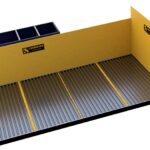
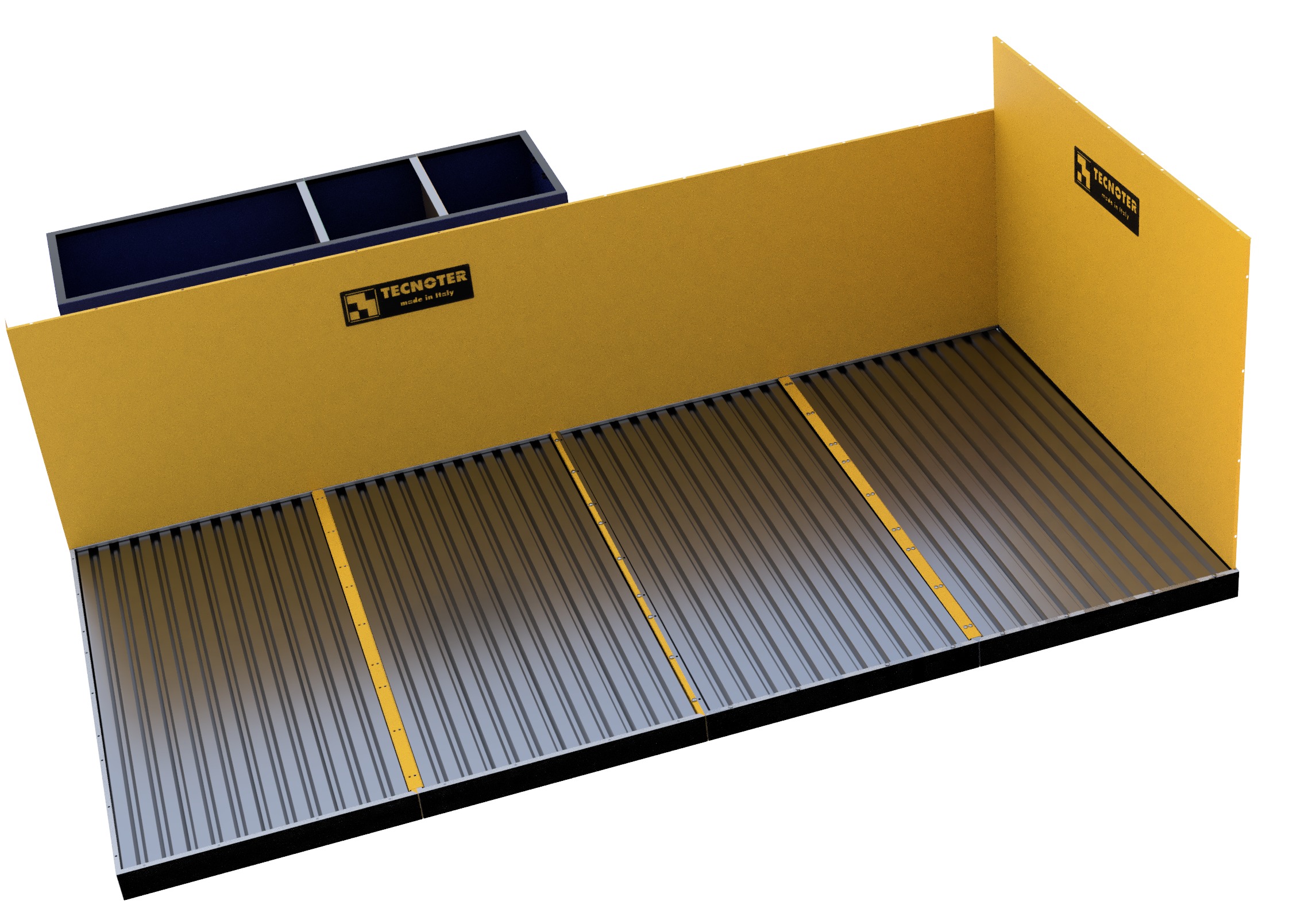
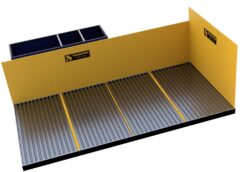
A modular wash base is a prefabricated platform designed to serve as the foundation of an equipment washing area. Rather than building from scratch on site, operators assemble ready-made components that fit together into a complete, functional surface. Because the pieces are standardized and engineered in advance, installation is faster and results are consistent.
Typical characteristics of modular wash bases include:
- Prefabricated construction, reducing on-site work and installation time
- Load-rated surfaces designed to carry trucks, excavators, and other heavy machinery
- Integrated drainage, directing wash water toward collection points rather than letting it spread
- Corrosion-resistant materials, built to withstand constant water, chemicals, and heavy use
- Expandable design, allowing the system to grow or be reconfigured as needs change
This modular logic is what makes the approach so practical: you buy and install what you need today, and adapt later without starting over.
From Wash Surface to Complete Wash Rack System
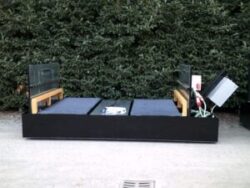
A wash base is only the start. A true wash rack is a complete system, and the real value comes from how its parts work together. A well-designed modular wash rack typically brings together several elements:
- The washing platform, where vehicles or equipment are positioned and cleaned
- Collection channels or sumps, which capture all wash water and sediment
- Filtering groups, which remove solids, oils, and other contaminants from the collected water
- Accumulation units, which store treated or untreated water until it is reused or discharged
- Recirculation components, which return cleaned water to the wash process to cut fresh water use
When these pieces are engineered as a single system, water moves logically from the point of cleaning through treatment and back into use. This closed-loop thinking reduces waste, lowers operating costs, and makes compliance far easier to demonstrate.
Benefits That Matter on Real Sites
Speed. Prefabricated components dramatically shorten the time between purchase and a working wash area, which matters when projects run on tight schedules.
Flexibility. Sites change. A modular system can be extended, rearranged, or relocated, protecting your investment when circumstances shift.
Environmental protection. Containment and filtration keep pollutants out of soil and waterways, reducing legal and reputational risk.
Water savings. Recirculation can greatly reduce the amount of fresh water needed, which is increasingly valuable in regions with scarcity or rising costs.
Lower lifecycle cost. Less civil construction, less water use, and easier maintenance often make modular systems more economical over time than traditional builds.
Consistent quality. Factory-built components follow tested specifications, avoiding the variability of site-poured structures.
Where Modular Systems Make the Biggest Difference
These solutions suit any operation where equipment gets dirty and water must be managed responsibly:
- Construction and civil engineering, where machinery moves between muddy job sites
- Mining and quarrying, dealing with heavy sediment and abrasive materials
- Transport and logistics fleets, which need regular, efficient truck cleaning
- Agriculture and forestry, where equipment must be cleaned to prevent spreading soil and contaminants
- Waste management and recycling, where hygiene and contamination control are priorities
- Municipal and public works, which are held to high environmental standards
Planning Your Wash Area: What to Consider
Before choosing a system, it helps to think through several questions:
- What equipment will be washed, and how often? Weight and volume determine the strength and capacity needed.
- What contaminants are involved? Oil, fuel, and sediment each call for different filtration approaches.
- How much space is available? Layout affects platform size and how components are arranged.
- What are the local discharge rules? Regulations dictate how treated water can be handled.
- Will needs change? If growth or relocation is likely, a modular design adds real value.
Answering these early helps match the system to the site and avoids costly changes later.
Why Work With Tecnoter Group
Tecnoter Group approaches washing infrastructure as an engineering challenge, not a catalog item. By combining wash surfaces, filtering groups, and accumulation systems into coordinated solutions, the company helps operators build wash areas that are efficient, compliant, and built for demanding industrial use. The focus stays on durability, practical design, and systems that fit the way sites actually operate.
Final Thoughts
As environmental expectations rise and water becomes more valuable, improvised washing areas are becoming harder to justify. A purpose-built, modular approach offers speed, flexibility, and control that traditional methods cannot match. If you are planning a new wash area or upgrading an outdated one, explore Tecnoter Group’s modular wash bases and complete wash rack systems to see how an engineered solution can fit your site.
Frequently Asked Questions (FAQ)
1. What is the difference between a wash base and a wash rack? A wash base is the platform surface where equipment is cleaned. A wash rack is the complete system, including the platform plus water collection, filtering, accumulation, and often recirculation components.
2. How quickly can a modular wash rack be installed? Because components are prefabricated, installation is generally much faster than building a poured-concrete wash area, with far less on-site construction.
3. Can the system be expanded or moved later? Yes. A key advantage of modular design is that components can be added, reconfigured, or relocated as site needs change.
4. Does a wash rack help reduce water use? Yes. Filtering and accumulation groups allow wash water to be treated and reused, significantly lowering fresh water consumption.
5. What industries use modular wash racks? Construction, mining, transport, agriculture, waste management, and municipal services commonly use them to clean heavy equipment responsibly.