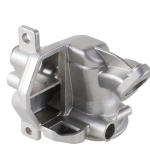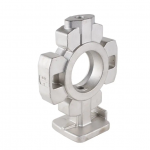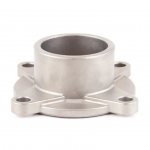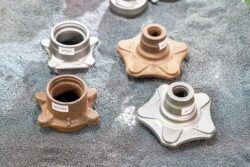
Flanged Ball Valve Casting Parts Manufacturers Focus on Sealing Integrity and Dimensional Precision
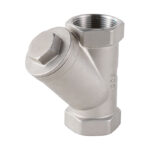
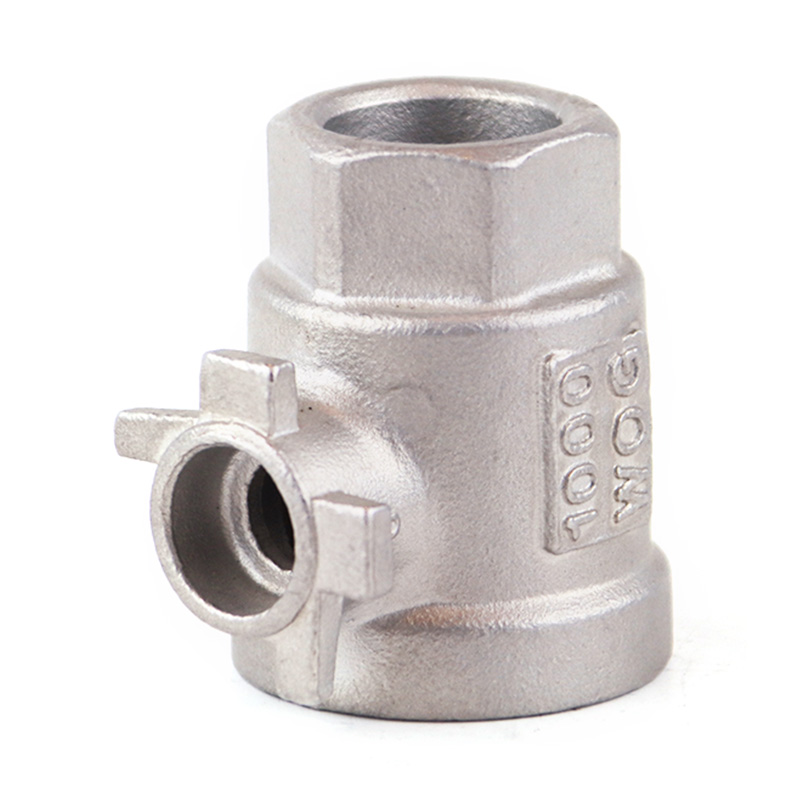
Flanged ball valve casting parts are the foundation of many industrial piping systems, providing the structural body and end connections that allow valves to be securely installed and removed without cutting the pipeline. The flanged ends, which bolt directly to mating pipe flanges, simplify both initial installation and ongoing maintenance. These castings are used across chemical processing, oil and gas, water treatment, power generation, and HVAC systems. The demand for reliable, high-integrity castings has remained steady, supported by infrastructure investment and industrial facility maintenance.
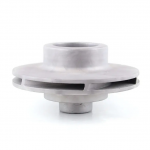
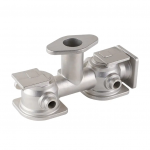
The casting of flanged ball valve parts involves several methods. Investment casting is typically used for smaller valves and complex geometries, offering tighter tolerances and better surface finish. Sand casting is preferred for larger valves and carbon steel grades, as it is more economical for large-scale production. The casting design must account for the pressure rating, temperature range, and the bolting pattern of the flanges. The wall thickness must be adequate to contain the internal pressure without excessive weight. The internal flow path must be smooth to minimize pressure drop and turbulence, which can affect valve performance.
Material selection for flanged ball valve casting parts is determined by the service conditions. Carbon steel is widely used for general industrial applications. Stainless steel grades such as 316 are specified for corrosive environments. Alloy steels and duplex stainless steels are used in high-pressure and high-temperature applications. The material must be compatible with the fluid being handled to prevent corrosion, erosion, or galvanic reactions. The casting must be free from defects that could cause leakage.
Quality control is essential. Castings are inspected for dimensional accuracy, surface defects, and material composition. Non-destructive testing methods, including radiographic inspection, dye penetrant testing, and magnetic particle inspection, are used to detect internal and surface defects. Pressure testing is performed to verify the casting’s integrity. The flanges are machined to match the bolting pattern.
The market for flanged ball valve casting parts includes valve manufacturers, industrial piping contractors, and maintenance operations. The demand is influenced by infrastructure projects and industrial maintenance. Manufacturers continue to focus on casting quality and material integrity. The flanged ball valve casting remains a component in the industrial valve market. Its design and performance characteristics ensure its continued use. The category is expected to maintain steady demand. Manufacturers continue to refine casting processes and quality control procedures.