Plastic Rectangular Food Container Mold Manufacturers Serve Space-Efficient Packaging Needs
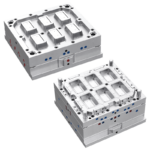
Plastic rectangular food container molds are essential for producing containers that maximize storage and shipping efficiency. The rectangular shape offers better utilization of shelf space and pallet footprint compared to round containers, making it a preferred choice for food processors, meal prep services, and retail packaging. Manufacturers of plastic rectangular food container molds focus on producing multi-cavity tooling that supports high-speed injection molding while maintaining consistent part quality and dimensional accuracy. The demand for rectangular food containers has remained steady across the deli, produce, and takeaway sectors.
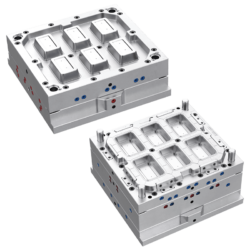
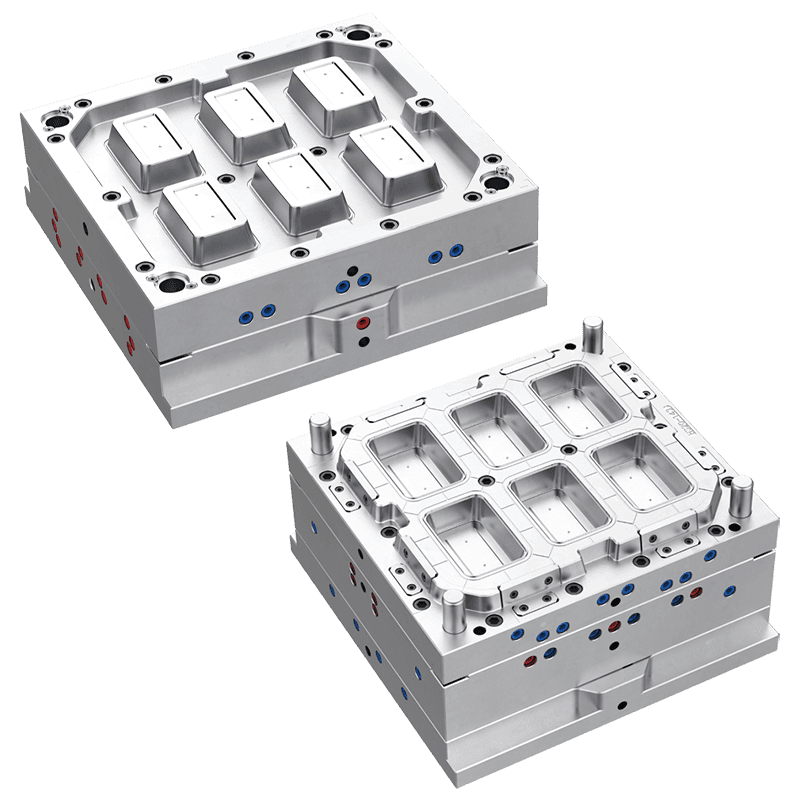
The design of a plastic rectangular food container mold requires careful engineering to address the specific challenges of rectangular geometries, such as wall thickness variations, corner radii, and sealing features. These elements are critical for ensuring structural integrity and leak-proof performance. The gate location and runner system are designed to ensure balanced fill across all cavities, typically 4 to 8 cavities per mold. The cooling system is engineered for rapid and uniform cooling, which reduces cycle time and improves part quality. High-grade tool steel is used to construct the mold, ensuring it can withstand the demands of high-volume production.
Manufacturing plastic rectangular food container molds involves high-precision machining operations, including CNC milling, electrical discharge machining, and wire EDM. The mold components are machined to tight tolerances to ensure proper fit and function. The mold is assembled and tested under production conditions to verify cycle time and part quality. Quality control includes dimensional inspection, surface finish verification, and tryout testing. The hot runner system and ejection system are also tested to ensure they handle the container’s shape without causing deformation.
Polypropylene or polystyrene is typically used for plastic rectangular food containers, selected for their food contact compliance, clarity, and impact resistance. The mold design must account for the material’s shrinkage characteristics and flow behavior at high injection speeds. The cavity surface finish is critical for achieving the desired part appearance and release properties. The mold also includes features to accommodate labeling or printing requirements.
The market for plastic rectangular food container molds includes packaging converters, food processors, and consumer goods manufacturers. Demand is driven by the need for efficient and sustainable food packaging solutions. Manufacturers continue to invest in advanced technologies to meet evolving customer needs. The plastic rectangular food container mold remains a key component in the food packaging supply chain, enabling efficient production of safe and reliable packaging. Its precision, durability, and high-speed production capability ensure its continued relevance in the packaging industry. The category is expected to maintain steady demand as the food packaging industry continues to grow. Manufacturers focus on process optimization and quality control to meet customer requirements.