Gouache Color Watercolor Markers: Where Opacity Changes the Rules
Gouache color watercolor markers combine two mediums that behave differently. Watercolor is transparent and relies on the paper’s white for luminosity. Gouache is opaque and covers what lies beneath. A marker that claims both must reconcile the two, and the specification that decides whether it succeeds is the pigment load.
A gouache marker needs a high pigment concentration to achieve opacity. A light pigment load produces a marker that behaves like a watercolor marker with a gouache color name. The pigment must also be milled finely enough to flow through the nib without clogging, which sets a limit on how opaque the ink can be. Factories that balance opacity against flow produce markers that lay down a solid color while remaining usable.
The binder must support opacity without sealing the surface. A binder that is too strong locks the pigment in place and prevents the rewetting that watercolor users expect. One that is too weak allows the pigment to lift too easily, which defeats the gouache’s covering property. Factories that formulate the binder for the medium’s dual behavior produce markers that cover and can still be blended.
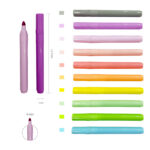
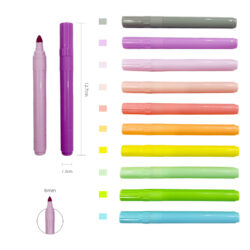
The nib determines how the opacity is delivered. A brush nib releases ink gradually and allows the artist to build up coverage. A bullet nib delivers a heavier, more even layer, which suits flat color. Factories that match the nib to the gouache behavior produce markers that the artist can control.
The paper affects the marker’s performance. A textured paper holds the opaque pigment on the surface, which enhances the gouache effect. A smooth paper allows the marker to sit on the surface and dry slowly, which may cause smearing. Factories that recommend a paper for their markers help the artist get the result the medium promises.
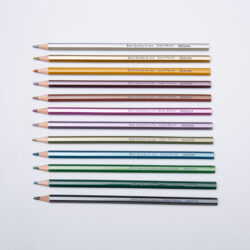
The color range must be consistent across the set. A gouache marker set is used for illustration and design, where the colors must relate to each other. Factories that verify each color against a reference produce sets that work as a system.
The market implication is that gouache color watercolor markers compete on pigment load and binder formulation rather than on the number of colors alone. Artists who need opaque color and watercolor blending need a marker that delivers both. Factories that treat the pigment and the binder as connected design requirements are better positioned than those that treat gouache as a color name on a watercolor marker.