How to Evaluate an Intelligent Capacitor Online Monitoring System Supplier
What core monitoring parameters define system capability
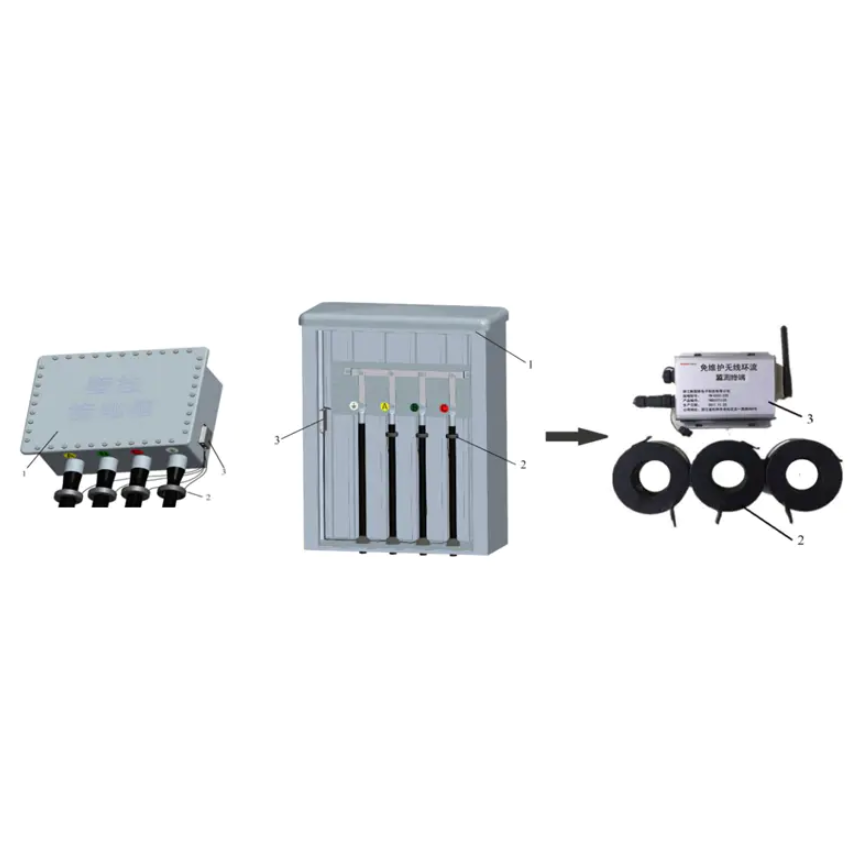
A professional supplier of an Intelligent Capacitor Online Monitoring System focuses on capturing critical real-time data points that indicate capacitor bank health and grid performance. Core parameters typically include capacitance and tan delta (loss angle) measurements for dielectric assessment, precise monitoring of reactive power output, and three-phase current/voltage fundamentals and harmonics. Advanced systems also track internal temperature via embedded sensors, bushings and contact status, and ambient environmental conditions. The breadth and accuracy of these measurements form the foundation for predictive maintenance and operational reliability.
How is data acquisition, communication, and integration architected
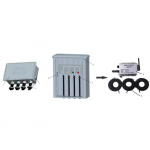
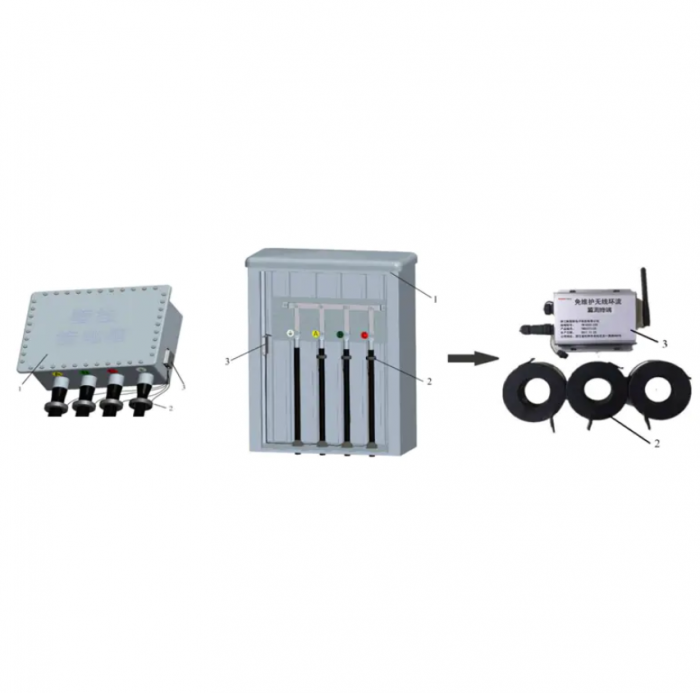
The intelligence of the system hinges on its data framework. A robust Intelligent Capacitor Online Monitoring System employs reliable sensors and measurement units installed at each capacitor bank or phase. This data is transmitted via industrial communication protocols like IEC 61850, Modbus, or DNP3 to a local gateway or directly to a cloud/on-premise platform. The system’s architecture should support seamless integration with existing SCADA, EMS, or asset management software, providing unified visualization and analytics rather than operating as a standalone information silo.
What analytical functions and early warning features are included
Beyond data collection, the value lies in analysis. A sophisticated Intelligent Capacitor Online Monitoring System provides algorithms for trend analysis, automatically calculating capacitance drift over time to predict end-of-life. It generates early warnings for key failure precursors, such as rising tan delta values indicating insulation degradation, unbalanced phase currents, or excessive harmonic distortion causing overload. The system should offer configurable alarm thresholds and generate diagnostic reports, shifting maintenance from a schedule-based to a condition-based paradigm.