Key Functions of Mold Safety Lock
Understanding the Role of Mold Safety Locks
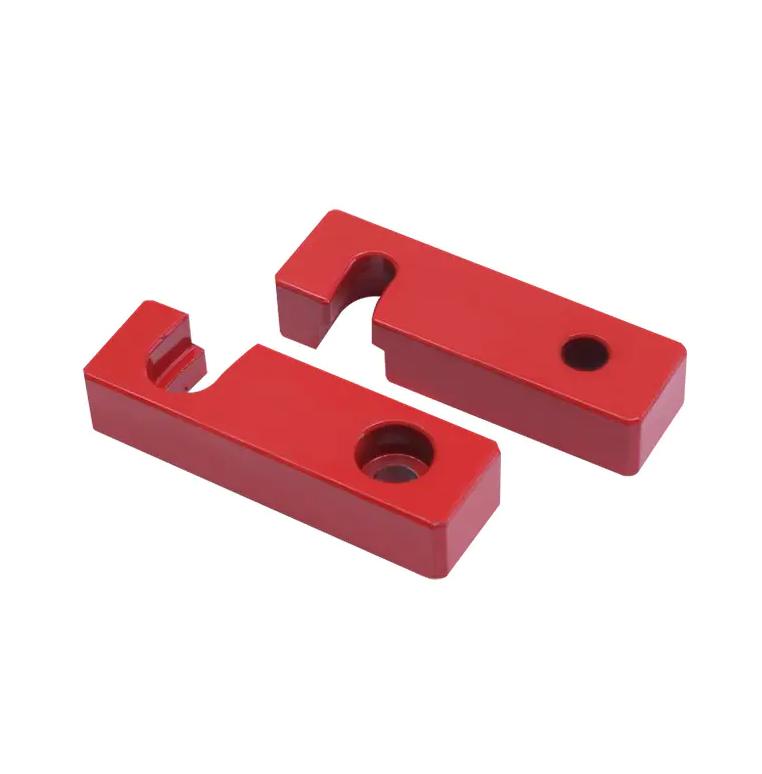
A Mold Safety Lock is a precision-designed mechanical component used to keep the mold halves securely aligned during opening and closing operations. It helps prevent misalignment and damage when the molding machine applies strong clamping and separation forces. By ensuring precise positioning, a Mold Safety Lock protects the mold from unnecessary wear and supports stable mass production.
Preventing Mold Damage and Misalignment
Injection molding requires accurate mold alignment to produce high-quality parts. Without a dependable Mold Safety Lock, the mold plates may shift, causing scratches, dents, or core misalignment. This can lead to costly repairs and production interruptions. The lock firmly secures the mold halves during operation, reducing the risk of structural damage and maintaining the mold’s long-term integrity.
Ensuring Smooth Mold Opening and Closing
During high-speed production, molds open and close thousands of times. A Mold Safety Lock stabilizes the moving plates and prevents unexpected shifts caused by uneven force, injection pressure, or vibration. This stability ensures the mold operates smoothly, reducing frictional wear and extending the lifespan of critical mold components such as guide pins, bushings, and cores.
Improving Product Accuracy and Quality
Even slight deviations in mold positioning can cause defects such as flash, uneven walls, dimensional errors, or surface imperfections. With a Mold Safety Lock, the mold maintains precise alignment throughout the entire molding cycle. This consistency ensures every molded piece meets strict tolerance requirements, resulting in higher product quality and reduced reject rates.