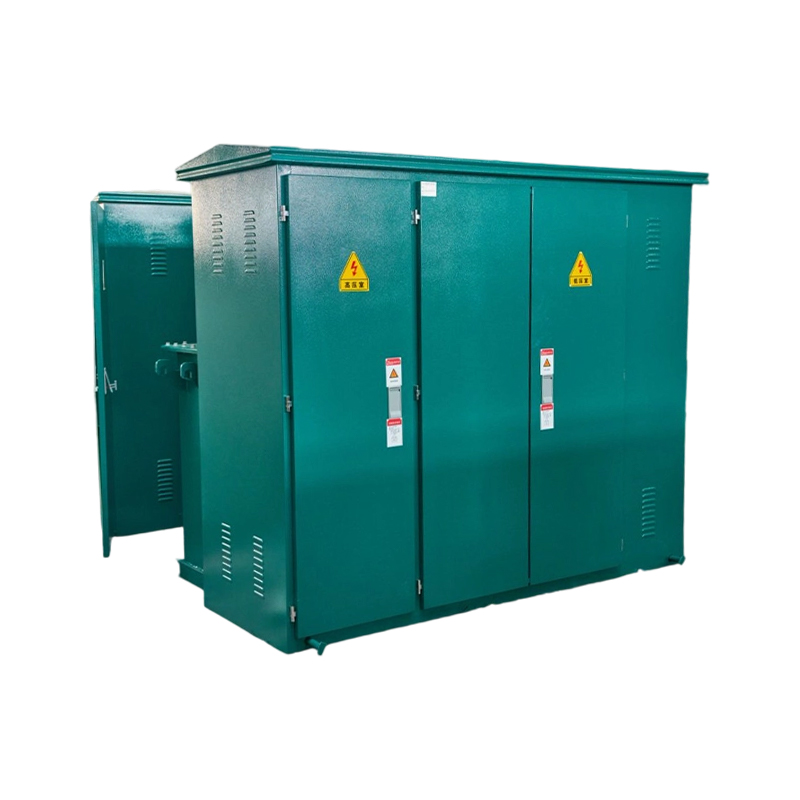
Metal-Enclosed Ring Main Units: Where Arc Containment Defines the Enclosure
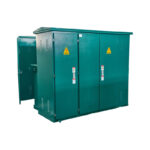
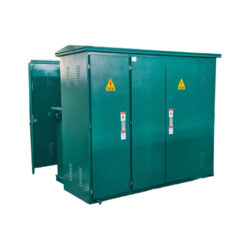
Metal-enclosed ring main units sit at the nodes of medium-voltage distribution networks, switching and protecting the feeders that supply neighborhoods, industrial parks, and commercial buildings. The enclosure is not simply a housing. It is the component that contains the energy released during a fault, and its design determines whether the unit protects the personnel and the equipment around it or becomes the hazard itself.
Arc containment is the defining requirement. An internal arc fault in a ring main unit releases a large amount of energy in a fraction of a second, and the enclosure must withstand the pressure and the temperature without rupturing. The enclosure’s thickness, its construction, and its pressure relief arrangement determine whether it contains the arc. A unit that is built to a lower arc rating may pass a routine test and fail under a real fault. Factories that design the enclosure for the specified arc rating and that test it under the standard’s conditions produce units that protect the installation.
The switching technology affects both the enclosure design and the maintenance requirements. A unit may use SF6, vacuum, or air insulation for the switching elements. SF6 allows a compact enclosure but requires gas monitoring and handling procedures. Vacuum avoids the gas but requires a larger enclosure for the same rating. Air insulation is the simplest but the largest. Factories that match the switching technology to the application and the available space produce units that suit the installation.
The busbar and the cable termination arrangements affect both the unit’s footprint and its connection options. A ring main unit may have two ring switches and a circuit breaker, or a different combination, and the cable entries must be arranged so that the incoming and outgoing cables can be connected without interference. Factories that design the busbar and the terminations for the typical installation produce units that are practical to connect.
Interlocking is the safety feature that prevents an operator from opening a compartment while it is energized or from closing a switch into a fault. The interlock must be mechanical, so that it works even if the control power fails. Factories that design the interlock as part of the switching mechanism, rather than as an add-on, produce units that protect the operator.
The market implication is that metal-enclosed ring main units compete on arc containment and interlock reliability rather than on the compactness of the enclosure alone. Utilities and industrial users need a unit that contains a fault and protects the operator. Factories that treat the enclosure, the switching technology, and the interlock as connected design requirements are better positioned than those that treat them as separate components.