Copper-Wound Inverter Generators: Why the Winding and the Inverter Have to Be Designed Together
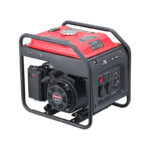
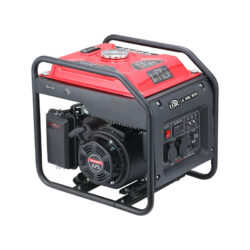
Copper-wound inverter generators combine two technologies that are often discussed separately but must work as one system. The copper winding determines how efficiently the alternator converts mechanical energy into electrical power, and the inverter determines how cleanly that power is delivered to sensitive equipment. A generator that excels at one but not the other delivers an output that either wastes fuel or damages the devices it is meant to protect.
The copper winding’s advantage is straightforward. Copper has lower resistance than aluminum, so less energy is lost as heat in the alternator. That means the engine’s output reaches the load rather than warming the windings. It also means the insulation runs cooler, which extends the alternator’s service life. In a portable generator that runs for hours during a power outage or a job site shift, the thermal margin that copper provides is the difference between a unit that lasts for years and one that needs rewinding after a few seasons.
The inverter’s job is to take the alternator’s variable output and convert it to a stable AC waveform. This requires a rectifier, a capacitor bank, and a control circuit that responds to load changes. The inverter’s response time determines whether the voltage stays within specification when a tool or an appliance starts. A slow inverter allows the voltage to sag, which can reset a computer or stall a motor. A fast inverter maintains the output, which is why inverter generators are preferred for electronics and for tools with sensitive controls.
The two technologies interact in the starting capacity. A motor draws a surge of current when it starts, and the alternator must supply that surge without dropping the voltage so far that the inverter shuts down. A copper-wound alternator with a well-matched inverter can supply the surge and recover quickly. An aluminum-wound alternator with the same inverter may not, because the higher resistance limits the current it can deliver.
The engine must be matched to both. An engine that is too small cannot maintain speed under the surge load, which causes the frequency to drop and the inverter to lose regulation. An engine that is too large adds weight and fuel consumption. Factories that match the engine, the alternator, and the inverter as a system produce generators that deliver their rated output reliably and quietly.