Washing Machine Connection Line: Terminal Retention and Moisture Sealing Define Appliance Safety
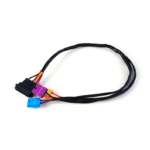
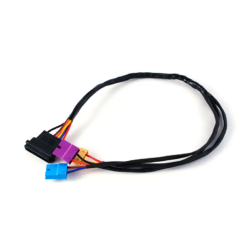
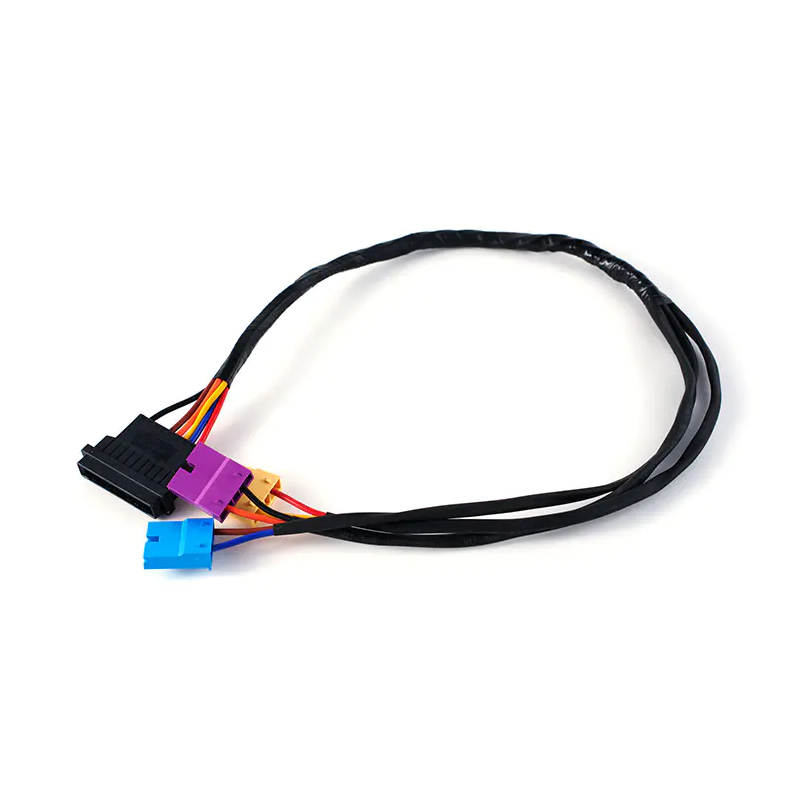
Washing machine connection lines link the motor, the control board, the door lock, the water valve, and the sensors inside a laundry appliance. These lines carry power and signal currents, and they operate in an environment where moisture, vibration, and temperature variation are constant. The line’s performance depends on two specifications that buyers weigh heavily: the terminal retention and the moisture sealing. Those two factors determine whether the connection holds through the appliance’s service life and whether moisture reaches the electrical contacts.
Terminal retention is the specification that determines whether the connection stays secure. The terminals are crimped to the conductors and inserted into the connector housings, and they must maintain contact through the vibration of the spin cycle and the movement of the drum. A terminal that is not crimped properly may loosen, which creates an intermittent fault. One that is not locked into the housing may back out during assembly or service. Factories that control the crimp dimensions and the terminal locking produce lines that hold their connection.
Moisture sealing is the specification that determines whether water reaches the contacts. A washing machine produces steam and splashes, and the connection line is often routed near the water valve and the drain system. The connectors must be sealed against moisture ingress, and the seals must maintain their properties through the appliance’s temperature cycles. A connector that is not sealed properly allows moisture to reach the terminals, which corrodes them and creates a short circuit. Factories that specify the seal material and that test the connector’s sealing produce lines that resist moisture.
The conductor and the insulation affect both the current capacity and the line’s durability. The conductor gauge must be sized for the motor and the heater currents, and the insulation must resist the temperatures and the detergents the line encounters. A conductor that is too thin heats up under load. Insulation that is not rated for the temperature may crack and expose the conductor. Factories that specify the conductor and the insulation for the appliance’s conditions produce lines that perform.
The routing and the length affect the line’s fit and its resistance to abrasion. The line must be routed to avoid sharp edges and moving parts, and its length must allow the components to be assembled and serviced. A line that is too short strains the connectors. One that is too long may chafe against the drum or the cabinet. Factories that design the routing for the appliance’s layout produce lines that fit and last.
The connector and the terminal plating affect the contact resistance and the corrosion resistance. Tin plating is common for power circuits, while gold plating is used for low-signal circuits. The plating thickness and the adhesion determine how the contact performs through thermal cycling and moisture exposure. Factories that control the plating process produce lines that maintain their contact resistance.
The market implication is that washing machine connection lines compete on terminal retention and moisture sealing rather than on the number of circuits. As appliances add more sensors and electronic controls, suppliers who treat the terminal and the seal as connected design requirements are better positioned than those who compete on price alone.