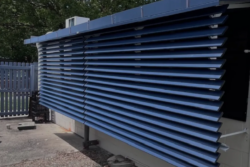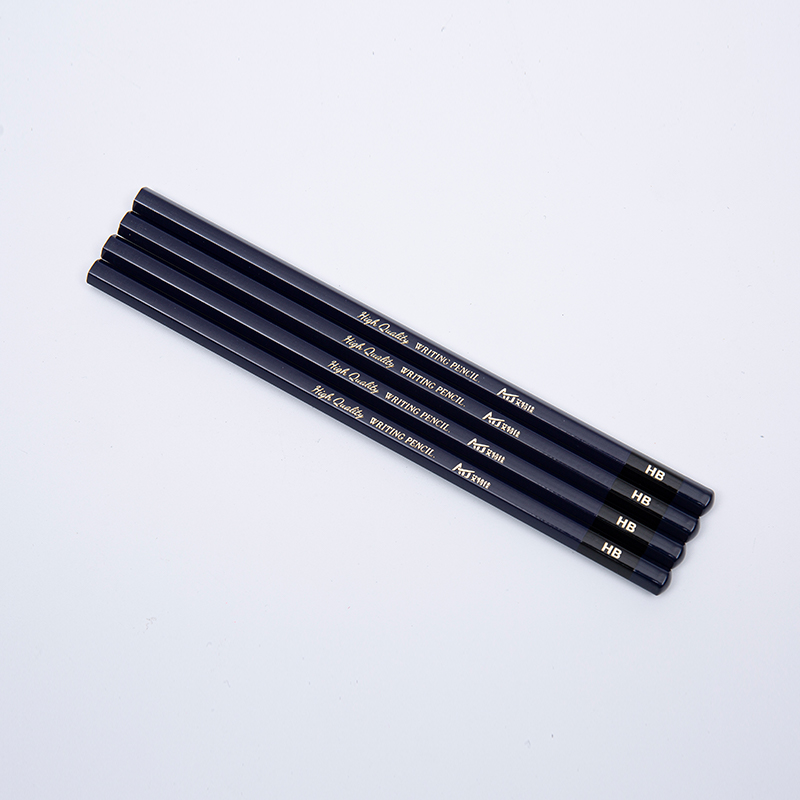
Pencil Slats Manufacturer: The Straightness Decides How the Slats Perform
A pencil slats manufacturer produces narrow, slim slats of uniform width and thickness, used as the repeating ribs in blinds, wardrobe vents, bedding supports, cabinet screens, and shelving liners. Buyers usually compare slat color, surface finish, slat count, and advertised material. The property that decides whether the slats line up evenly and stay flat in the finished assembly is the straightness and consistency of each slat, and it is the part most buyers overlook.
Straightness is the base quality of the slat stock. Each slat must run flat and true along its full length, without bow, twist, or cup along the face. A bowed slat sits higher on one end and lower on the other, breaking the even line of the row; a twisted slat turns its edge toward the viewer instead of presenting the flat face. Warped slats cannot be corrected once mounted, because the frame holds them in place. Controlling the stock so every piece leaves the cutting line straight produces a row that sits level and even.
Thickness and width consistency decide how the slats space apart. Narrow slats depend on matching dimensions to keep equal gaps between neighbors. Pieces that run thicker or wider push spacing uneven, and the row shows alternating tight and loose gaps. Slats cut to a steady width and measured thickness line up across the panel without one rib standing proud. Keeping dimensions within a tight tolerance from first slat to last keeps the assembly regular.
Material grain and stability determine whether the slat stays flat after production. Slats cut against the grain, or from stock not dried or stabilized, relieve internal stress after manufacture and warp over time. A stable material seasoned to the right moisture level holds its shape through seasonal humidity. Selecting stock that moves little under normal conditions, and checking pieces for spring and twist before finishing, keeps the slats flat in use rather than curling months later.
Edge and length finish affect look, handling, and alignment. Slat edges should be sanded smooth and even, with no splinters, rough corners, or slivered ends that catch fabric or hands; sharp edges also wear the finish faster where slats touch. Ends must be cut square and match the stated length, so the panel edge sits flush along the frame instead of showing recessed or protruding pieces. Smoothing edges, removing burrs, and matching length across the batch keeps the row clean and even after mounting.
The coating seals and protects the slat surface. Paint, stain, or finish must cover face and edges evenly without running or pooling, and adhere so it does not peel where slats rub together. It should also hold color steady without fading or blotching indoors. Even coverage on edges as well as faces keeps the slats presentable over time.
Inspect a batch the way it moves from raw stock to finished slats: each piece straight and untwisted, width and thickness holding across the run, edges smooth and lengths matched, finish covering evenly. Those points decide whether the slats form an even, lasting row or end up bowed, gapped, and rough in the final product. A manufacturer that grades stock for straightness and consistency before cutting produces slats that hold the line; one that treats flatness and dimension as secondary details sends out ribs that warp and misalign once assembled.