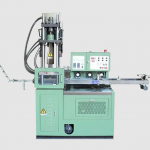
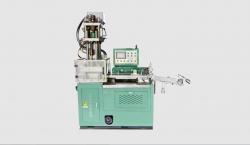
Zipper Types Produced by Injection Molding Machines
The All-in-One Forming Technology
An injection molding zipper machine is distinguished by its ability to form both the continuous zipper teeth and bond them to the tape in a single, integrated process. This method differs from assembling pre-made teeth onto tape. Consequently, the types of zippers it produces are characterized by specific material and design properties suited to this high-volume, monolithic forming technique.
Vislon/Toothlock (Molded Plastic) Zippers
This is the most direct and common product of an injection molding zipper machine. The machine produces the classic, individual plastic teeth (often in shapes like “canoe” or “zigzag”) that interlock. These teeth are molded directly onto the woven polyester or synthetic tape that is fed through the machine. The molten plastic from the injection unit flows into a precision mold that shapes the tooth and encapsulates the tape edge, creating a strong mechanical bond. This process is ideal for jackets, bags, and luggage where a robust, locking zipper is required.
Nylon Coil Zippers via Monofilament Co-Extrusion
While traditional nylon coil zippers are often made by coiling a monofilament, advanced injection molding zipper machine technology can produce a similar product through a specialized co-extrusion molding process. In this method, molten nylon is extruded through a die to form a continuous, uniform coil directly onto the tape. The injection molding zipper machine controls the coil’s shape, size, and pitch as it is formed and fused to the tape substrate. This allows for high-speed production of continuous coil zippers with excellent consistency.
Invisible and Decorative Zippers
The precision of injection molding enables the production of invisible zippers, where the coil or teeth are designed to be concealed behind the tape when closed. The mold in the injection molding zipper machine is engineered to form the unique curl of the tape and the precise tooth profile needed for this hidden function. Similarly, the process is highly effective for creating decorative zippers with colored or metallic teeth, as the plastic compound can be easily customized with pigments.