Clear vs. Tinted Blue Light Blocking Lenses
Two Distinct Technological Approaches
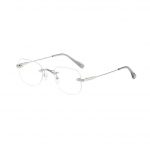
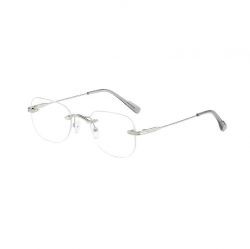
The visual difference between clear and tinted lenses points to a fundamental distinction in how they achieve blue light filtering. Both types from a blue light blocking glasses manufacturer serve the same broad purpose, but their methods, effectiveness for specific wavelengths, and impact on visual perception differ significantly. Understanding this helps users select the right type for their needs, whether for all-day screen use or targeted evening wear.
Clear Lenses with Blue Light Filtering Coatings
These lenses appear virtually transparent. The filtering capability is provided by a specialized multi-layer anti-reflective (AR) coating applied to the lens surface. This coating is engineered to reflect a specific range of high-energy blue light (typically in the 400-455nm range) while allowing other wavelengths to pass through.
Appearance & Use: They look like regular clear glasses, making them socially and professionally unobtrusive for all-day wear in offices or classrooms.
Targeted Protection: The coating technology can be precisely tuned to target the most potentially disruptive blue-violet light without significantly altering color perception. They are excellent for general digital eye strain relief during daytime and evening screen use.
Limitation: The level of filtering is generally lower than a solid tint (often blocking 10-40% of target blue light), as the coating must balance filtration with clarity.