Electric Garment Steamer Factory: Heating Element Life and Scale Management Determine Warranty Costs
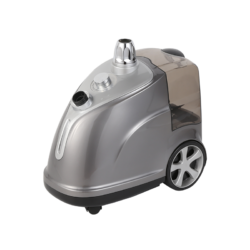
Electric garment steamer factories produce appliances that are used repeatedly over years, and the two components that generate the most warranty claims are the heating element and the water system. The heating element determines how long the steamer produces steam at the rated output. The water system determines whether scale builds up and reduces that output over time. Factories that control these two areas reduce their warranty costs and build a reputation for reliability that supports repeat orders.
The heating element is the component that converts electricity into steam. It operates at high temperature and is exposed to water, which creates conditions that promote corrosion and scale formation. A heating element that is not protected by a corrosion-resistant coating will fail prematurely, particularly in areas where the water is hard. A sheathed element with a magnesium or titanium coating resists corrosion better than a bare element. Factories that specify the element based on the water quality in the target market, rather than using a single element for all markets, reduce the failure rate.
Scale management is the second factor that determines the steamer’s service life. Tap water contains minerals that precipitate when the water is heated, and those minerals deposit on the heating element and the boiler walls. A layer of scale insulates the element, which raises its temperature and accelerates its failure. It also reduces the steam output, which the user notices as a decline in performance. Factories address scale through several approaches: a removable descaling cartridge, a self-cleaning cycle, or a design that allows the user to descale the boiler manually. Factories that provide a clear descaling method and document it in the manual reduce the number of units returned for poor performance.
The boiler material affects both scale adhesion and corrosion resistance. Stainless steel resists corrosion and releases scale more easily than aluminum. Some factories use a plastic boiler to reduce cost, but plastic can deform at high temperatures and may not be suitable for continuous use. Factories typically select the boiler material based on the steamer’s duty cycle and the target market’s water quality.