How to Choose a Reliable Car Air Flow Sensor Replacement Supplier
What defines the compatibility and accuracy of a replacement sensor
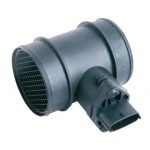
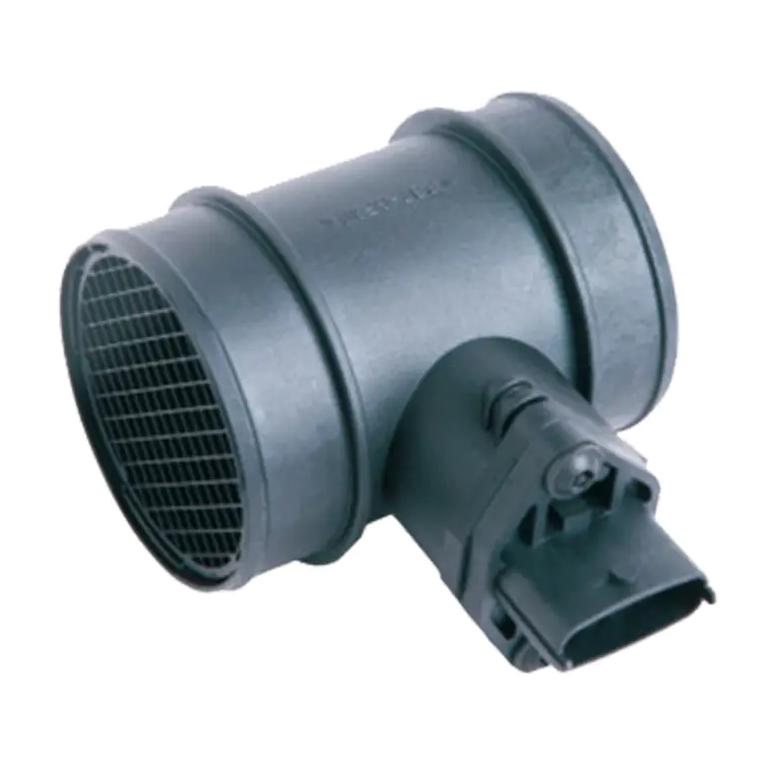
A reliable supplier of Car Air Flow Sensor Replacement parts must ensure their products precisely match the vehicle’s original specifications. This involves more than just physical fit; the sensor must accurately translate air volume and density into an electrical signal the engine control unit expects. Suppliers should provide comprehensive application guides or a robust lookup system based on the vehicle’s make, model, engine code, and year. The sensor’s calibration curve must be engineered to deliver data within the original equipment’s tolerance range, as even minor deviations can disrupt air-fuel mixture calculations.
How is product durability and performance validated
Given its critical role in engine management, a Car Air Flow Sensor Replacement must withstand harsh under-hood conditions. A credible supplier subjects components to environmental testing, simulating exposure to temperature extremes, vibration, and contaminants like oil mist and moisture. Performance validation includes bench testing against known airflow standards to verify signal output linearity and response time. These processes help ensure the sensor provides stable, reliable data over its intended service life, preventing issues like rough idling, power loss, or increased emissions.
What technical support and installation guidance is provided
Proper installation is crucial for sensor function. A professional supplier offers clear technical documentation, including wiring diagrams and torque specifications for mounting screws. They may provide diagnostic tips to help distinguish a faulty sensor from other issues like vacuum leaks or dirty air filters. For distributors and workshops, access to detailed technical bulletins or direct engineering support can be invaluable for resolving complex application questions and ensuring correct part selection.