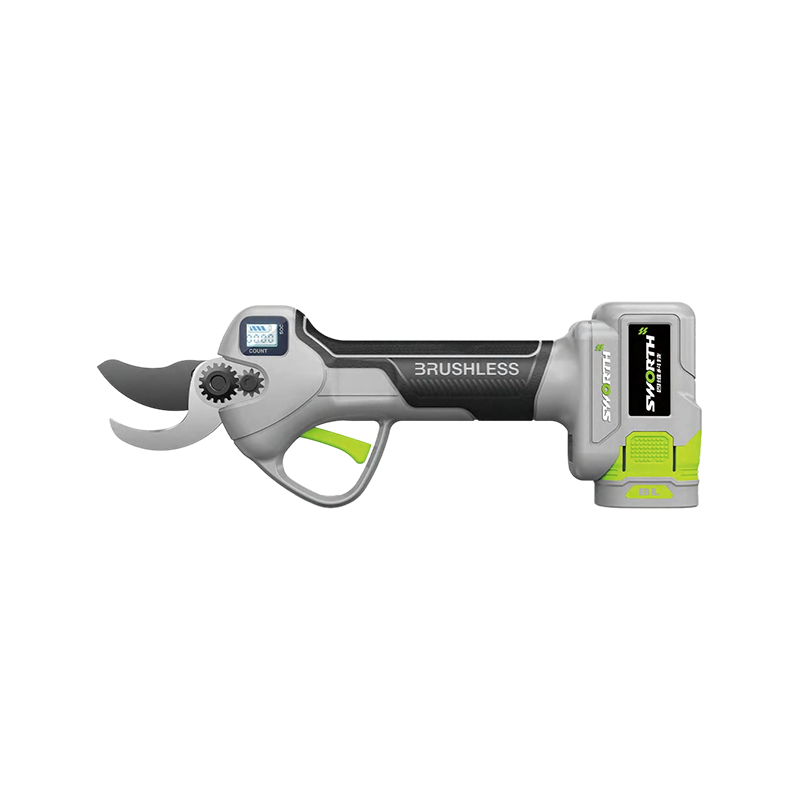
Portable and Lightweight Pruning Shears: The Weight Balance Decides the Comfort
Portable and lightweight pruning shears are compact handheld cutters carried in a pocket, belt pouch, or apron and used one-handed through a long day of trimming. They are used in gardening, orchards, vineyards, landscaping, and nursery work, where the worker moves between plants and reaches for the tool repeatedly. Buyers usually compare blade steel, cutting capacity, handle color, and look. The specification that decides whether a light shear stays easy to carry and still feels solid in the hand is where the weight is saved and how that balance sits during the cut, and it is the part buyers evaluate least.
Lightness comes from removing material without weakening the structure. The handles, body, and jaw housing can be thinned or shaped, but the areas that carry load around the pivot and blade must stay full enough to resist bending. A shear that is over-thinned flexes under pressure, the blade drifts off line, and the cut crushes the stem. Removing material only where stress is low, and keeping the load paths thick, keeps the tool light without feeling flimsy.
The balance point determines how the weight feels in use. A shear heavy in the blade end leads the hand forward and tires the wrist over hundreds of cuts; one heavy in the handles hangs awkwardly when carried. A well-balanced tool sits close to the grip, so the weight follows the hand rather than pulling away. Matching head weight to handle length, and trimming material from the non-working ends, produces a shear that lifts easily and controls itself through the squeeze.
Portability depends on size and secure storage. The closed length must fit a pocket or pouch, and the latch must hold the jaws shut so the blade does not open against the fabric. A carry clip or loop lets the tool attach to a belt or apron for quick reach. Any folding part must lock firmly when open, so the tool does not shift mid-cut, and close neatly without catching on clothing.
The grip matters more on a light tool. With little mass to steady the hand, a smooth or narrow handle twists in the palm, and the worker must squeeze harder to hold it. A shaped grip with secure contact keeps the shear aligned with the hand through each cut, reducing the force needed and preventing slip. Lightness should not come at the cost of a secure hold.