What to Consider When Sourcing from a Car Mat Manufacturer
What materials and production methods define product tiers
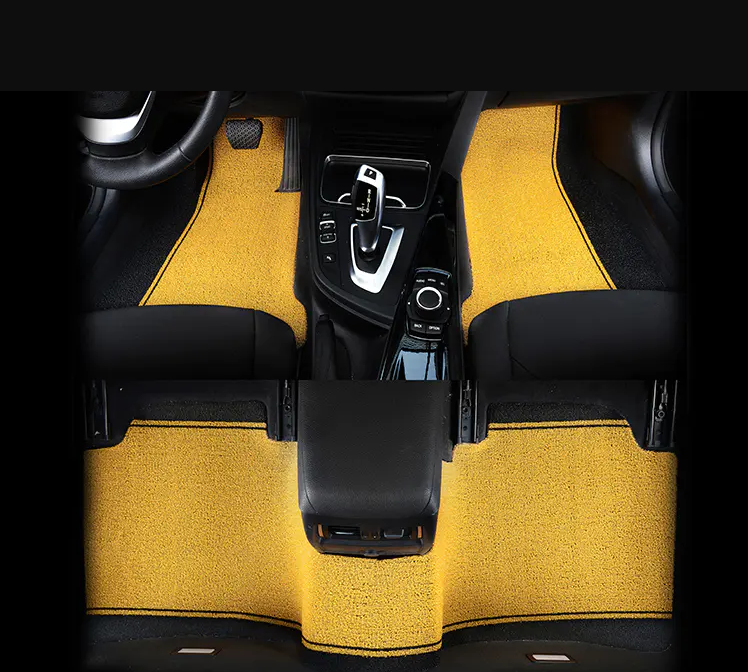
A professional Car Mat Manufacturer utilizes different materials and techniques for various market segments. Standard mats are often made from thermoformed PVC or rubber, while premium offerings use advanced thermoplastic elastomers, eco-friendly TPE, or custom-molded textile carpet composites. Production methods range from injection molding for precise, 3D-fit all-weather mats to computerized cutting and binding for plush carpet mats. The manufacturer’s expertise in material formulation and molding technology directly impacts the mat’s durability, flexibility, odor control, and precise vehicle-specific fit.
How are safety and functional features engineered
Safety is a primary design consideration. A responsible Car Mat Manufacturer engineers mats with non-slip backing—using anchor points, anti-skid nibs, or proprietary adhesive systems—to prevent interference with pedal operation. Functional design includes raised edges to contain liquid and debris, coverage of high-wear areas like the driver’s heel pad, and compatibility with factory retention hooks. For electric vehicles, considerations may include compatibility with flat flooring and specific material resistivity. These features are validated through fitment checks and durability testing.
What customization and OEM support capabilities are available
Beyond universal mats, a capable Car Mat Manufacturer specializes in Original Equipment or precise aftermarket fitments. This involves creating digital floor contours from vehicle scans, developing custom injection molds for specific models, and offering a wide range of color, trim, and logo customization. For brands, services include private-label manufacturing, tailored packaging, and inventory management for seasonal or regional vehicle portfolios. The manufacturer’s tooling capacity and design partnership approach determine their value as a strategic supplier.
How does the manufacturer ensure quality control and compliance
Quality assurance spans material intake to final packaging. A systematic Car Mat Manufacturer tests raw materials for properties like tensile strength and colorfastness. During production, they monitor molding parameters and trim precision. Finished goods undergo checks for dimensional accuracy, backing adhesion, and visual defects. Compliance is critical, with mats needing to meet automotive interior material standards for flammability and volatile organic compound emissions, as well as regional chemical regulations like REACH. Reputable manufacturers provide compliance certificates.
What are the logistical considerations for bulk orders and global supply
Given the bulky nature of car mats, logistics efficiency is key. An experienced Car Mat Manufacturer optimizes packaging to maximize container load, often using vacuum-sealed bundles. They manage just-in-time sequencing for OEM orders and flexible minimum order quantities for the aftermarket. Their supply chain should ensure material availability for large runs, and their export documentation must be precise for smooth customs clearance. For distributors, reliable lead times and regional warehousing options can significantly streamline inventory management and reduce carrying costs.