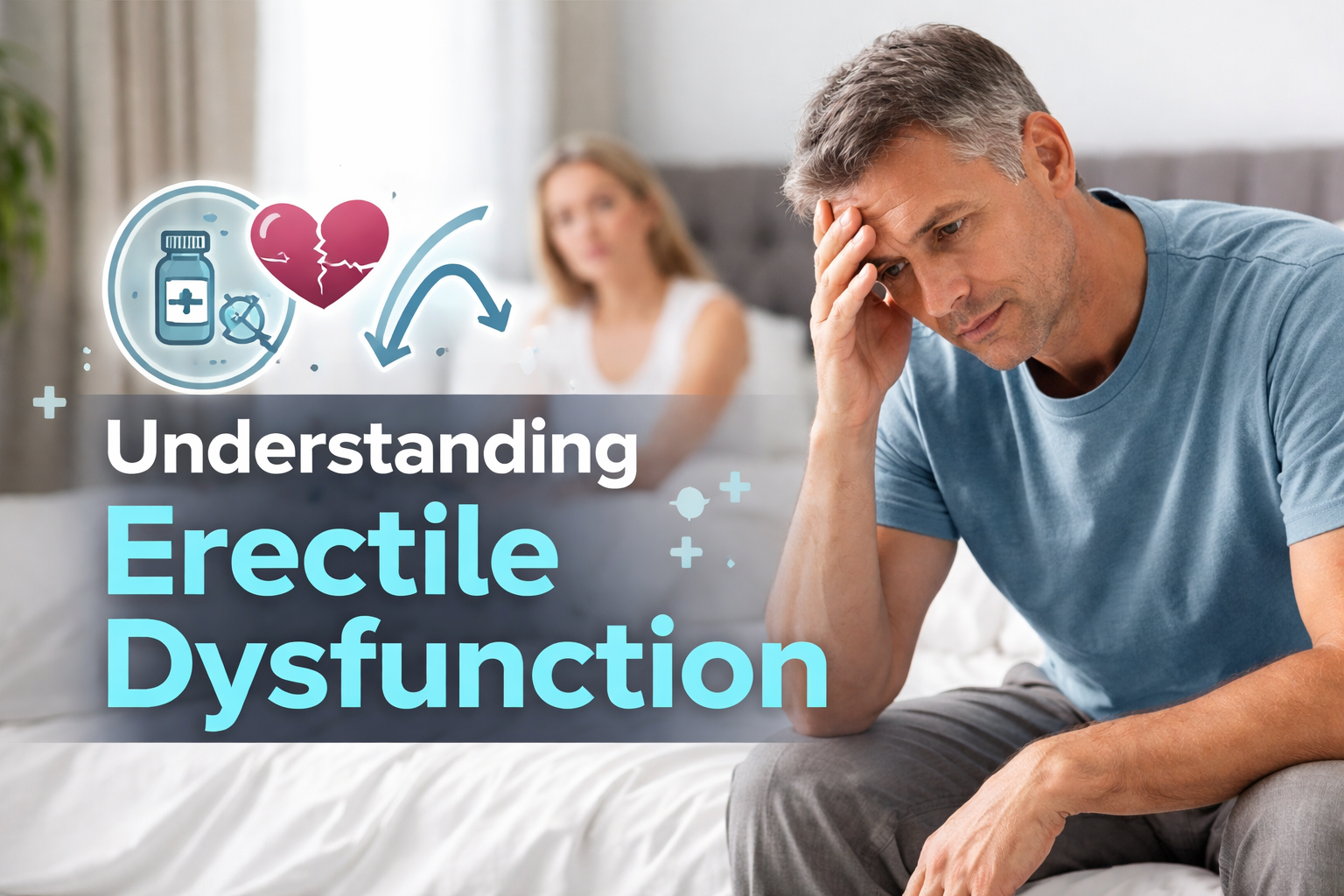
Why Men Avoid Talking About Sexual Health and Why They Shouldn’t
Sexual health is a fundamental part of overall well-being, yet for many men, it remains one of the most difficult topics to discuss openly. Despite advances in medicine, mental health awareness, and public education, conversations around male sexual health are still often avoided, delayed, or completely ignored. This silence can have serious consequences not only for sexual function but also for physical health, emotional well-being, and intimate relationships.
Understanding why men avoid these discussions and why breaking the silence matters is a crucial step toward healthier lives and stronger relationships.
The Cultural Silence Around Male Sexual Health
From a young age, many men are conditioned to believe that strength means self-reliance and emotional restraint. Cultural norms often portray men as problem-solvers who should “handle things on their own,” especially when it comes to personal or intimate issues.
Sexual health challenges such as erectile difficulties, low libido, or performance anxiety can feel like a threat to masculinity. As a result, men may feel embarrassed, ashamed, or fearful of being judged. This mindset discourages open dialogue and reinforces the belief that sexual health issues are a personal failure rather than a common and treatable medical concern.
Fear of Judgment and Social Stigma
One of the most significant barriers to discussing sexual health is fear fear of being judged by partners, peers, or healthcare professionals. Many men worry that admitting to sexual concerns will change how others perceive them or damage their confidence and identity.
Unfortunately, this stigma is often reinforced by unrealistic portrayals of male sexuality in media, which emphasize constant performance, endurance, and desire. These expectations leave little room for vulnerability or honest conversations about challenges that are, in reality, extremely common.
Lack of Awareness and Health Education
Another reason men avoid talking about sexual health is a lack of accurate information. Many are unaware that sexual health issues can be early warning signs of broader medical conditions such as cardiovascular disease, diabetes, hormonal imbalances, or chronic stress.
Without proper education, men may dismiss symptoms as temporary or “normal aging,” delaying medical evaluation. This lack of awareness can lead to untreated conditions that worsen over time, affecting not only sexual health but overall longevity and quality of life.
The Role of Mental Health
Mental health plays a critical role in sexual well-being, yet it is often overlooked. Stress, anxiety, depression, and relationship issues can all contribute to sexual health concerns. When mental health struggles go unaddressed, they can create a cycle where emotional distress worsens physical symptoms, which in turn increases anxiety and avoidance.
Men who are uncomfortable discussing their emotions may find it even harder to talk about how mental health affects their sexual health. This silence can isolate them from support systems that could help break the cycle.
Why Avoidance Can Be Harmful
Avoiding conversations about sexual health does not make problems disappear. In many cases, it allows underlying issues to progress unchecked. Conditions that could have been managed with early intervention may become more complex and difficult to treat later.
Additionally, silence can strain relationships. Partners may misinterpret avoidance as a lack of interest, emotional distance, or dissatisfaction. Open communication fosters understanding, trust, and emotional intimacy key components of healthy relationships.
From a medical perspective, untreated sexual health issues may signal systemic health problems. Addressing these concerns early can lead to timely diagnosis and prevention of more serious complications.
The Importance of Professional Guidance
Healthcare professionals are trained to discuss sexual health confidentially and without judgment. Yet many men delay or avoid seeking medical advice due to embarrassment or discomfort. It is important to recognize that sexual health concerns are among the most common topics addressed in medical settings.
In some cases, doctors may recommend lifestyle changes, counseling, or medical treatments depending on individual health needs. Options such as cenforce 100 may be considered under professional supervision, but it is essential that such treatments are part of a broader, personalized healthcare plan rather than a standalone solution.
Self-diagnosis or unsupervised use of treatments can be risky, particularly for men with underlying health conditions. Professional guidance ensures safety, effectiveness, and long-term health benefits.
Breaking the Silence: Why Men Should Talk About Sexual Health
Open conversations about sexual health can be empowering. They allow men to take control of their health, seek support, and make informed decisions. Talking openly also helps normalize these discussions, reducing stigma for others and creating a culture where seeking help is seen as a strength rather than a weakness.
When men speak honestly with healthcare providers, partners, or trusted individuals, they gain access to solutions, reassurance, and emotional support. This openness can improve self-esteem, relationship satisfaction, and overall quality of life.
How to Start the Conversation
For men unsure where to begin, small steps can make a big difference:
Start by acknowledging concerns privately and recognizing that they are valid
Seek information from reputable health sources
Schedule a confidential appointment with a healthcare professional
Communicate openly with a partner in a supportive, non-judgmental setting
These steps can help transform fear into proactive health management.
Final Thoughts
Avoiding conversations about sexual health is deeply rooted in cultural norms, stigma, and misinformation. However, silence comes at a cost missed diagnoses, strained relationships, and reduced well-being.
Men should not feel alone or ashamed when facing sexual health concerns. By talking openly, seeking professional guidance, and prioritizing both physical and mental health, men can protect not only their sexual well-being but their overall health and future quality of life.
Breaking the silence is not a sign of weakness it is a powerful step toward healthier, more informed living.