How to Select a Stamping Sheet Metal Factory
What production capabilities define a professional factory
A professional Stamping Sheet Metal Factory operates a range of press equipment to handle diverse project needs. This typically includes high-speed mechanical presses for volume production of small to medium parts, larger hydraulic presses for deep drawing and forming, and transfer press lines for complex, multi-stage components. The integration of automated feeding systems, robotic part handling, and in-die sensors for process monitoring are indicators of a modern operation focused on consistency, efficiency, and minimizing manual intervention. The factory’s capacity is measured by its press tonnage, bed size, and available secondary operations.
How is tooling and die maintenance managed for quality assurance
Tooling is the core asset. A proficient Stamping Sheet Metal Factory maintains strong in-house capabilities for die design, fabrication using CNC machining and EDM processes, and maintenance. They implement preventive maintenance schedules to ensure dies produce parts within specification throughout their lifespan. Advanced factories utilize sensorized tooling to monitor press force, part ejection, and wear in real-time. This proactive approach to die management is fundamental for achieving high part quality, minimizing scrap rates, and ensuring the longevity of both the tooling and the press equipment.
What material expertise and finishing services are standard
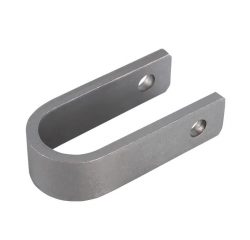
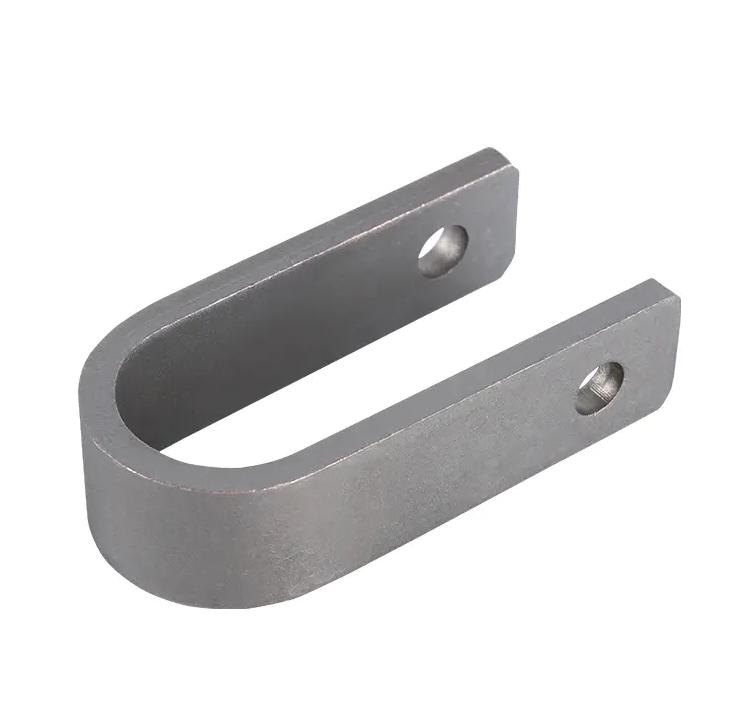
Material knowledge directly impacts part performance. An experienced Stamping Sheet Metal Factory provides guidance on selecting the appropriate sheet metal—considering grade, temper, thickness, and coating—based on the part’s function and post-processing needs. Beyond stamping, they often offer integrated finishing services such as powder coating, plating, anodizing, silk screening, and assembly (including welding and riveting). Offering these value-added services under one roof simplifies the supply chain, improves quality control, and reduces total lead time for the finished component or product.