Lithium Battery Pruning Shear: Cutting Force and Battery Endurance Define the Pruning Session
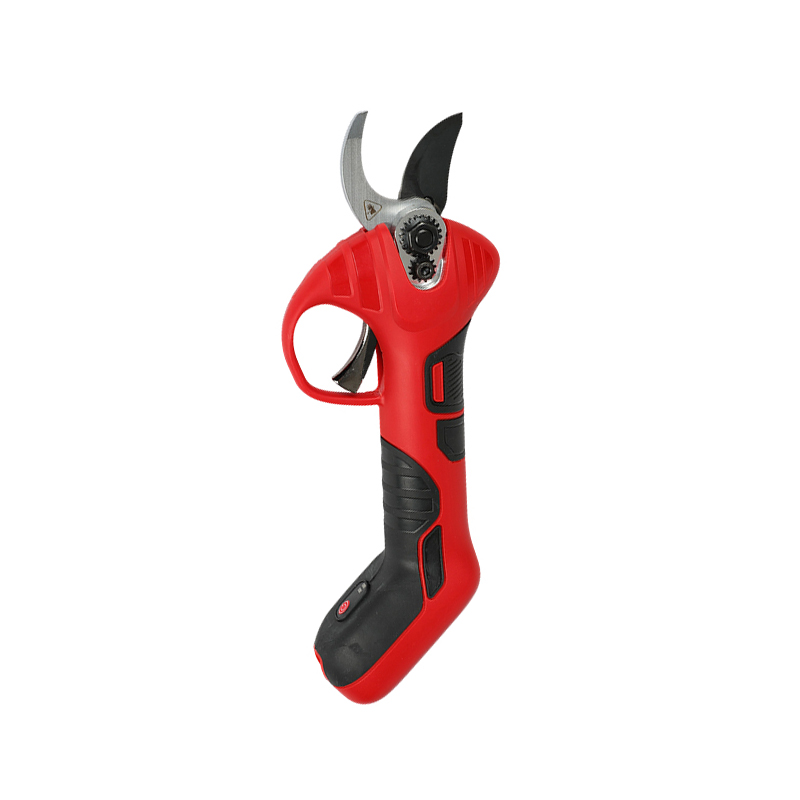
Lithium battery pruning shears are handheld tools that use a rechargeable battery to drive a cutting blade through branches and stems. They are used in orchards, vineyards, gardens, and landscaping, where the operator makes hundreds or thousands of cuts in a session. The tool’s performance depends on two specifications that buyers weigh heavily: the cutting force and the battery endurance. Those two factors determine whether the shear can handle the branches in the work area and whether it lasts through a full day of pruning.
Cutting force is the specification that determines the maximum branch diameter the shear can cut. The force is generated by a motor and a transmission, and it must be sufficient to cut the branch cleanly without crushing it. A shear that is undersized for the branch diameter stalls or leaves a ragged cut, which damages the plant and requires a second pass. One that is oversized adds weight and cost. Factories that match the cutting force to the intended branch size produce shears that cut cleanly and efficiently.
Battery endurance is the specification that determines how long the shear runs on a charge. The endurance depends on the battery capacity, the cutting force, and the number of cuts per minute. A battery that is too small runs out before the session ends, which forces the operator to stop and recharge or to swap batteries. One that is too large adds weight and cost. Factories that specify the battery for the intended work session and that provide a spare battery option produce shears that last through the day.
The blade design affects both the cut quality and the force required. A bypass blade cuts like scissors and leaves a clean cut. An anvil blade cuts against a flat surface and is better for dead wood. The blade’s material, its hardness, and its geometry determine how long it stays sharp and how much force it needs. Factories that match the blade to the branch type and the cutting frequency produce shears that perform consistently.
The ergonomics affect the operator’s fatigue and their control of the tool. The handle must fit the hand and distribute the weight. The trigger must be positioned so that the operator can actuate it without straining. The tool’s balance affects how easily the operator can position the blade. Factories that design the shear for the operator’s hand and posture produce tools that reduce fatigue.