Lithium Battery Impact Wrench: The Impact Mechanism Decides the Torque
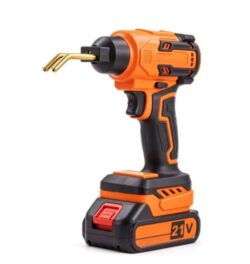
A lithium battery impact wrench is a cordless powered fastening tool that delivers repeated impact blows to turn nuts, bolts, and lug fasteners, used in vehicle service, steel erection, assembly, and equipment repair. Buyers usually compare battery voltage, advertised torque rating, anvil size, and color. The property that decides whether the wrench tightens or loosens fasteners consistently under load is how the impact mechanism transfers its blows to the fastener, and it is the part most buyers overlook.
The hammer-and-anvil mechanism is what makes the wrench work. Inside, a rotating hammer strikes the anvil in short repeated blows, each impact adding torque to the fastener instead of holding a steady continuous drive. The blows must land squarely on the anvil so force goes into turning the nut rather than shaking the body. A worn or loose hammer pair loses impact energy between blows, and the wrench taps weakly without breaking the fastener loose; hardened matched internal parts keep the impact face true over long use. A clean, matched hammer and anvil keep every blow transferring into the fastener.
The anvil carries the blow to the socket. The square drive must sit firmly in the socket, with retention holding the socket on through repeated impacts; a loose socket rides or slips off the anvil under the force of each blow. Retention secured by detent or pin keeps the drive attached, so impact energy reaches the nut instead of wasting in the joint. A secure anvil fit keeps the tool driving the fastener instead of knocking the socket off line.
Torque behavior decides how the fastener is handled. An impact wrench builds force in bursts, so it must keep delivering blow after blow without the mechanism stalling or the fastener freewheeling. Seized or rusted fasteners need sustained repeated impacts to break loose; the wrench should keep striking rather than weakening after the first blows. A consistent impact cycle holds run-up and rundown steady, so nuts come loose and tighten to an even feel rather than catching unevenly.
The lithium battery must supply high current under impact load. Each blow draws a sharp current pulse, and the pack must hold its voltage through those surges instead of sagging as the wrench works. A battery sized only for average draw drops power under impact demand, and blows weaken halfway through a job. Matching pack capacity and discharge to the wrench’s pulse current keeps torque steady through a full run of fasteners.
The body and reaction balance control the tool. Impact wrenches kick back with each blow, so the body must sit balanced in the hand and the grip absorb the reaction rather than twisting the wrist. A poorly centered tool transmits the blow back into the arm, tiring the operator over repeated fasteners. Balancing motor, mechanism, and battery around the handle keeps the wrench steerable and steady through the impact cycle.
Run the wrench on a real fastener rather than free-spinning the anvil: watch whether blows land squarely and break the nut loose, whether the socket stays seated on the drive, whether the battery holds through the impacts, and whether the body absorbs the kickback. Those hammer-anvil match, socket retention, battery pulse, and balance qualities, more than the torque label or voltage, decide whether the impact wrench does real fastening work. A factory that matches the impact mechanism to the anvil, secures the drive, and pairs the pack to the pulse draw sends out wrenches that turn fasteners steady and stay controllable; one that rates torque on paper only delivers tools that tap weakly, shed sockets, or kick back hard in the hand.