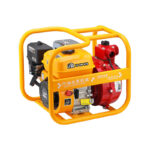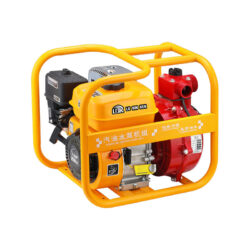
Gasoline Engine Multi-Purpose Water Pump: The Impeller Versatility Decides the Mixed Duty
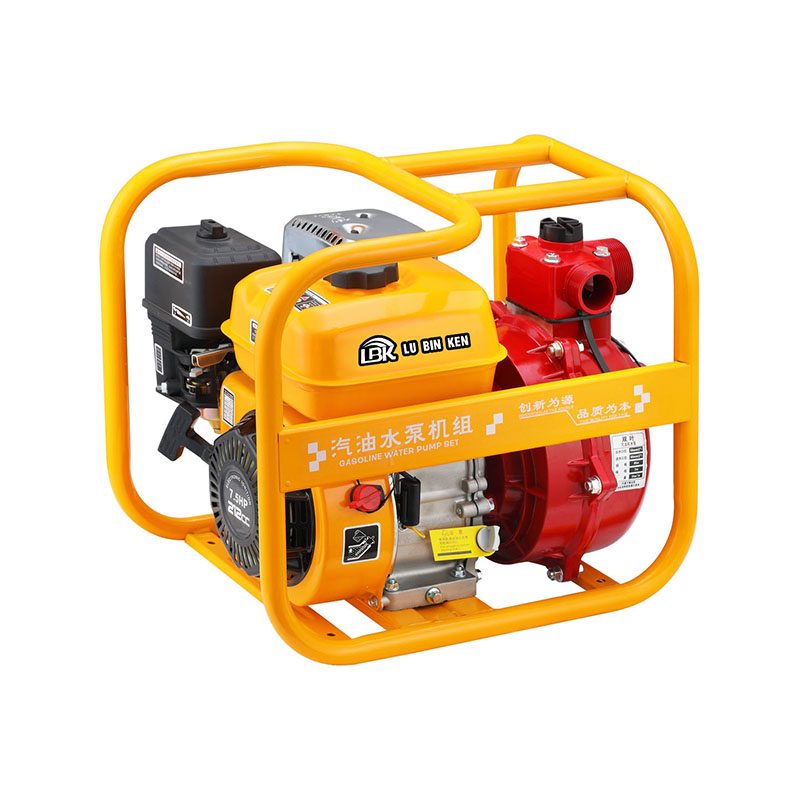
A gasoline engine multi-purpose water pump is a petrol-driven transfer pump built to handle a range of water jobs—irrigation, drainage, clean-water transfer, light dirty-water removal, and site cleanout—rather than a single narrow application. Buyers usually compare engine displacement, outlet diameter, advertised flow, and self-priming claim. The property that decides whether the pump performs reliably across mixed duties, from clean to mildly contaminated water, is the impeller design and its priming reliability, and it is the detail most buyers overlook.
Impeller design suits mixed water. The impeller or vane arrangement must pass clean water and mildly dirty or debris-laden flow without clogging, binding, or wearing fast. A closed fine-clearance impeller blocks on small solids, while an open or semi-open vane design keeps passage for mixed duty; a versatile impeller keeps moving water across the range of jobs the pump is bought for.
Self-priming holds across repeated starts. A multi-purpose pump may be restarted often at different sites and lifts, so the body must prime and hold prime reliably each time rather than needing repeated refilling. A priming chamber that loses its water or traps air stalls the suction after a restart; dependable priming lets the pump lift water from varying levels without fuss.
Volute matches the mixed head and flow. The pump body must balance flow and pressure so it can push water at moderate lift for transfer and still move volume for drainage, rather than tuned to only one point. A volute sized for a single duty drops performance outside that range; a balanced body keeps output usable across the mixed head and flow conditions.
Engine power follows the varied load. The gasoline engine must drive the impeller through clean flow and dirtier, heavier water without bogging when resistance rises. An engine matched to the broad duty range keeps turning whether the pump moves clear water or thicker, debris-laden flow; an undersized power plant strains on the heavier side of the range.
Shaft seal and body protect the wet and dry sides. The seal around the shaft must keep water in the wet end and out of the engine across duties, while the volute and manifold stay rigid and free of porous spots or weak welds that weep under pressure, especially when passing grit. A sound seal and sturdy body keep the dry end protected and the housing holding up across clean and dirty flow.
Ports and frame adapt to setups and sites. The inlet/outlet should accept the fittings and hose sizes used across irrigation, drainage, and transfer, so the same unit can be rigged for different jobs, and the engine and pump mount on a common rigid frame that keeps alignment fixed during transport and rough-site operation. Matched, adaptable connections and a portable frame let the pump serve multiple duties wherever it is set up.
Consistency and spare parts keep the line dependable. Pumps off the line should repeat the same impeller clearance, priming behavior, and seal fit one after another, with seals, vanes, and service parts available for units already in use. A supplier that supports after delivery keeps the pump working rather than replacing the whole unit when a part wears.
Prime and run a sample pump across two duties rather than reading the flow rating alone: start it on clean water to check steady priming and flow, introduce mildly dirty or debris-laden flow to watch for clogging or binding, inspect the impeller passage for open vane clearance, check the shaft seal stays dry at the engine end, and confirm the ports and frame suit a change of setup. These impeller versatility, priming reliability, volute balance, power match, seal protection, connection adaptability, housing soundness, and frame qualities decide whether the multi-purpose pump handles mixed water jobs. A factory that builds an open-duty impeller, keeps priming dependable, and matches the engine to the broad range sends out pumps that transfer, drain, and clean out steadily; one that treats impeller passage and priming as secondary details delivers pumps that clog, lose prime, weep along the shaft, or perform only on one narrow duty.